
The poet, the causeway and the pork
Su Dongpo governed Hangzhou, saved West Lake and left his name on a causeway, and, people say, on its most famous braised pork.
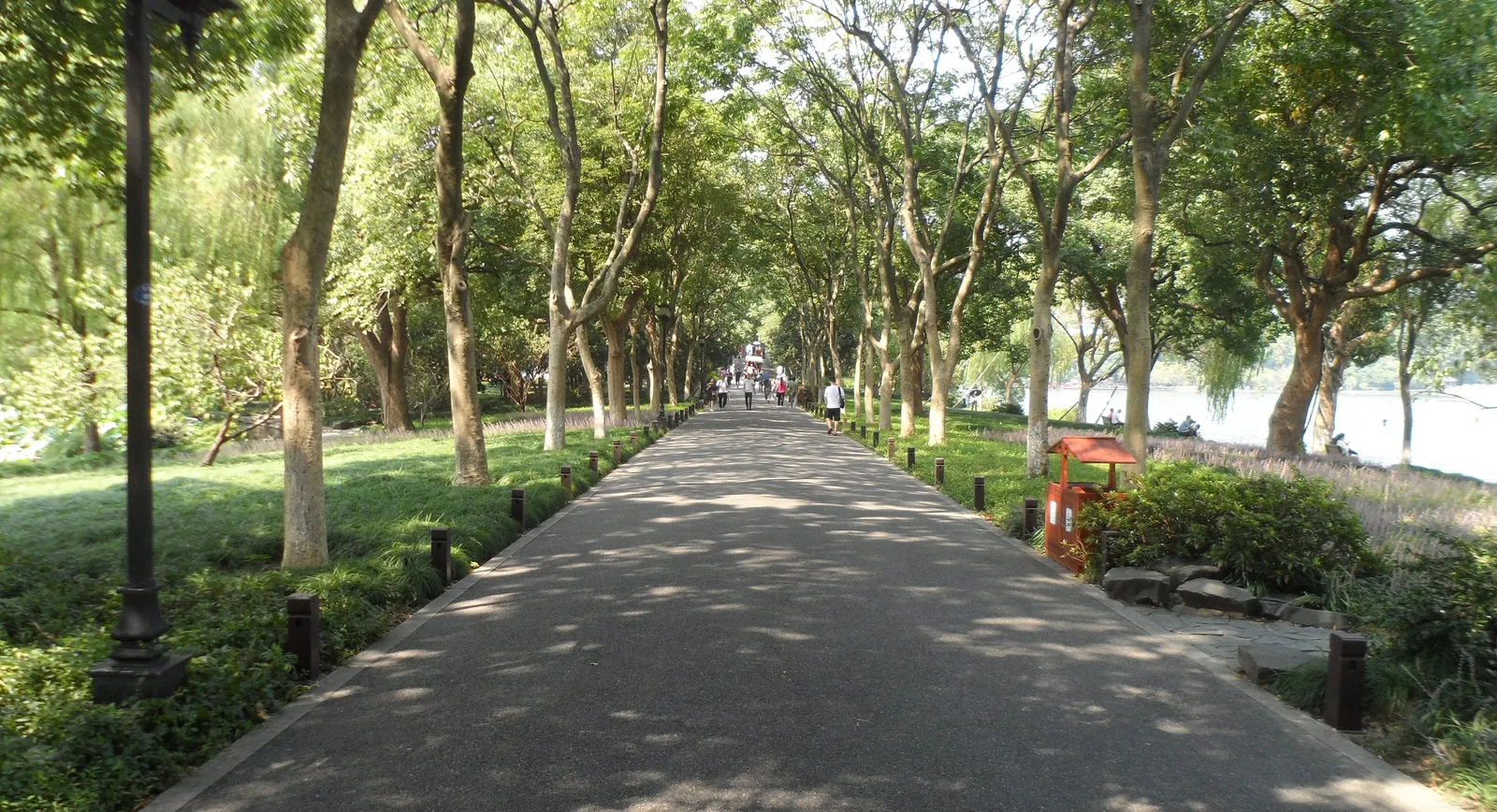
Many cities have a statue of a poet. Hangzhou has a poet’s road across the water: the Su Causeway, almost three kilometres of willows and peach trees crossing West Lake from south to north. And on almost every restaurant menu in the city there is a dish that carries the same man’s name.
An official who wrote poems
Su Shi (1037–1101), better known as Su Dongpo, is one of the greatest writers China has produced: poet, essayist, calligrapher and painter. Like most scholars of the Song dynasty, he made his living as an official. He passed the highest imperial examination in 1057, at the age of 20, and spent his life moving from post to post across the empire. Hangzhou received him twice: from 1071 to 1074 as vice-prefect, and from 1089 to 1091 as prefect, the city’s top official.
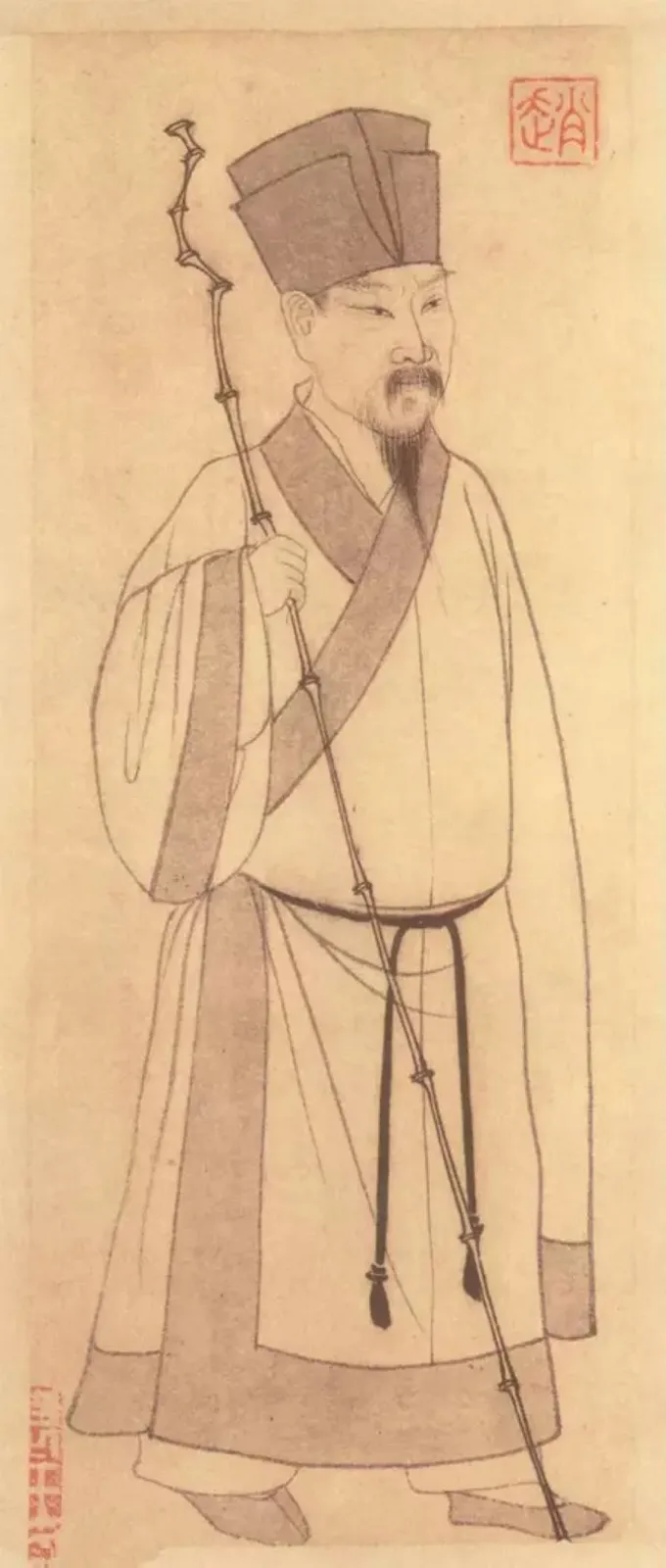
During his first stay he wrote a short poem that Chinese readers still know by heart. It compares West Lake to Xi Shi, a legendary beauty of ancient times: the lake is lovely in sunshine and lovely in rain, just as she was lovely with light make-up or with heavy. Ever since, the lake has also been called Xizi Lake, “the lake of Lady Xi”.
Between the two stays came disaster. In 1079 some of his poems were read as attacks on government policy, and after a famous trial he was banished to Huangzhou, a small town on the Yangtze, in 1080. Short of money, he farmed a plot of land on a slope east of the town, the “eastern slope”, Dongpo in Chinese, and began to call himself Dongpo Jushi, the Layman of the Eastern Slope. Remember that slope. It comes back in the kitchen.
Saving the lake
When Su Shi returned to Hangzhou in 1089, the lake he loved was choking. Silt and floating mats of water weeds had spread across much of it, and the water that fed the city’s wells, fields and canals was shrinking. In 1090 he wrote to the throne asking for the lake to be restored, with a line that every Hangzhou guide still quotes: Hangzhou having West Lake is like a person having eyebrows and eyes; it cannot be given up. To pay for the work he asked the court for monks’ ordination certificates, which the state could sell to raise money.
Work began that spring and was done by autumn. Accounts speak of some 200,000 labourers. The dredged mud and weeds had to go somewhere, so he had them piled into a long bank across the lake, with six bridges so that boats could still pass. People called it Lord Su’s Causeway. He also set three small stone pagodas in the water to mark the area where no one was allowed to plant water crops; the three that stand there today are later replacements, known as Three Pools Mirroring the Moon. By the Southern Song dynasty, “Spring Dawn on the Su Causeway” headed the list of the Ten Scenes of West Lake, and in 2011 the whole lake landscape became a UNESCO World Heritage site.
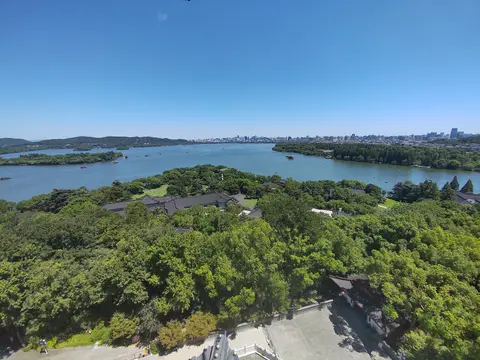 Sight in HangzhouWest Lake 西湖Hangzhou’s famous lake, ringed by hills, pagodas and willow-lined causeways. A UNESCO World Heritage site.
A dish with his name
Now the pork. Su Shi really did write about pork. In Huangzhou he wrote a light, joking verse, often called the “Ode to Pork”: the pork of Huangzhou is excellent and cheap as dirt, the rich won’t eat it and the poor don’t know how to cook it; use a slow fire and little water, don’t hurry it, and when the heat has done its work it becomes delicious on its own.
Dongpo pork as Hangzhou serves it follows that advice: thick squares of pork belly, often tied with straw, braised for hours with Shaoxing wine, soy sauce and sugar until the fat trembles and the skin shines.
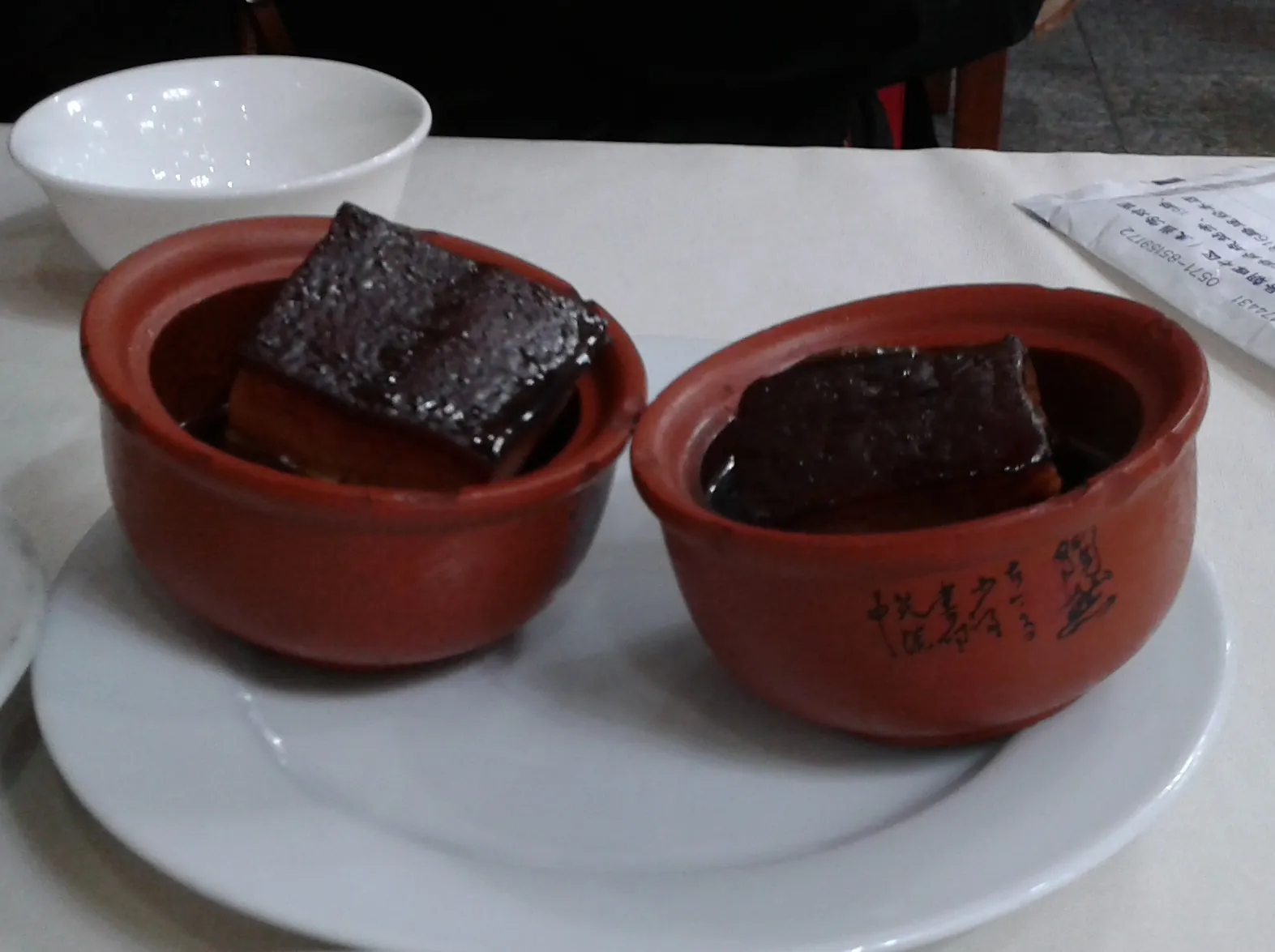
How the dish got its name is a popular tradition, and the stories vary. The best known in Hangzhou says that after the dredging, grateful citizens brought the prefect pork and wine for the New Year. He had the meat cut into squares, braised red and sent to the workers on the lake, and people called it Dongpo’s pork. In another telling he asked for the wine to be sent along with the meat, the cook understood that the pork should be cooked with the wine, and the mistake turned out delicious. Xuzhou and Huangzhou, where he also served, have their own versions. No document from his lifetime shows him inventing this exact dish, but the poem is real, and so is Hangzhou’s affection for the governor who fed its workers.
Visiting today
Walk the Su Causeway early in the morning, when joggers and tai chi groups have it mostly to themselves, and count the six bridges from south to north. Near the southern end, a small memorial hall tells the story of Su Dongpo’s life. Then sit down for lunch in one of the city’s old restaurants and order Dongpo pork, usually served one square per person. Plan the walk on the West Lake page, and find more in Hangzhou.
Places in this story
Sources
- Hangzhou News: Su Shi and Hangzhou, a thousand-year encounter (Chinese) (hznews.hangzhou.com.cn)
- China Online Museum: Su Shi (comuseum.com)
- China Federation of Literary and Art Circles: the stories behind Dongpo pork (Chinese) (cflac.org.cn)
- Wikipedia: Su Shi (secondary) (en.wikipedia.org)
- Wikipedia: Dongpo pork (secondary) (en.wikipedia.org)
Legends are told as legends. Where historians disagree, we say so.
More stories
 HistoryThe well that found an armyIn 1974 farmers digging a well near Xi’an hit pieces of clay. They had found the First Emperor’s army, and the tomb it guards is still sealed.
 LegendsThe White Snake and Leifeng PagodaA snake spirit in love, a monk who stood in her way, and a real pagoda on West Lake that fell in 1924 and rose again.
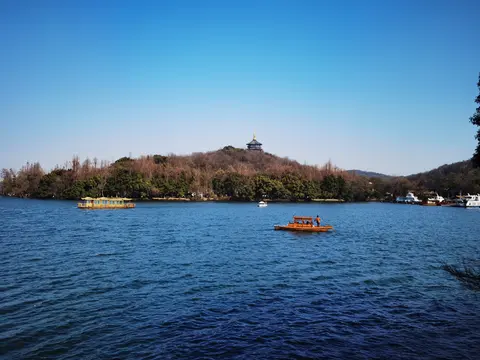 Travelers of the pastMarco Polo’s City of HeavenIn the 13th century a Venetian called Hangzhou the finest city in the world. What did he really see, and what is still there at West Lake?