
Imperial examination
科举制度Kējǔ Zhìdù
China’s long-running written examination system for selecting government officials, rooted in the classics and abolished in 1905.
China’s imperial examination system selected officials through written tests rather than hereditary appointment alone. It developed under the Sui and Tang dynasties and remained central through the late imperial period until its abolition in 1905. Candidates studied the Confucian classics and wrote in prescribed forms; success could bring office and prestige, but years of preparation still favored families with education and resources. In Nanjing, the former Jiangnan Examination Hall shows the testing cells, while Beijing’s Confucius Temple and Imperial Academy preserve steles naming successful candidates.
Also known as: Keju · Chinese imperial examination
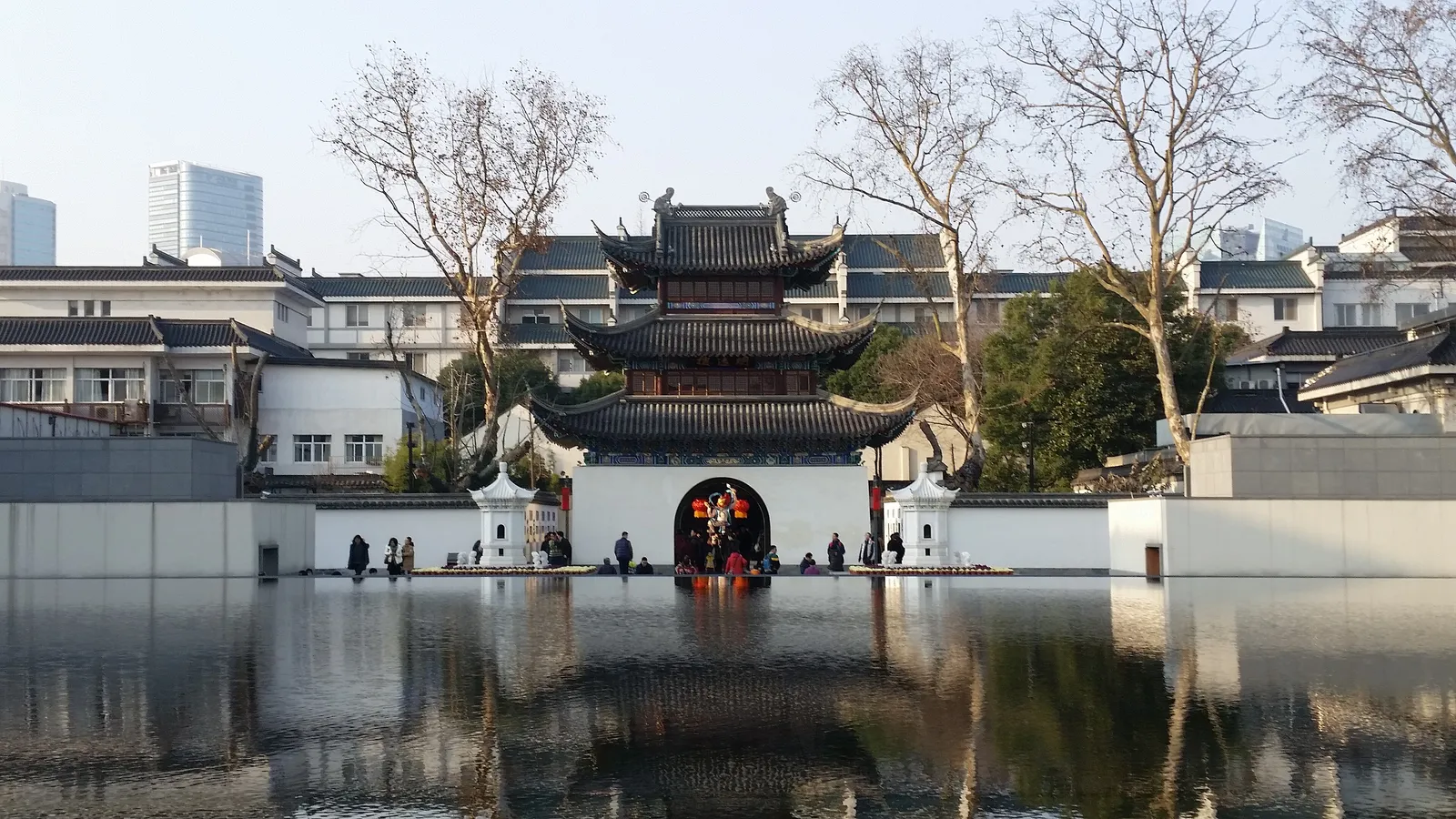
Where to see it in China
 NanjingChina Imperial Examination Museum (Jiangnan Examination Hall) 中国科举博物馆(江南贡院)Walk through the former Jiangnan Examination Hall site and see how candidates sat in individual testing cells.
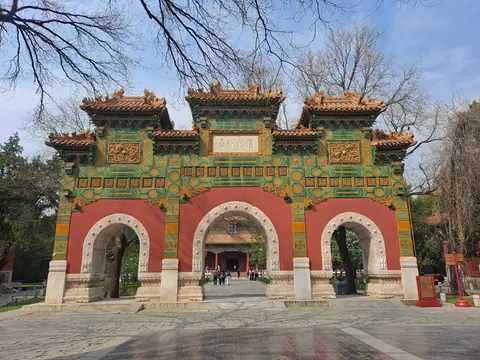 BeijingConfucius Temple and Imperial Academy 孔庙和国子监博物馆See the state academy and the stone steles that record the names of successful metropolitan examination candidates.
Where we mention it
Related entries
Sources
- Imperial Examination Museum of Chinese Imperial Examination System — Jiading Government (english.jiading.gov.cn)
- The Imperial Examination System teaching kit — Hong Kong Museum of History (hk.history.museum)
- Golden lists from imperial examinations — The State Council of the PRC (english.www.gov.cn)