
Qing dynasty
清朝Qīngcháo1644–1912
China’s last imperial dynasty (1644–1912), founded by the Manchus, whose palaces and gardens fill Beijing, Shenyang and Chengde.
The Qing was founded by the Manchus, a people from the north-east: Nurhaci united their tribes, and his son Hong Taiji proclaimed the Qing dynasty in 1636 at Mukden (today’s Shenyang). In 1644 Qing armies entered Beijing, which remained the capital until the end, and the court moved into the Forbidden City built by the Ming. Under the long reigns of the Kangxi, Yongzheng and Qianlong emperors in the 17th and 18th centuries the empire reached its greatest size and population, and the court built palaces, gardens and temples on a grand scale. The 19th century brought foreign wars and large internal rebellions, and in 1912 the last emperor, the child Puyi, abdicated, ending more than two thousand years of imperial rule. The Forbidden City, the Summer Palace and the summer resort at Chengde all show the Qing court’s world much as it looked.
Also known as: Ch’ing dynasty · Manchu dynasty
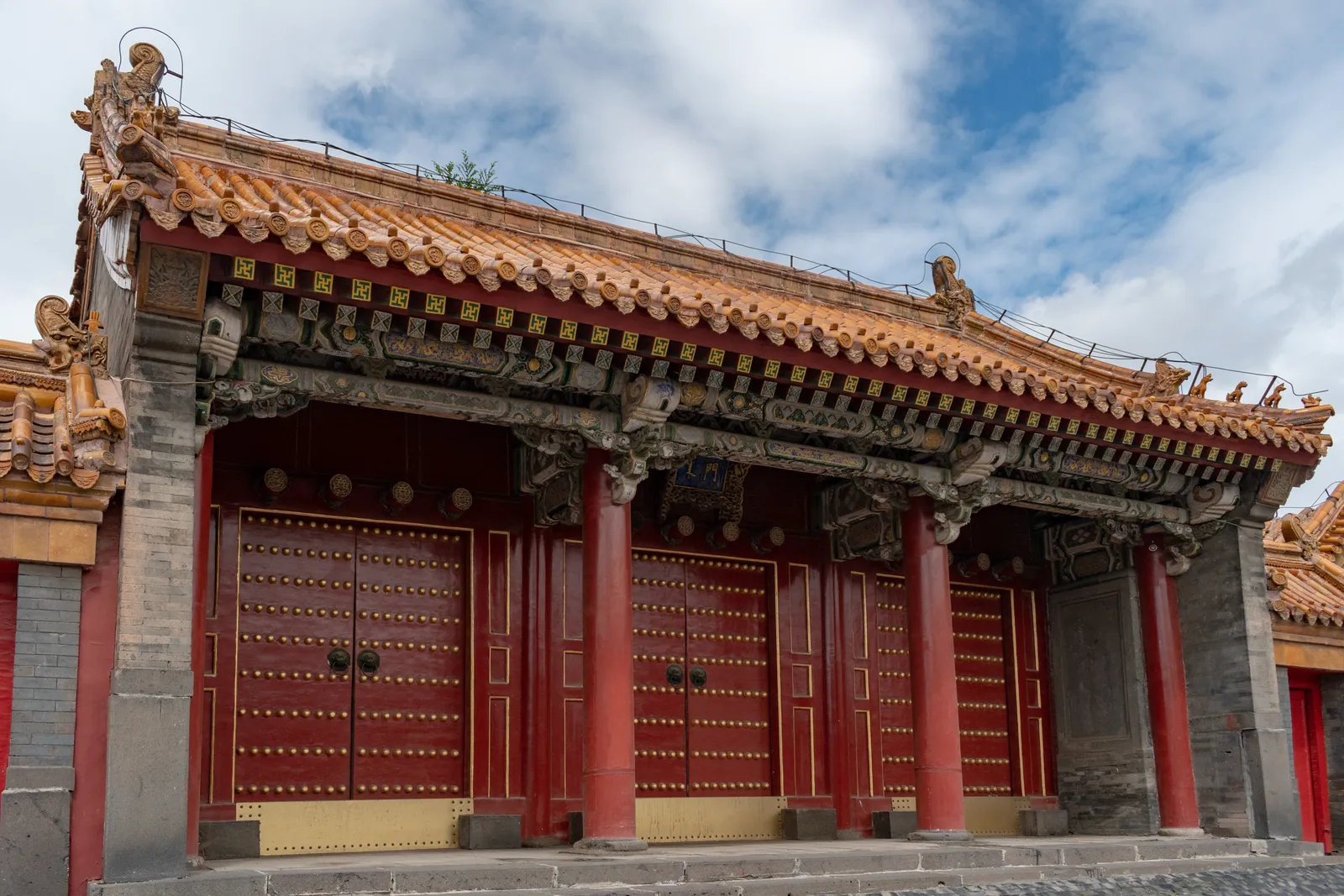
Where to see it in China
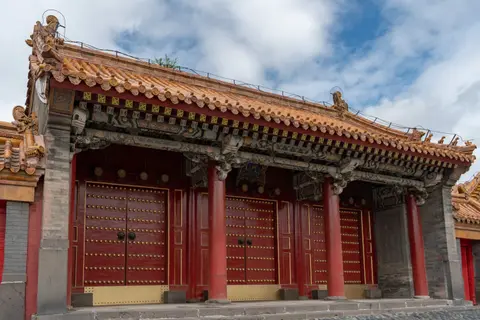 ShenyangShenyang Imperial Palace (Mukden Palace) 沈阳故宫The palace of the early Qing rulers, built from 1625 before they moved to Beijing.
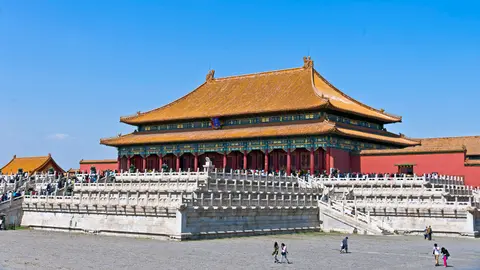 BeijingForbidden City (Palace Museum) 故宫博物院The Ming palace that Qing emperors lived and ruled in from 1644 to 1912.
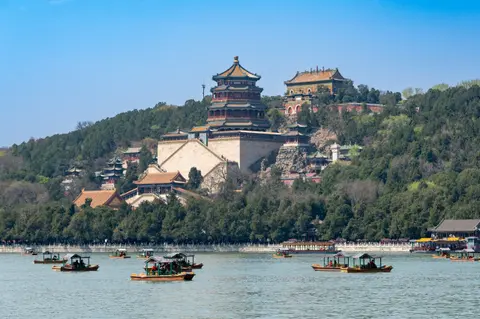 BeijingSummer Palace 颐和园A Qing imperial garden around Kunming Lake and Longevity Hill.
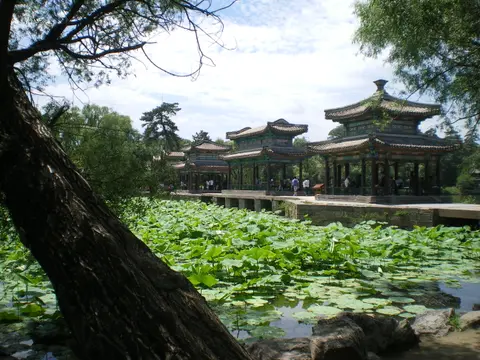 ChengdeChengde Mountain Resort 避暑山庄The Qing emperors’ summer capital, the largest surviving imperial garden in China.
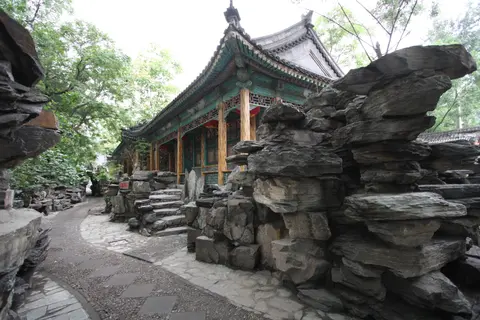 BeijingPrince Gong’s Mansion 恭王府博物馆The best-preserved Qing prince’s residence in Beijing, with courtyards, a garden and an opera house.
Where we mention it
Related entries
Sources
- Qing dynasty — Encyclopaedia Britannica (britannica.com)
- Imperial Palaces of the Ming and Qing Dynasties in Beijing and Shenyang — UNESCO World Heritage Centre (whc.unesco.org)
- Mountain Resort and its Outlying Temples, Chengde — UNESCO World Heritage Centre (whc.unesco.org)
- Qing dynasty — Wikipedia (en.wikipedia.org)