
Peking opera
京剧jīngjù
China’s best-known stage art, born in Beijing around 1800: singing, acting and acrobatics with painted faces and lavish costumes.
Peking opera (jingju) is China’s best-known stage art, combining singing, speech, acting and acrobatic fighting with lavish costumes and painted faces. It took shape in Beijing from the late 18th century, after opera troupes from Anhui arrived in 1790 for the Qianlong Emperor’s 80th birthday and blended their music with tunes from Hubei and other regions. Roles fall into four main types: sheng (men), dan (women), jing (painted-face characters) and chou (clowns), and for most of its history men played the female roles. The stage is almost bare, so a whip stands for a horse and walking a circle for a long journey, while face colours hint at character, red often for loyalty and white for cunning. The Qing court loved it, Empress Dowager Cixi among its keenest patrons, and UNESCO listed Peking opera as intangible cultural heritage in 2010. It is not the same as Sichuan opera, a separate regional style famous for its lightning-fast face-changing, which you can see in Chengdu.
Also known as: Beijing opera · Jingju
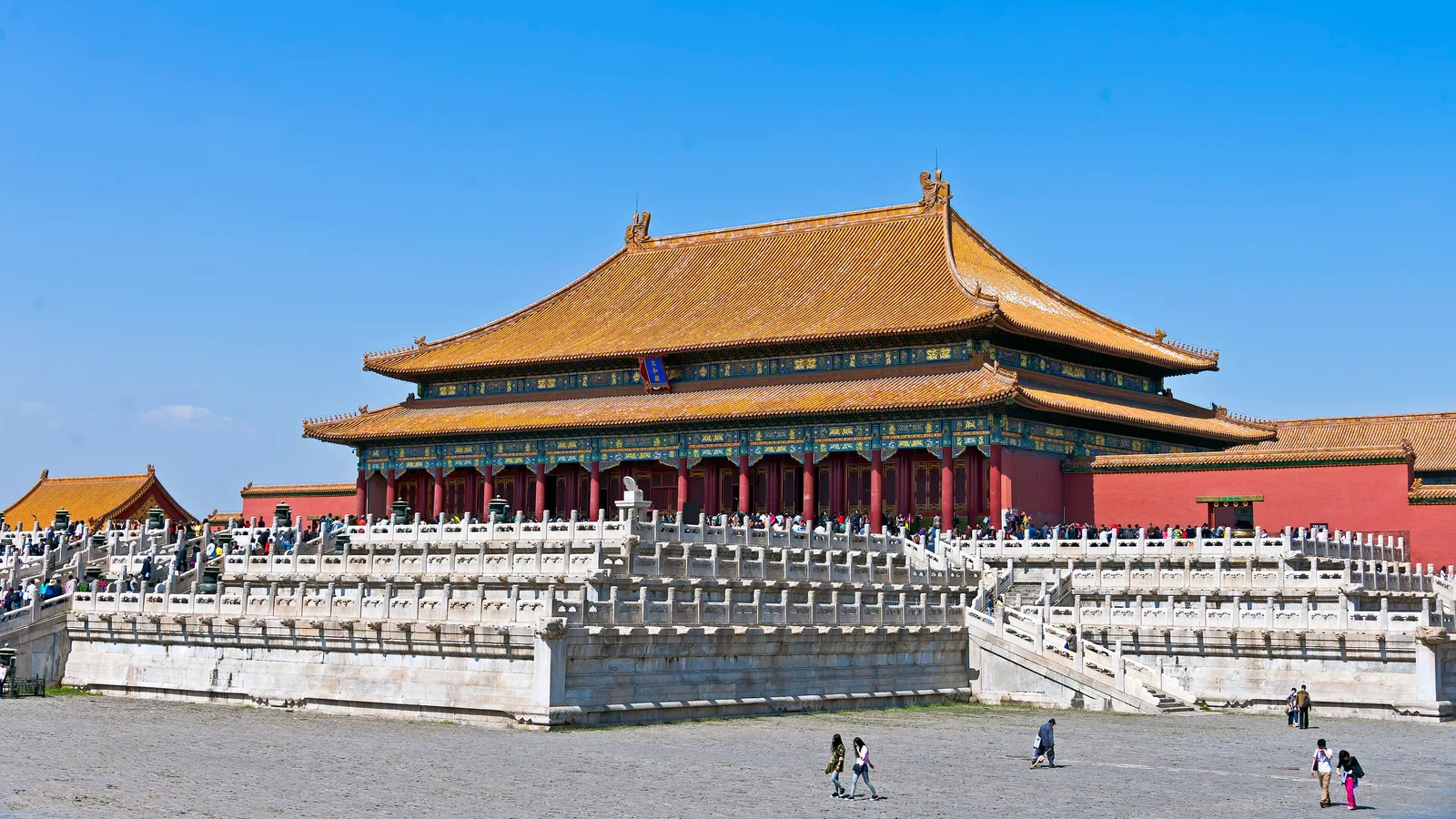
Where to see it in China
 BeijingForbidden City (Palace Museum) 故宫博物院The palace has the Pavilion of Pleasant Sounds, a three-storey imperial opera stage built under the Qianlong Emperor.
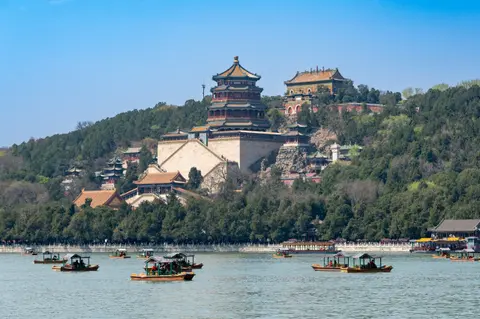 BeijingSummer Palace 颐和园Its Garden of Virtue and Harmony has the great three-storey theatre where Empress Dowager Cixi watched opera.
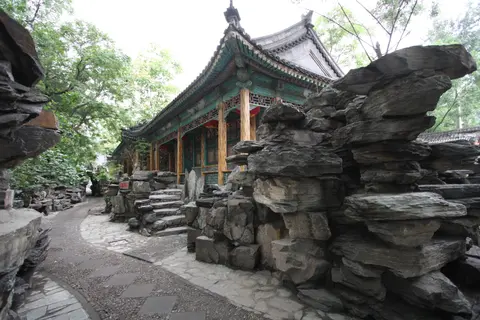 BeijingPrince Gong’s Mansion 恭王府博物馆A Qing prince’s mansion with a rare old wooden opera house.
Where we mention it
Related entries
Sources
- Peking opera — UNESCO Intangible Cultural Heritage (ich.unesco.org)
- Jingxi (Peking opera) — Encyclopaedia Britannica (britannica.com)
- Peking opera — Wikipedia (en.wikipedia.org)