
Confucius
孔子Kǒngzǐ551–479 BC (traditional dates)
The teacher and thinker of the 6th–5th centuries BC whose ideas on virtue, family and learning shaped Chinese society; nearly every old city has his temple.
Confucius, known in Chinese as Kongzi (“Master Kong”), was a teacher and thinker from the small state of Lu, in today’s Shandong province, who lived about 2,500 years ago. He taught that good government and a good life grow from personal virtue, respect within the family, proper ritual and constant study, and his followers collected his sayings in the Analects. From the Han dynasty onward his teachings became the foundation of state ideology and education, and for many centuries officials were chosen through examinations on the Confucian classics, until these were abolished in 1905. Almost every old Chinese city had a Confucius temple, often with a school beside it, where scholars honoured him in the main Dacheng Hall (“Hall of Great Achievement”). The largest is in his hometown, Qufu, where his temple, his family’s mansion and his cemetery are a UNESCO World Heritage Site.
Also known as: Kongzi · Kong Fuzi · Kong Qiu
Where to see it in China
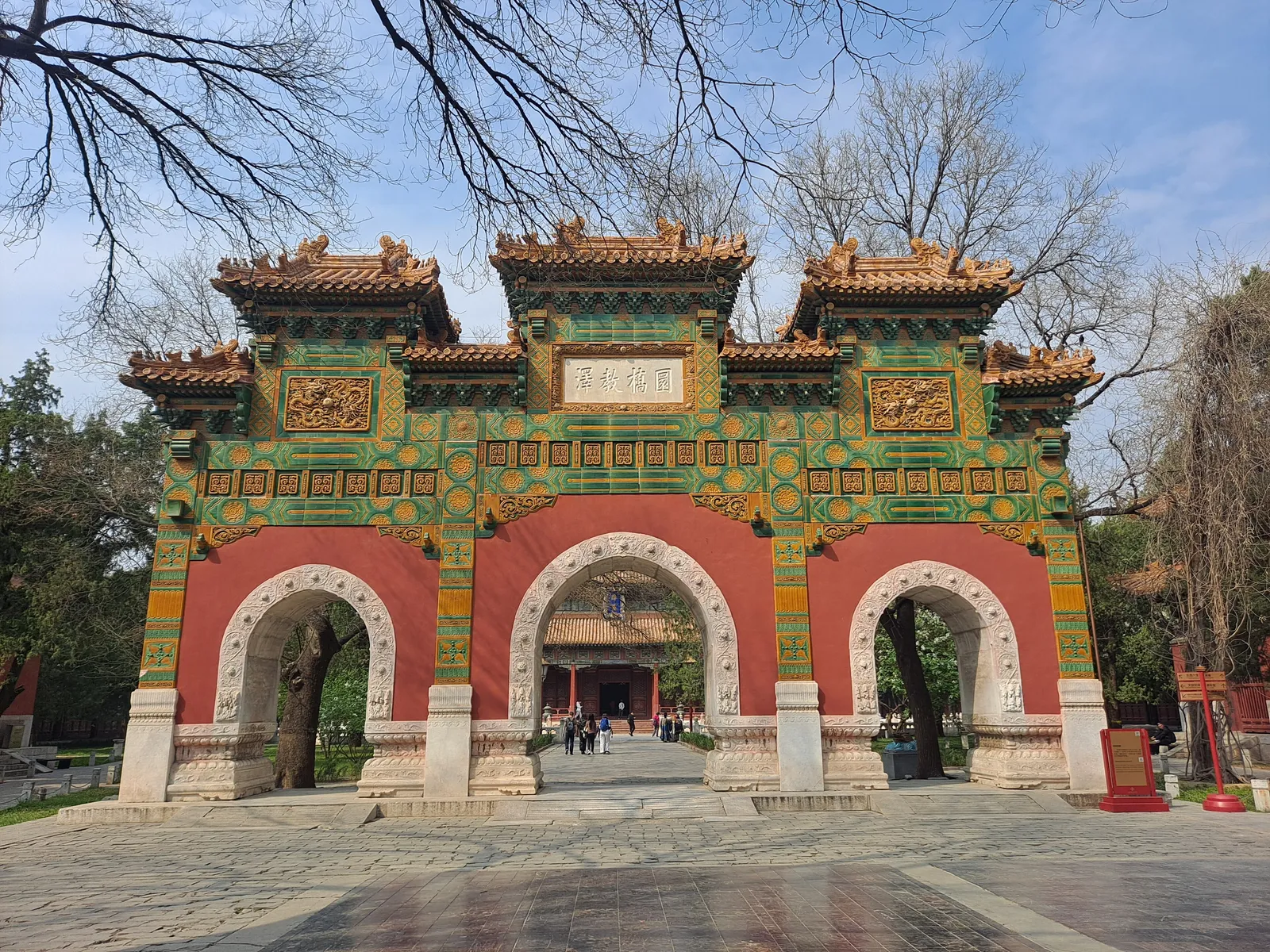
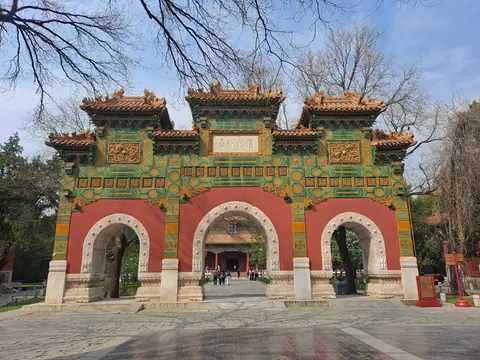 BeijingConfucius Temple and Imperial Academy 孔庙和国子监博物馆The imperial Confucius temple, beside the empire’s highest school and stone tablets naming centuries of exam graduates.
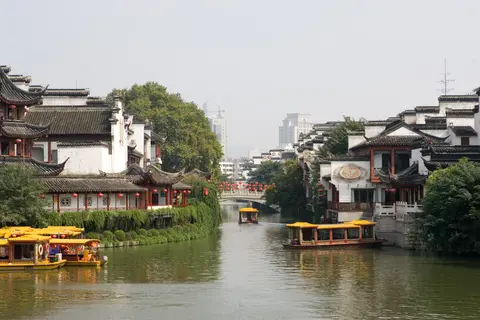 NanjingConfucius Temple and Qinhuai River 夫子庙·秦淮河Fuzimiao, the “Temple of the Master”, at the heart of old Nanjing, beside the former imperial examination hall.
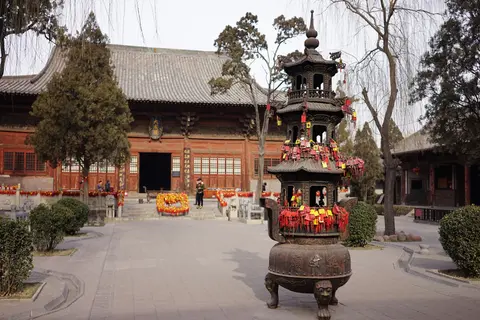 PingyaoPingyao Confucius Temple 平遥文庙A county Confucius temple whose Dacheng Hall, rebuilt in 1163, is the only Jin-dynasty main hall left in any Confucius temple in China.
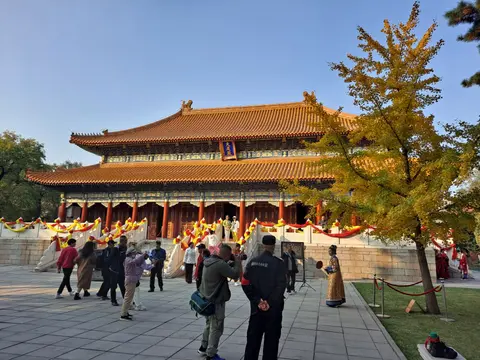 HarbinHarbin Confucius Temple 哈尔滨文庙(黑龙江省民族博物馆)Northeast China’s largest Confucius temple, completed in 1929 in traditional Qing style.
Where we mention it
Related entries
Sources
- Confucius — Wikipedia (en.wikipedia.org)
- Confucius — Encyclopaedia Britannica (britannica.com)
- Temple and Cemetery of Confucius and the Kong Family Mansion in Qufu — UNESCO World Heritage Centre (whc.unesco.org)