
Calligraphy
书法shūfǎ
The art of writing Chinese characters with brush and ink, long ranked among China’s highest arts and still practised everywhere.
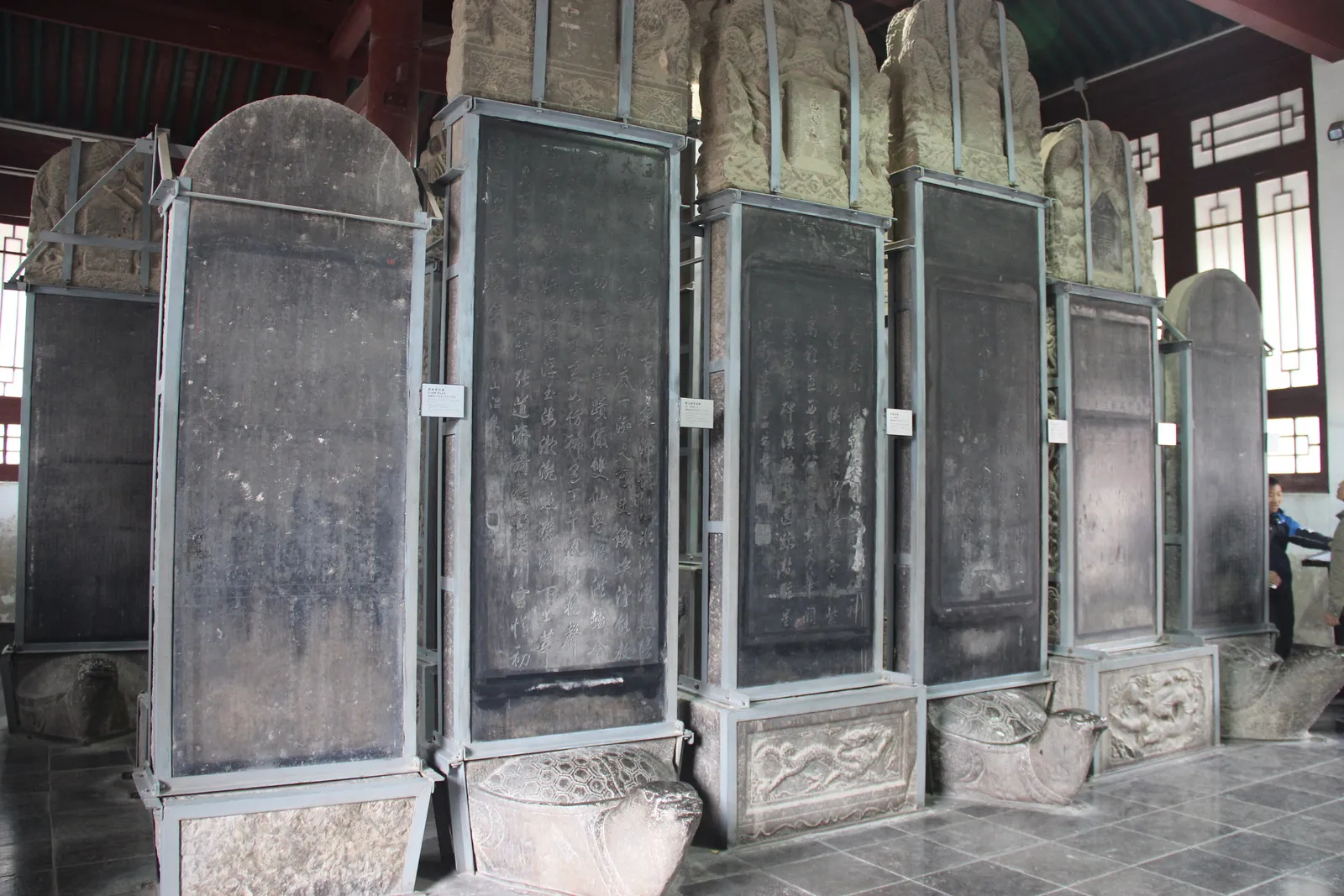
Calligraphy, the art of writing Chinese characters with brush and ink, has long been ranked among China’s highest arts, traditionally even above painting. Its tools, brush, ink, paper and inkstone, are called the “Four Treasures of the Study”, and over the centuries the characters developed into five main styles: seal, clerical, regular, running and cursive script. A fine hand was the mark of an educated scholar or official, and masters such as Wang Xizhi of the 4th century, revered as the “Sage of Calligraphy”, are still copied by students today. Famous works were carved into stone so that ink rubbings could be taken, which is why collections like the Forest of Stone Steles in Xi’an draw calligraphy lovers from all over the world. You will see it everywhere, on temple boards, shop signs and cliff faces, and in many parks retirees practise with giant brushes dipped in water on the pavement; UNESCO listed Chinese calligraphy as intangible cultural heritage in 2009.
Also known as: Shufa
Where to see it in China
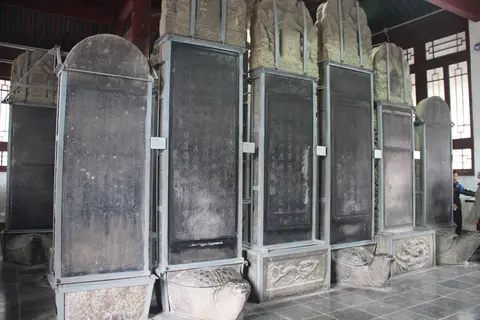 Xi'anBeilin Museum (Forest of Stone Steles) 西安碑林博物馆The Forest of Stone Steles: halls of carved tablets with masterpieces of calligraphy; Shuyuanmen street outside sells brushes and ink.
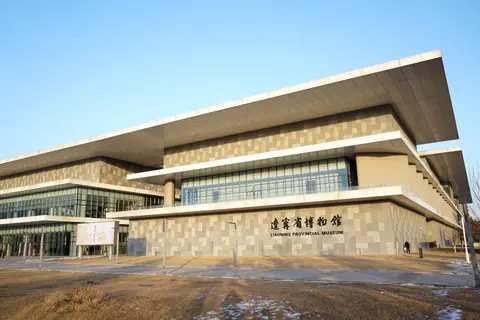 ShenyangLiaoning Provincial Museum 辽宁省博物馆One of China’s great collections of ancient painting and calligraphy, shown in rotating exhibitions.
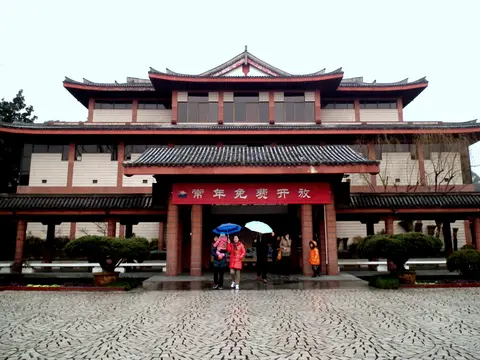 HangzhouZhejiang Provincial Museum (Solitary Hill) 浙江省博物馆孤山馆区A free museum on West Lake with calligraphy, celadon and a Qing imperial library.
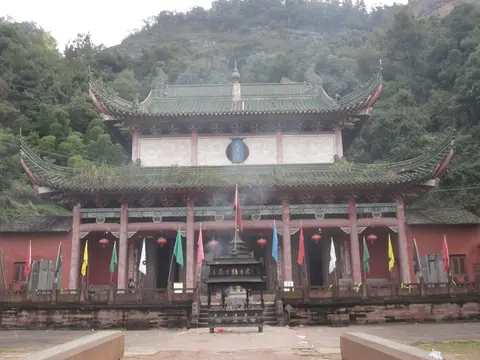 HuangshanMount Qiyun 齐云山A Taoist mountain whose red sandstone cliffs are carved with inscriptions in many hands and styles.
Where we mention it
Related entries
Sources
- Chinese calligraphy — UNESCO Intangible Cultural Heritage (ich.unesco.org)
- Chinese calligraphy — Encyclopaedia Britannica (britannica.com)
- Chinese calligraphy — Wikipedia (en.wikipedia.org)