
Shanghai in 3 days: a practical itinerary
The Bund, Yu Garden, Shanghai Museum East, Lujiazui and the old French Concession in three days, with closing days, metro stops and booking tips.

Three days is enough to see the best of Shanghai without rushing: the old riverfront, a classical garden, one of the world’s great collections of Chinese art, the skyscrapers of Pudong and the leafy streets of the former French Concession. The one thing that can spoil the plan is a closed door, so check the weekday before you fix the order.
Before you start: closing days
- Yu Garden is closed on Mondays (except public holidays). Open 09:00–16:30, last entry 16:00.
- Shanghai Museum, People’s Square is closed on Mondays (except national holidays). Open 09:00–17:00, last entry 15:00.
- Shanghai Museum East in Pudong is closed on Tuesdays (except national holidays). Open 10:00–18:00, last entry 17:00.
So Day 2 below works best from Wednesday to Sunday. If you land on a Monday, do Day 3 first. Carry your passport every day: museums, towers and ticketed sights check it at the gate.
Arriving and getting around
From Pudong Airport (PVG) the fastest way in is the Maglev: 8 minutes to Longyang Road for ¥50 (¥40 with a same-day air ticket), running roughly 06:45–21:40. At Longyang Road change to Metro Line 2 for People’s Square and East Nanjing Road. The cheapest option is Line 2 all the way from the airport, about 60–75 minutes for ¥7–8. From Hongqiao Airport or railway station, Line 2 also runs straight to the centre in 35–45 minutes.
The metro reaches everything in this plan. Since June 2025 you can tap a contactless Visa, Mastercard, American Express, JCB or UnionPay card at the gates on every line, or use the ride code in Alipay or WeChat. The Maglev sells its own tickets. More in using the metro in China.
Day 1: People’s Square, Nanjing Road and the Bund
Start at People’s Square (Lines 1, 2 and 8). The Shanghai Museum building here is currently devoted to a single paid exhibition on the ancient civilisations of the Americas, running until 14 November 2027. Tickets are sold through the museum’s WeChat mini-program, Trip.com and a ticket desk on site; enter by the south gate with your passport. The Chinese bronzes, ceramics and paintings are shown at the East building, which is on Day 2.
After lunch, walk East Nanjing Road, the pedestrian shopping street, for about 20 minutes east to the river. Time it so you reach the Bund at dusk: you see the 1920s bank buildings in daylight, then the Pudong skyline lighting up. The promenade is free and open all day; building lights usually stay on until about 22:00. Expect big crowds on public holidays.
Day 2: Yu Garden, Museum East and Lujiazui
Be at Yu Garden at 09:00 (Yuyuan Garden station, Lines 10 and 14). Tickets are ¥40 in April–June and September–November, ¥30 in other months, sold at the north and south gates or on the garden’s official mini-program. By late morning the rockeries and pavilions are packed. The bazaar outside is touristy, but it is a fine place for soup dumplings.
Cross the river to Pudong (Line 14 runs from Yuyuan Garden to Lujiazui). Spend the afternoon at Shanghai Museum East, a short ride on Line 2 to Science and Technology Museum station, Exit 8. Entry is free and individual visitors do not need to book; bring your passport. Its permanent galleries cover bronzes, sculpture, ceramics, jade, calligraphy and painting. Allow two to three hours.
End the day on the 118th-floor deck of Shanghai Tower (Lujiazui, Line 2), about ¥180. Sunset slots sell out first, so buy ahead, and skip it on a hazy day. The Oriental Pearl Tower next door is the better one to photograph than to climb.
Day 3: French Concession, or a water town
Option A: the old French Concession. Take Line 10 to Shanghai Library and wander Wukang Road under the plane trees, past 1920s–30s villas and the Wukang Mansion. A shared bike is ideal for Anfu and Fuxing roads. In the afternoon, head to Tianzifang (Dapuqiao, Line 9), a maze of shikumen lane houses with small shops. People still live upstairs, so keep it quiet. If you have time, add the Jade Buddha Temple.
Option B: Zhujiajiao. Zhujiajiao water town is on Line 17, about an hour from Hongqiao. The town is free to enter; boats and some sights cost extra. Go on a weekday and step off the main street for quiet canals.
Other ways to spend a day
- [Shanghai Disneyland](/cities/shanghai/shanghai-disneyland) (Disney Resort, Line 11) needs a full day and a date-specific ticket in your passport name, from about ¥475 to ¥799 depending on the date.
- [Suzhou](/cities/suzhou) is 25–40 minutes by high-speed train, [Hangzhou](/cities/hangzhou) 45–60 minutes. Both make long day trips, but they are better with a night each: see our Shanghai, Suzhou and Hangzhou in 7 days route.
Practical tips
- Museum and exhibition rules change often. Check the official site a day or two before; our guide to booking museums in China explains how.
- Save the Chinese names of each stop. Every sight on our Shanghai page has a Chinese address you can show to a taxi driver.
- Avoid the metro with luggage at rush hour, roughly 07:30–09:30 and 17:00–19:30 on weekdays.
- Opening hours and prices here were checked in September 2026; confirm before you go, especially around holidays.
Sources
- Shanghai Museum: visiting Shanghai Museum East (shanghaimuseum.net)
- Shanghai Museum: visiting the People’s Square building (shanghaimuseum.net)
- Shanghai Museum: Ancient Civilizations of the Americas exhibition tickets (shanghaimuseum.net)
- Yu Garden: visitor information (yugarden.com.cn)
- Shanghai government: Tap to Ride on the entire metro network (english.shanghai.gov.cn)
Checked against these sources on 2026-09-27. Rules change often, so confirm on the official site before you go.
Read next
More on Planning
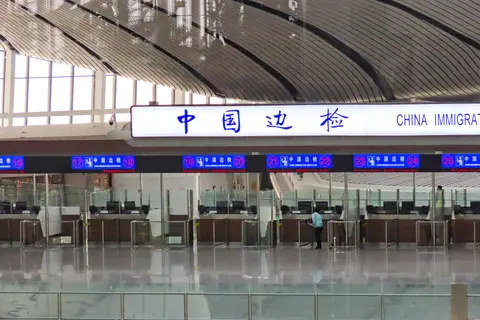 China visa-free countries: who gets 30 days without a visa (2026)78 passports can enter China without a visa: 50 for 30 days until set end dates, 28 under permanent agreements. Who qualifies and what to carry.
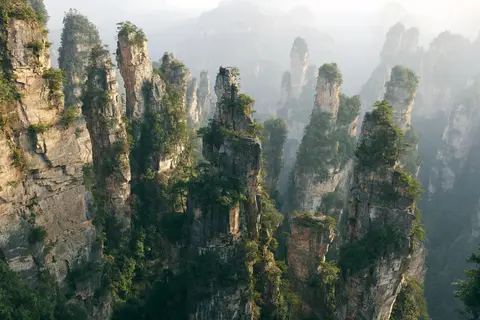 How many days in China? What fits in 7, 10 and 14 daysTen days is the sweet spot for a first trip. What you can realistically see in one week, ten days or two weeks, and how visa rules cap your stay.
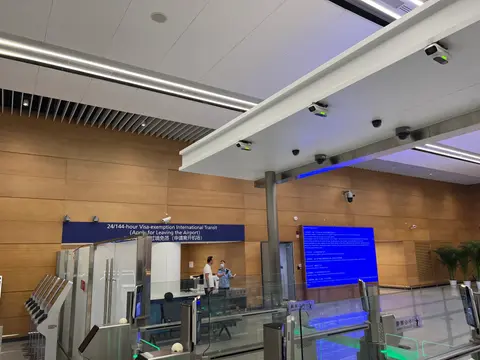 240-hour visa-free transit in China: how it works (2026)Up to 10 days in China without a visa if you fly on to a third country. Eligible passports, ports, allowed areas and the mistakes that get people refused.