
Dongba script
东巴文字Dōngbā wén
The picture writing of the Naxi people of Lijiang, used by dongba ritual specialists to record their sacred texts.
The Dongba script is the picture writing of the Naxi people of Lijiang in Yunnan, named after the dongba, the ritual specialists who used it to write down their religious texts. Its signs, more than a thousand of them, are small drawings of people, animals, plants and objects, and they work largely as a memory aid: a dongba reads a manuscript by chanting a text he has learned by heart. How and when the script began is uncertain, and Naxi tradition tells its origin as a sacred legend. The handwritten books on handmade paper record myths, rituals and divination, and in 2003 UNESCO added the Ancient Naxi Dongba Literature Manuscripts to its Memory of the World register. Only a few masters can still read the scriptures fully, but the lively pictographs are everywhere in Lijiang, on shop signs and souvenirs and in courtyards where you can learn to write your own name.
Also known as: Tomba script
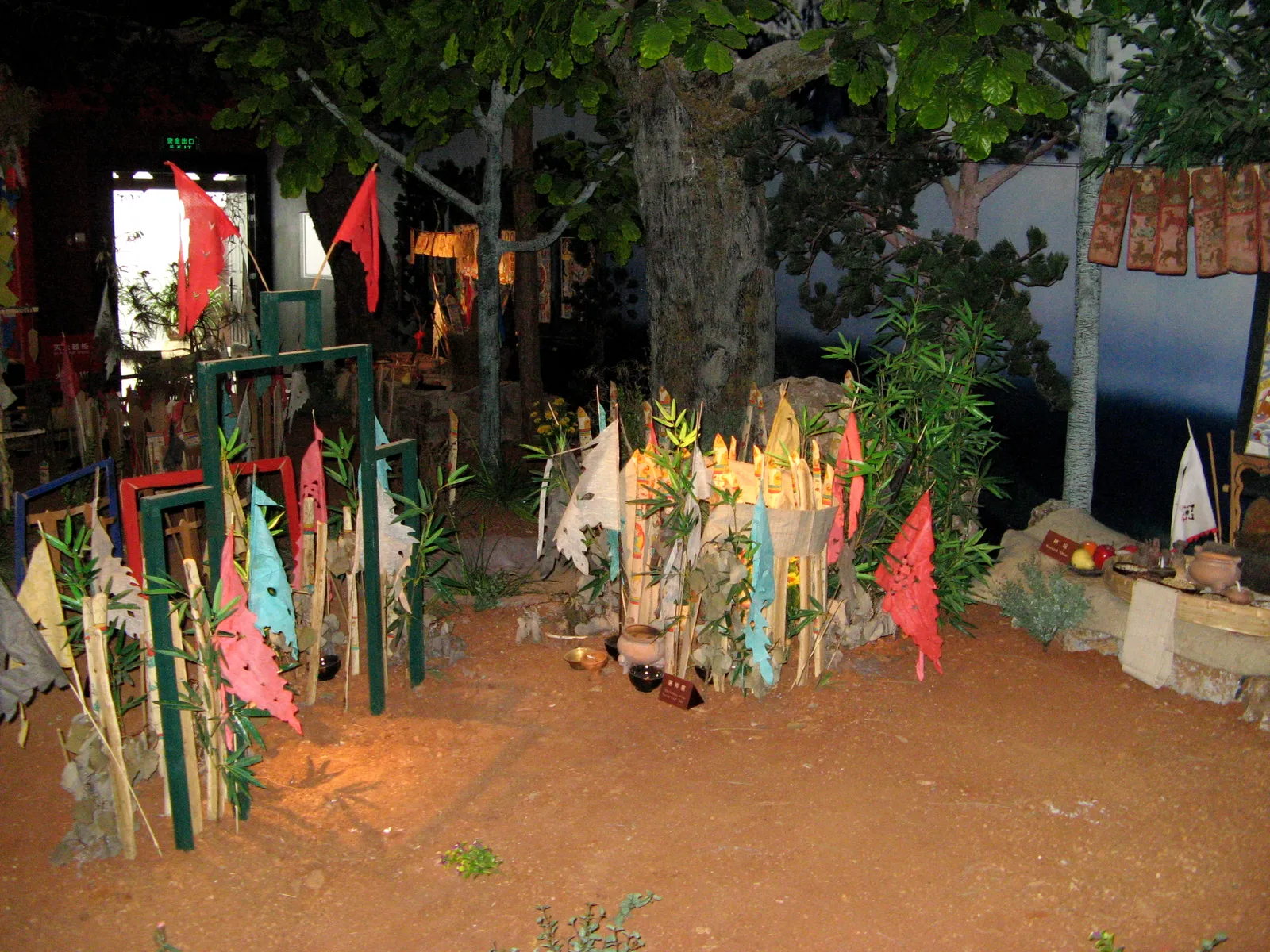
Where to see it in China
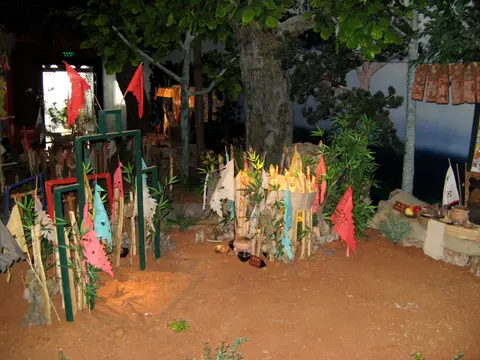 LijiangLijiang Museum (Dongba Culture Museum) 丽江市博物院(东巴文化博物馆)The Dongba Culture Museum, free, on Naxi life and the Dongba script.
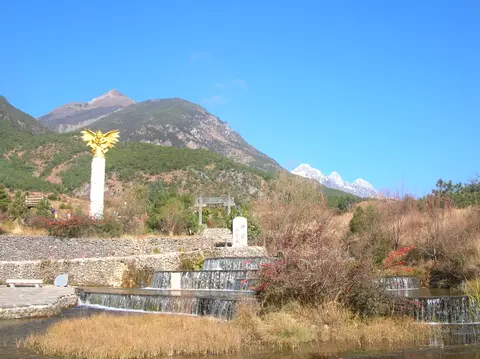 LijiangYushuizhai (Jade Water Village) 玉水寨A holy site of Dongba culture with shrines; in the Dongba courtyard you can have your name written in pictographs.
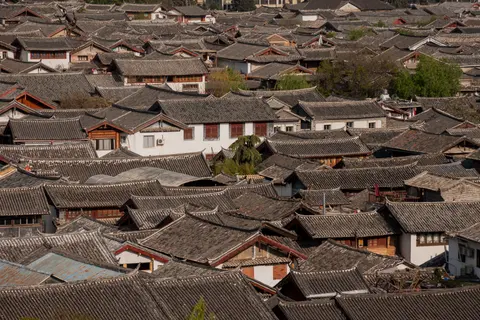 LijiangLijiang Old Town (Dayan) 丽江古城(大研古城)Look for Dongba pictographs on shop signs, wooden plaques and souvenirs all over the old lanes.
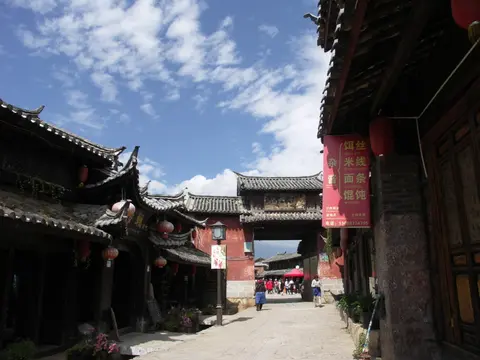 LijiangBaisha village and murals 白沙古镇The old Naxi capital, whose Ming-era murals mix Buddhist, Taoist and Naxi art.
Related entries
Sources
- Ancient Naxi Dongba Literature Manuscripts — UNESCO Memory of the World (unesco.org)
- Old Town of Lijiang — UNESCO World Heritage Centre (whc.unesco.org)
- Dongba symbols — Wikipedia (en.wikipedia.org)