
Spring Festival
春节Chūnjié1st day of the 1st lunar month (between late January and mid-February); celebrations run to the Lantern Festival on the 15th day
Chinese New Year, the biggest holiday of the year: family reunions, red decorations and lanterns, and the world’s largest annual travel rush.
The Spring Festival marks the start of the year in the traditional Chinese lunisolar calendar and is the most important family holiday in China; each year is also linked to one of the twelve zodiac animals. Families gather for a big reunion dinner on New Year’s Eve, doors are pasted with red couplets and the character 福 (“fortune”), and elders give children red envelopes of money. Celebrations include temple fairs, lion dances and fireworks where they are allowed, and the season ends with lantern displays at the Lantern Festival on the 15th day. For travellers, the weeks around it bring chunyun, the roughly 40-day travel rush, when trains and flights sell out fast. During the official holiday big sights stay open but are crowded, while many small family shops and restaurants close for days; see our holiday travel article before you plan.
Also known as: Chunjie · Chinese New Year · Lunar New Year
Where to see it in China
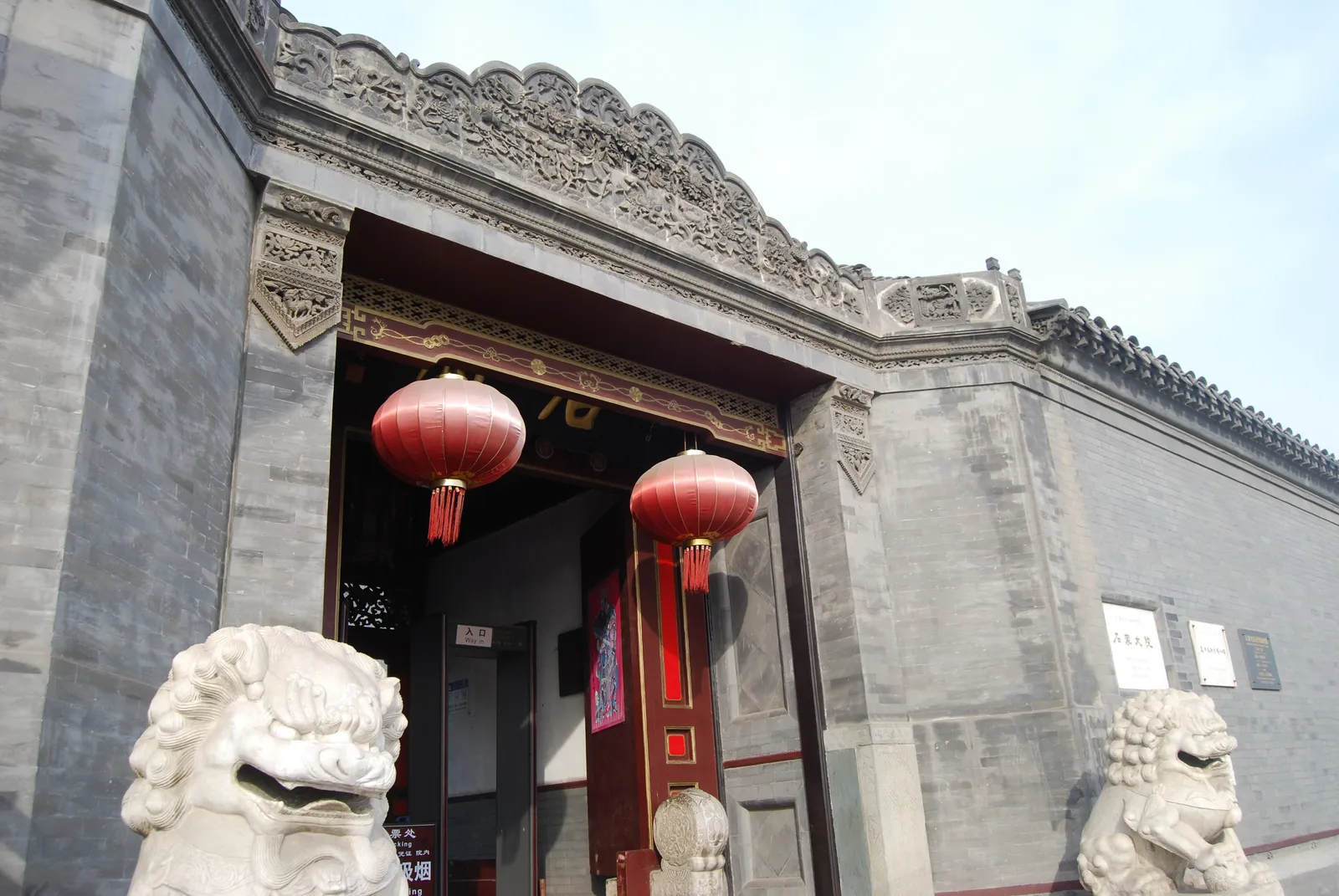
 TianjinShi Family Grand Courtyard (Yangliuqing) 石家大院A museum of Yangliuqing New Year woodblock prints, the colourful pictures traditionally pasted up for the festival.
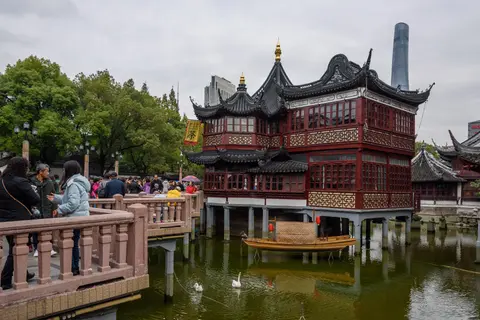 ShanghaiYu Garden 豫园The Yu Garden area hosts a large lantern show each year around New Year and the Lantern Festival; expect big crowds.City guideGuangzhou 广州Guangzhou is famous for its New Year flower fairs, street markets of blossoms and kumquat trees in the days before the festival.
Where we mention it
Related entries
Sources
- Spring festival, social practices of the Chinese people in celebration of traditional new year — UNESCO Intangible Cultural Heritage (ich.unesco.org)
- The Lunar New Year: Rituals and Legends — Asia for Educators, Columbia University (afe.easia.columbia.edu)
- Chinese New Year — Wikipedia (en.wikipedia.org)