
China travel budget: realistic daily costs (2026)
What a day in China really costs in yuan, US dollars and euros: hotels, food, trains and tickets for budget, mid-range and comfort travel.
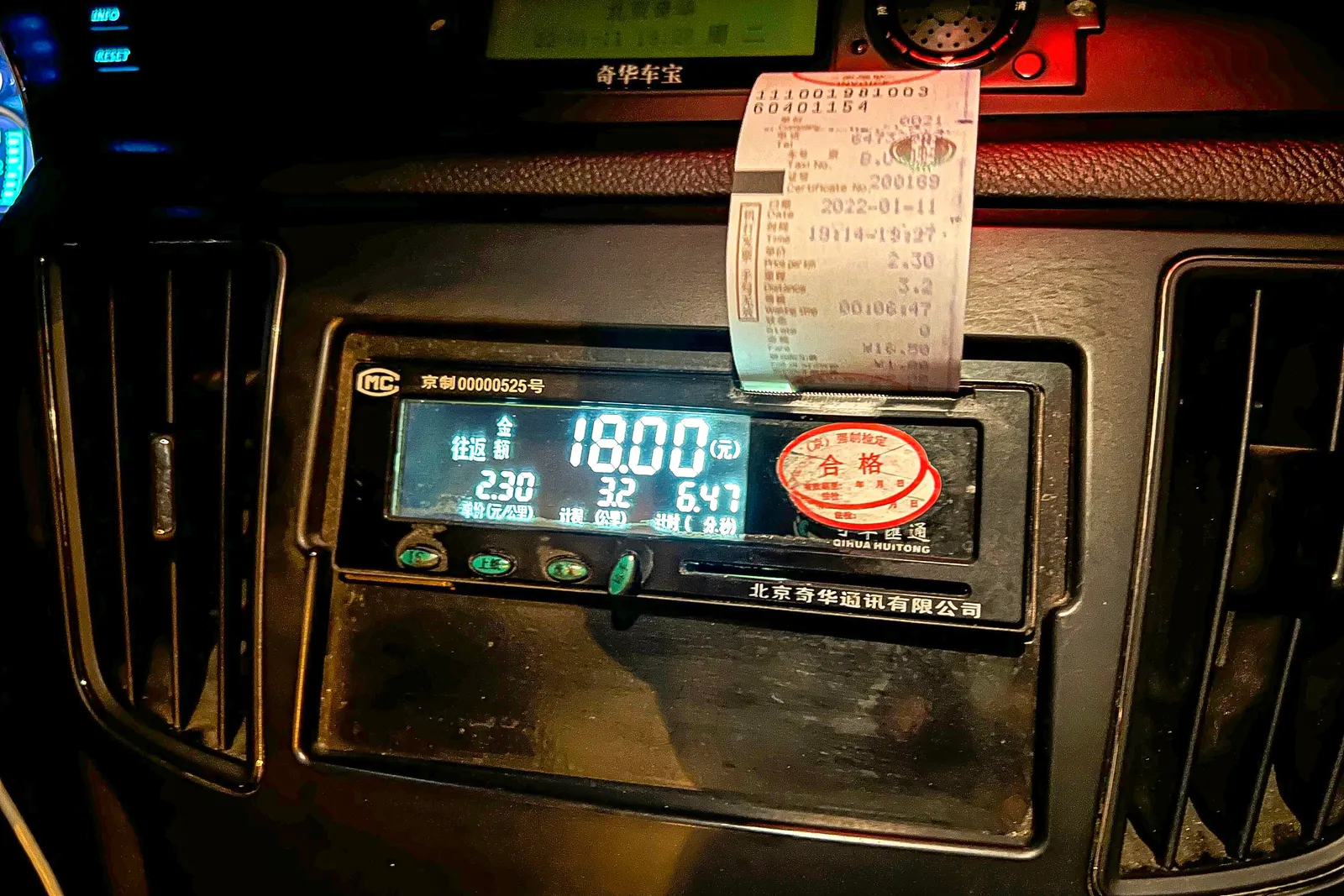
China is cheaper than most travelers expect, especially for food and transport. Hotels in Beijing and Shanghai and long train rides are where the money goes. All figures below are per person per day, without international flights, and they are typical ranges, not fixed prices.
Exchange rates in late September 2026 were about ¥6.7 per US dollar and ¥7.6 per euro. As a rough guide, ¥100 is about US$15 or €13. Rates move, so check before you go.
Daily budget at a glance
- Budget: ¥300–450 (about US$45–65 / €40–60). Hostel dorm or simple hotel, local restaurants and street food, metro and buses, one paid sight a day.
- Mid-range: ¥700–1,200 (about US$105–180 / €90–155). A comfortable 3–4 star hotel shared by two, sit-down meals, taxis or DiDi when needed, two sights a day.
- Comfort: ¥1,800 and up (about US$270+ / €235+). International hotel chains, nicer restaurants, first-class train seats, private guide or driver now and then.
Add train or flight costs between cities on top.
Hotels
- Hostel dorm bed: about ¥60–120
- Simple budget hotel room: about ¥200–350
- Mid-range 3–4 star room: about ¥400–800
- International 5-star in Beijing or Shanghai: from about ¥1,200, often more
Prices rise sharply during Golden Week and Chinese New Year. Book hotels that accept foreign passports: some cheap hotels cannot register foreign guests. Booking sites such as Trip.com show which ones can.
Food
Eating well is cheap.
- Breakfast of buns, dumplings or a jianbing pancake: ¥5–20
- A bowl of noodles or a rice dish: ¥15–35
- Dinner at a casual restaurant: ¥50–100 per person
- A nicer restaurant: ¥150–300 or more per person
- Bottled water: ¥2–4
Tipping is not expected in restaurants or taxis.
Getting around
- Metro rides: about ¥3–10 per ride
- Taxi or DiDi across town: often ¥20–60, depending on the city and traffic
- High-speed train, second class: Beijing–Shanghai and Beijing–Xi’an are roughly ¥500–700 each; short hops such as Shanghai–Suzhou or Shanghai–Hangzhou are under ¥100. Fares vary by train and date.
- Domestic flights can be cheaper than the train on long routes, especially if booked early.
Sights
Many museums are free but need a booking. Typical ticket prices from our city guides:
- Forbidden City: ¥60 (April–October), ¥40 (November–March)
- Terracotta Army: ¥120
- Chengdu Panda Base: ¥55
- Mutianyu Great Wall: about ¥45, plus ¥140 for the return cable car
Most major sights cost ¥30–150. See the reservations center for booking windows.
An example: 10 days, mid-range
On the Beijing, Xi’an and Shanghai route, two people sharing a room at about ¥600 a night spend roughly:
- Hotel: ¥2,700 each for 9 nights
- Trains and one flight between cities: ¥1,200–1,700
- Sights: ¥600
- Food: ¥2,000
- Local transport: ¥500
That is about ¥7,000–7,500 per person (roughly US$1,050–1,100 / €900–1,000), before international flights. Allow more for shows, cable cars and shopping.
Ways to save
- Take high-speed trains in second class and book early, as popular trains sell out.
- Eat where locals eat. Food courts in malls are cheap, clean and have picture menus.
- Travel outside public holidays, when hotel prices and crowds peak.
- Use the metro. It is fast, cheap and signed in English.
Sources
- China Railway 12306 (official train fares) (12306.cn)
- Palace Museum official ticketing (intl.dpm.org.cn)
- Federal Reserve H.10: USD/CNY exchange rates (federalreserve.gov)
- Seat61: train travel in China, fares and booking (seat61.com)
Checked against these sources on 2026-09-27. Rules change often, so confirm on the official site before you go.
Read next
More on Planning
 China visa-free countries: who gets 30 days without a visa (2026)78 passports can enter China without a visa: 50 for 30 days until set end dates, 28 under permanent agreements. Who qualifies and what to carry.
 How many days in China? What fits in 7, 10 and 14 daysTen days is the sweet spot for a first trip. What you can realistically see in one week, ten days or two weeks, and how visa rules cap your stay.
 240-hour visa-free transit in China: how it works (2026)Up to 10 days in China without a visa if you fly on to a third country. Eligible passports, ports, allowed areas and the mistakes that get people refused.