
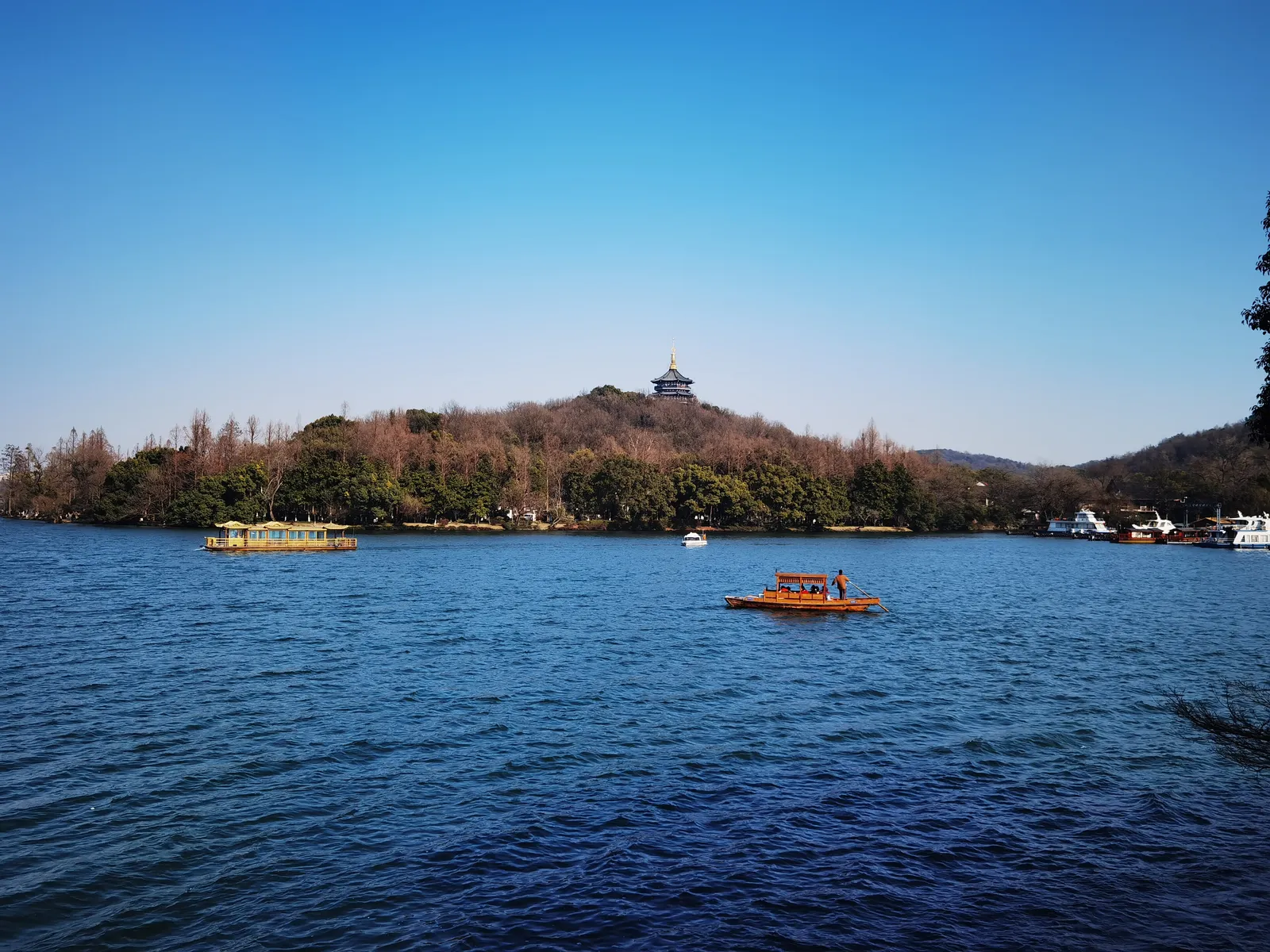
Marco Polo’s City of Heaven
Photo: CatOnMars · CC BY-SA 4.0
In the 13th century a Venetian called Hangzhou the finest city in the world. What did he really see, and what is still there at West Lake?
Sometime around 1298, a Venetian merchant sat in a prison in Genoa and described a city on the other side of the world. He called it Quinsai, and he said it was without doubt the finest and noblest city on earth. Today we call it Hangzhou.
A city that stands in the water
Marco Polo left Venice with his father and uncle in 1271 and, by his own account, spent some seventeen years in the service of Kublai Khan, the Mongol ruler of China. He came home in 1295. Captured a few years later in a war between Venice and Genoa, he shared a cell with Rustichello of Pisa, a writer of romances, and together they produced the book known in English as The Travels, or The Description of the World.
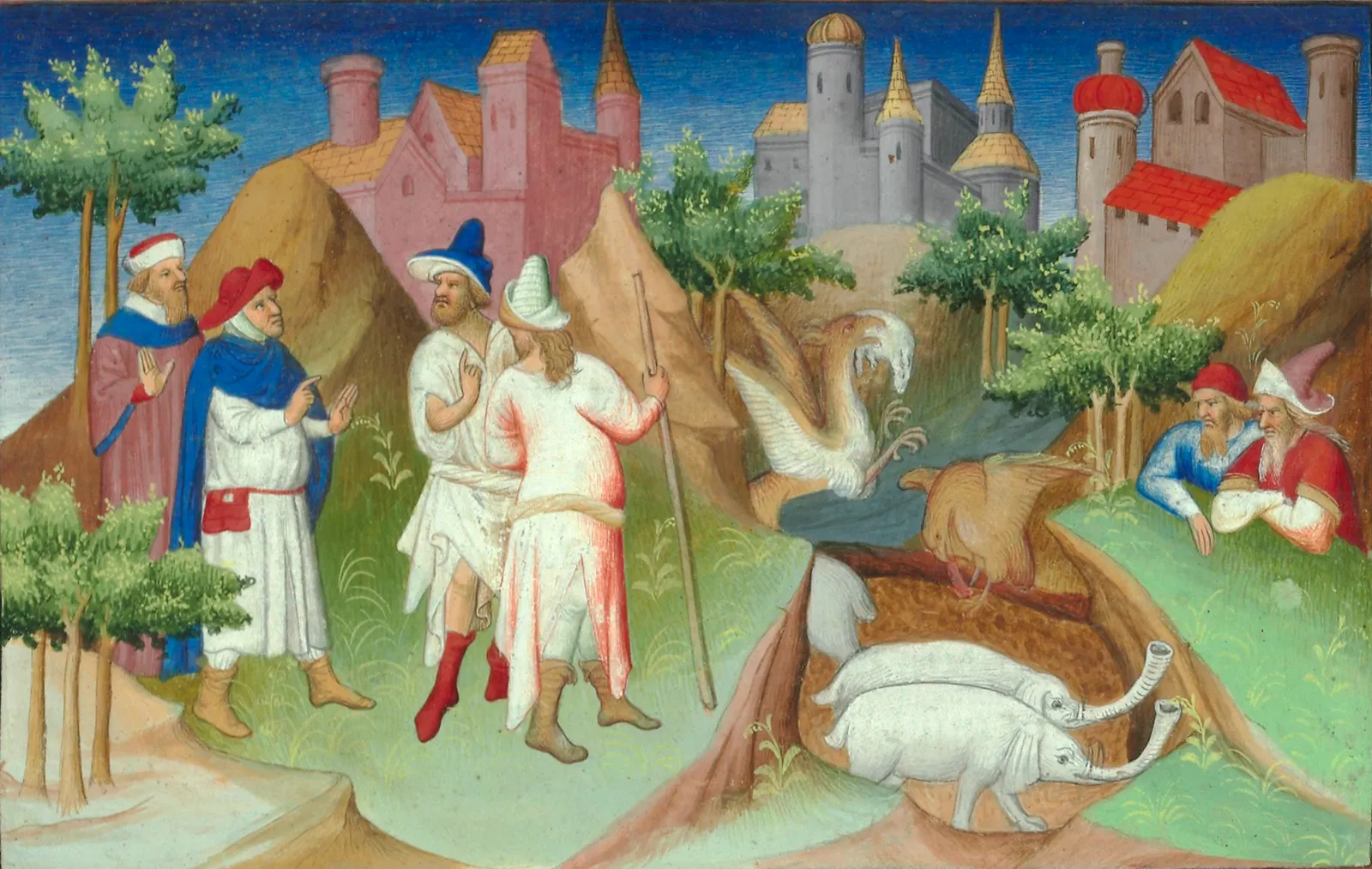
Hangzhou was a new prize for the Mongols then. For nearly a century and a half it had been the seat of the Southern Song dynasty, and it fell to Mongol armies only in 1276. The Song court never formally called it a capital: it was the xingzai, the emperor’s “temporary residence”, a reminder that they hoped to return to the north. The British scholar A. C. Moule showed that Polo’s “Quinsai” comes from that word. Polo himself explained it as “City of Heaven”.
In Henry Yule’s classic English translation, the description of Quinsai is one of the longest passages in the book. The city, Polo says, stands as if in the water: a clear freshwater lake on one side, a great river on the other, and canals of every size running through every quarter and carrying the dirt away. The streets are paved with stone or brick. There are ten principal market squares, each busy three days a week with 40,000 or 50,000 people. There are twelve guilds of craftsmen, some 3,000 public baths and, the number everyone remembers, twelve thousand stone bridges, some so high that large ships pass beneath them.
The lake of pleasure boats
The passage that still sounds most like Hangzhou is the one about the lake. Polo says it is some 30 miles around, lined with palaces and fine houses and with many “abbeys and churches”, as he called the Buddhist monasteries. On two islands stand handsome buildings where any citizen can hold a wedding feast or a banquet. And there are boats for hire, holding 10, 15, 20 or more people, furnished with tables and chairs, painted in bright colours and with windows all round, so that guests can eat and drink while the city and the hills slide past.
It is a very Venetian way of looking: a man from a city of canals, noticing canals, bridges, markets and money. Polo says the Khan sent him to Quinsai several times to check its customs revenue, and that much of his information came from a written account that the Song empress sent to Bayan, the Mongol general who took the city.
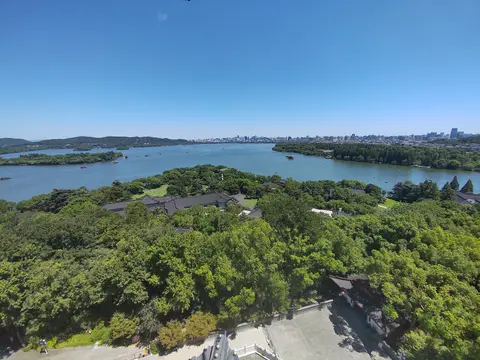 Sight in HangzhouWest Lake 西湖Hangzhou’s famous lake, ringed by hills, pagodas and willow-lined causeways. A UNESCO World Heritage site.
Did he really see it?
Not everything in the book can be taken literally, and historians have always said so. Twelve thousand bridges is almost certainly an exaggeration, a circuit of “a hundred miles” is far too large, and Polo’s numbers tend to swell. Even his “City of Heaven” is puzzling: some scholars think he was echoing a Chinese saying already current in Song times, “above there is heaven, below there are Suzhou and Hangzhou”.
Bigger doubts go back to the nineteenth century. In 1995 Frances Wood, head of the Chinese collections at the British Library, published Did Marco Polo Go to China? She pointed to what the book leaves out, such as tea, foot-binding, chopsticks and the Great Wall, and to the fact that no Chinese record names him. Perhaps, she suggested, he gathered his stories from Persian and other travellers without going himself. Of these, the Great Wall counts least: most of the brick wall visitors see today was built under the Ming dynasty, long after Polo’s time.
Most specialists were not persuaded. The historian Igor de Rachewiltz answered her in a detailed review, and in 2013 Hans Ulrich Vogel compared Polo’s account of paper money, salt and state revenues with Chinese sources. He found details that match Yuan records Polo could never have read in Europe, and no other Western, Persian or Arab writer of the time came close. The mainstream view today is that Polo really was in China, and that his book should still be read with care, as a mix of what he saw, what he was told and what a romance writer made of it.
Visiting today
The canals, markets and famous bridges of Quinsai are gone, but the lake is still there, and Polo would recognise it. West Lake is now a UNESCO World Heritage site, framed by green hills on three sides, crossed by the Su and Bai causeways, with pagodas on the ridges and temples in the woods. Hire a small boat and you are doing just what he described: sitting on the water while the city drifts by. Start at West Lake and give it at least half a day.
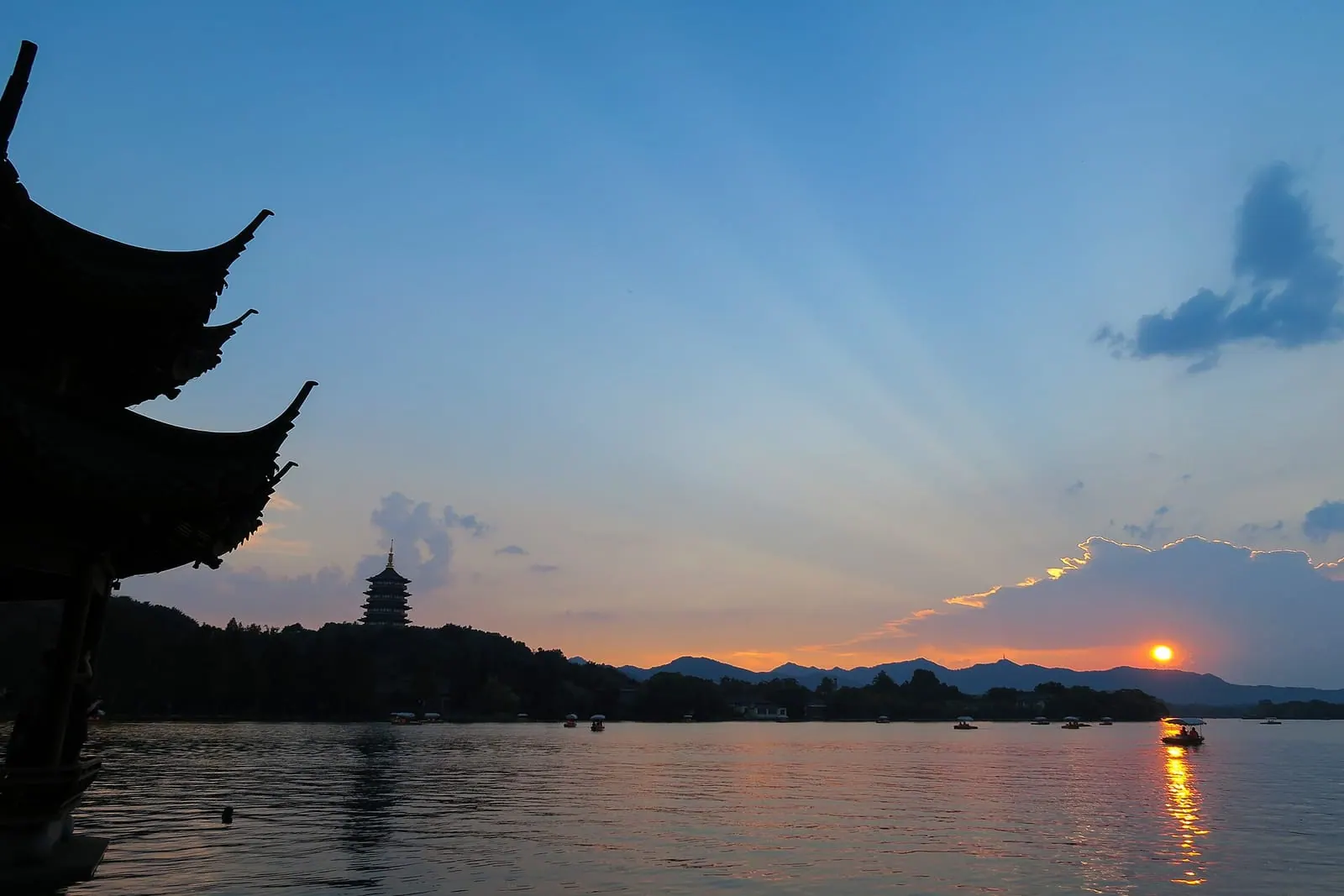 City guideHangzhou 杭州West Lake, Longjing tea villages and a quick train from Shanghai.
Places in this story
Sources
- Marco Polo: The Glories of Kinsay (Yule–Cordier translation, 1903), Internet History Sourcebooks, Fordham University (sourcebooks.web.fordham.edu)
- Song Dynasty China: Hangzhou, Asia for Educators, Columbia University (afe.easia.columbia.edu)
- Marco Polo in China (1271–1295), Asia for Educators, Columbia University (afe.easia.columbia.edu)
- Review of Hans Ulrich Vogel, Marco Polo Was in China (2012), Reviews in History, Institute of Historical Research (reviews.history.ac.uk)
- Igor de Rachewiltz, F. Wood’s Did Marco Polo Go to China? A Critical Appraisal, Australian National University (openresearch-repository.anu.edu.au)
Legends are told as legends. Where historians disagree, we say so.
Corrections
- 2026-09-29 Added that most of today’s Great Wall was built after Polo’s time, and replaced his old word for Buddhists with a neutral description.
More stories
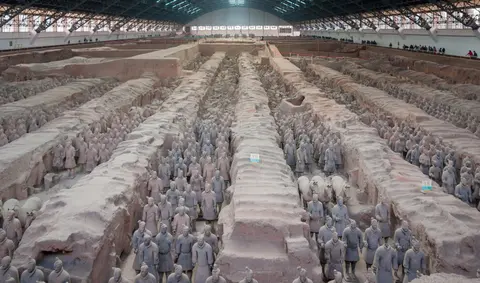 HistoryThe well that found an armyIn 1974 farmers digging a well near Xi’an hit pieces of clay. They had found the First Emperor’s army, and the tomb it guards is still sealed.
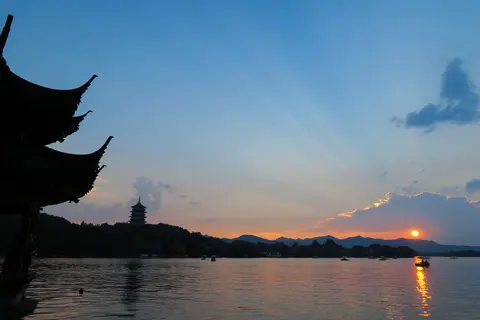 LegendsThe White Snake and Leifeng PagodaA snake spirit in love, a monk who stood in her way, and a real pagoda on West Lake that fell in 1924 and rose again.
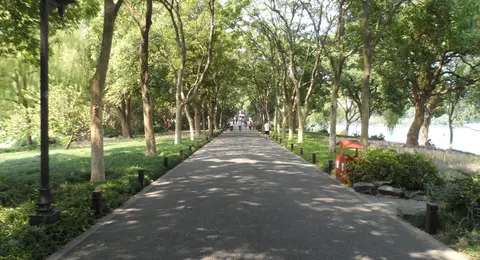 Food originsThe poet, the causeway and the porkSu Dongpo governed Hangzhou, saved West Lake and left his name on a causeway, and, people say, on its most famous braised pork.