
Marco Polo
马可·波罗Mǎkě Bōluó1254–1324
The Venetian merchant whose 13th-century book about Kublai Khan’s China, and its praise of Hangzhou, fascinated Europe for centuries.
Marco Polo was a Venetian merchant who, by his own account, travelled to China with his father and uncle in 1271 and spent about seventeen years in the service of Kublai Khan, the Mongol ruler of the Yuan dynasty. Back in Europe, as a prisoner of war in Genoa around 1298, he told his story to the writer Rustichello of Pisa, and their book, known in English as The Travels, gave Europeans one of their first detailed pictures of China. It describes Kublai’s capital, which Polo called Cambaluc (today’s Beijing), the empire’s paper money and postal relays, and above all the former Song capital Hangzhou, which he called Quinsai (also spelled Kinsay) and praised as the finest city in the world. Some historians have questioned whether he went to China at all, pointing to things the book never mentions, such as tea and the Great Wall, and to his absence from Chinese records. Most specialists today accept that he was there, while reading the book as a mix of what he saw, what he was told and what his co-author added.
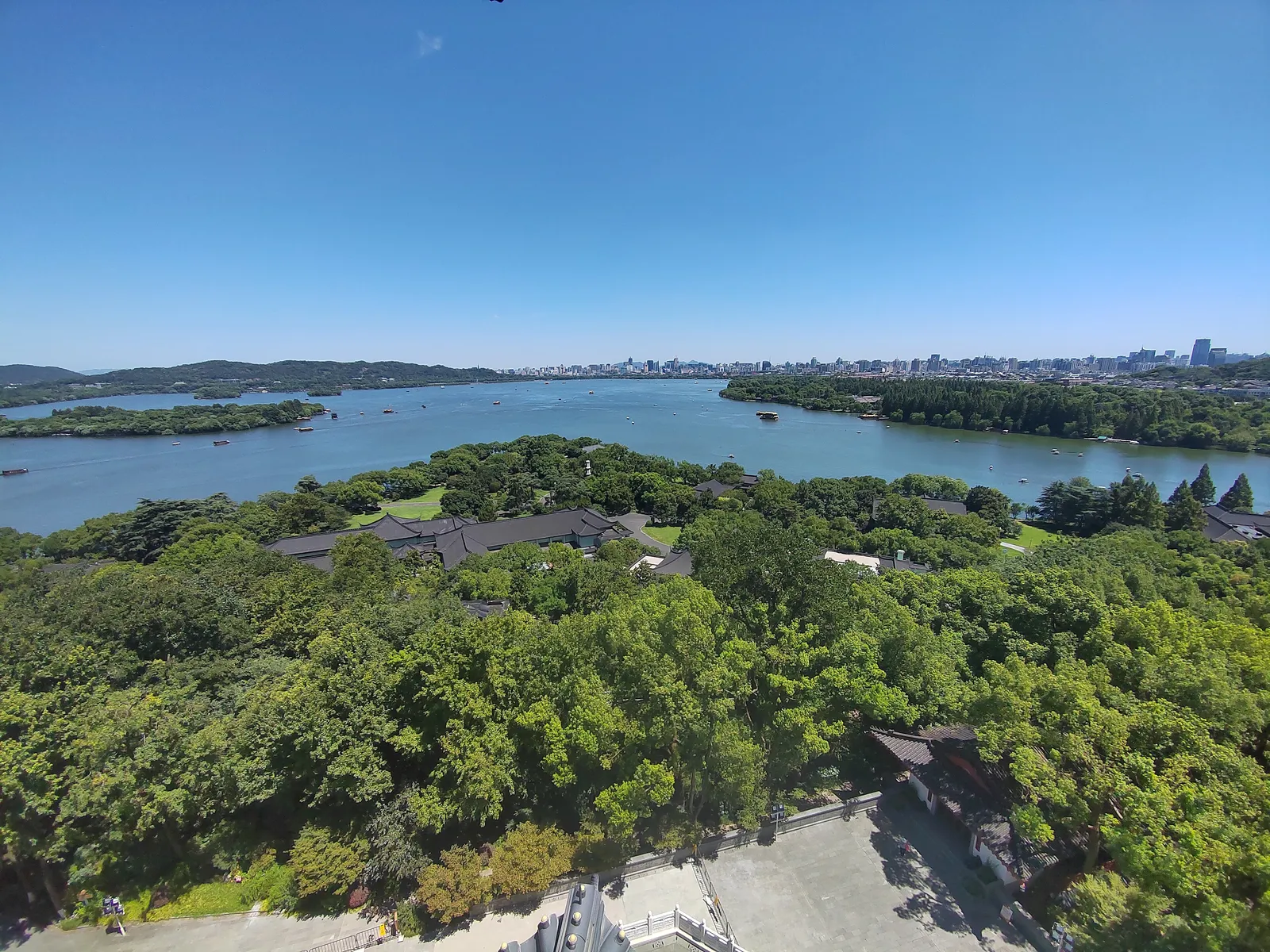
Where to see it in China
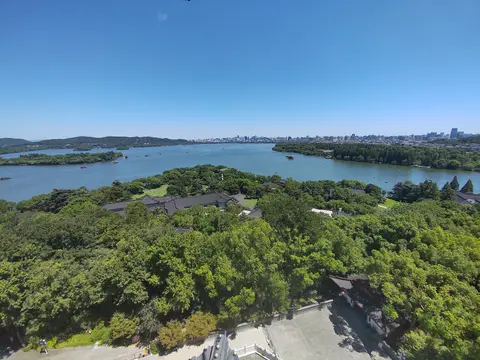 HangzhouWest Lake 西湖The lake he described, where guests dined on painted pleasure boats as the city slid by; you can still hire a boat today.
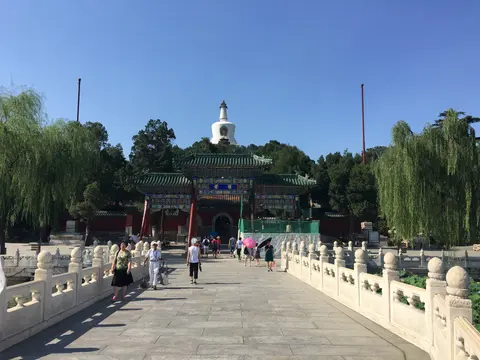 BeijingBeihai Park 北海公园Jade Islet and its lake lay within the palace grounds of Kublai Khan’s capital, the city Polo called Cambaluc.
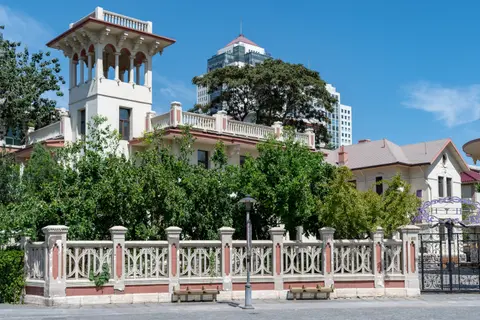 TianjinItalian Style Street 意式风情区Tianjin’s former Italian concession, whose central piazza is named Marco Polo Square.
Where we mention it
Related entries
Sources
- Marco Polo — Wikipedia (en.wikipedia.org)
- Marco Polo — Encyclopaedia Britannica (britannica.com)
- Marco Polo in China (1271–1295), Asia for Educators, Columbia University (afe.easia.columbia.edu)
- Marco Polo: The Glories of Kinsay — Internet History Sourcebooks, Fordham University (sourcebooks.web.fordham.edu)