
Emergency numbers and hospitals in China: 110, 120 and what to expect
Which number to call (110, 120, 119, 122), getting English help, how public hospitals work, deposits, pharmacies, medicines and travel insurance.
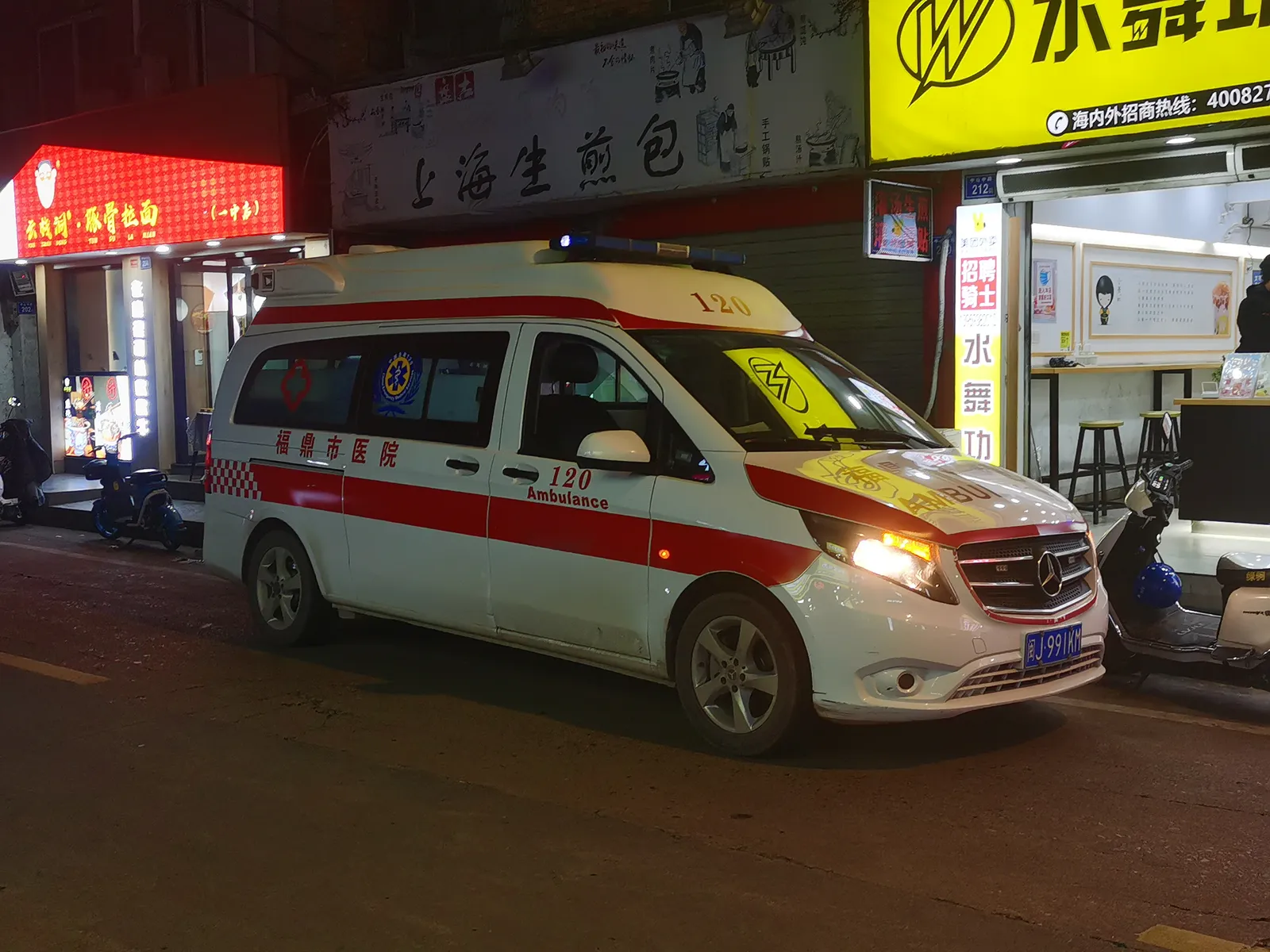
Most trips to China pass without any emergency at all. But if something does happen, the system works differently from home: you call different numbers, and hospitals expect you to pay before they treat you. Ten minutes of preparation now makes a bad day much easier.
The numbers to know
These work everywhere in mainland China:
- 110 police: crime, theft, anything where you feel unsafe, and the number to call if you are not sure which one to use
- 120 ambulance and medical emergencies
- 119 fire, and rescue after accidents, floods or building collapses
- 122 traffic accidents
Save them in your phone before you arrive. Calls to these numbers are free. They normally connect from a foreign SIM that is roaming, too, but many travellers only have a data eSIM with no phone number, which cannot make ordinary calls. Keep your home SIM active for roaming, or know that hotel staff, shop staff and passers-by will usually call for you if you show them our police card.
Two non-emergency lines are also useful:
- 12367 is the National Immigration Administration’s service hotline. It answers questions about visas, stays and registration around the clock in Chinese and English. From abroad, dial +86 12367.
- 12345 is each city’s government service hotline for everyday problems and complaints. Beijing and Shanghai offer English and several other languages around the clock; in smaller cities support varies.
Getting help in English
English support depends on the city. In Shanghai, 110 is answered in English, Japanese, Russian, German, French, Spanish, Arabic and Korean, and 119 and 120 also handle English. In Beijing and other large cities there is usually some way to reach an interpreter. Elsewhere, expect Chinese.
When you call, speak slowly and start with “English, please”. Then give:
- Where you are: the most important thing. Read out the Chinese address or a nearby landmark, or hand the phone to someone local.
- What happened, and how many people are hurt.
- Your phone number, so they can call you back.
Ambulance or taxi?
A 120 ambulance takes you to a suitable hospital nearby, and you pay for the ride. In a real emergency, call 120. For something less urgent, a taxi or DiDi is often faster; show the driver our “take me to a hospital” card or the name of a specific hospital in Chinese.
How hospitals work
Public hospitals in China are large, busy and often very good, but the process surprises many visitors:
- Register first (挂号, guàhào) at a counter, a machine or through an app. You need your passport, because registration is in your real name.
- See the doctor in the department you registered for.
- Pay before each step: tests, scans and medicines are paid at the cashier or by app before they happen.
- Collect medicines from the hospital pharmacy.
Emergency departments (急诊, jízhěn) are open 24 hours, but the same “pay first” rule applies. If you are admitted, you will be asked for a deposit that covers the expected cost of treatment. Hospital care is not free for visitors, and serious treatment can be expensive.
Many big public hospitals have an international or VIP department (国际医疗部 or 特需门诊) with English-speaking staff, shorter waits and higher prices. Beijing alone has more than 50 hospitals with international departments, and over 150 medical institutions offer foreign-language services from registration to payment. Most large cities also have private international clinics and hospitals with Western-style service, English-speaking doctors and prices similar to Europe or North America.
Paying
Public hospitals mostly take Alipay, WeChat Pay and cash; foreign cards are accepted in a growing number, especially in Beijing and Shanghai. International clinics usually take foreign credit cards. Some international departments and clinics can bill your insurer directly if your insurer has an agreement with them: you show your insurance card and passport and pay nothing upfront. Otherwise you pay and claim later, so keep every receipt and medical report. See how to pay in China.
Pharmacies and medicines
Pharmacies (药店, yàodiàn) are everywhere and many show a green cross. Staff rarely speak English, so show the Chinese name of what you need. Simple painkillers and cold medicines are easy to buy, but many medicines, including antibiotics, need a prescription from a Chinese doctor, and familiar Western brands may not be available.
Bring enough of your own medicines for the whole trip, in the original packaging, with a copy of your prescription or a doctor’s letter. Some medicines that are normal at home, especially strong painkillers, sleeping pills and some ADHD drugs, are controlled in China. Check with the Chinese embassy before you travel if you are unsure.
Travel insurance
Buy travel insurance that covers medical treatment and medical evacuation, and check whether your insurer has a 24-hour assistance line and partners in China. If you are admitted to hospital, call your insurer as soon as you can; they may guarantee payment or arrange a transfer.
What to carry every day
- Your passport: you need it for hospital registration as well as trains and hotels.
- Your hotel’s name and address in Chinese.
- Your insurance card and the assistance phone number.
- A list of your medicines, conditions and allergies, ideally translated into Chinese. Our help cards cover the main food allergies; see also food allergies in China.
- Your embassy or consulate’s phone number.
Your embassy
Your embassy or consulate can help you find a doctor, contact your family and help if you lose your passport, but it cannot pay your medical bills. If your passport is lost or stolen, report it to the local police first, then contact your embassy. For general safety advice, read is China safe for tourists?.
Sources
- Shanghai government: what to do in an emergency (110, 119, 120 and foreign-language support) (english.shanghai.gov.cn)
- Beijing government: Medical Guide for Foreigners in Beijing (visiting process, payment, insurance direct billing) (english.beijing.gov.cn)
- Beijing Foreign Affairs Office: full-process foreign-language services at 156 medical institutions (wb.beijing.gov.cn)
- National Immigration Administration: China Immigration Service Hotline 12367 (en.nia.gov.cn)
- UK Foreign Office: China travel advice, health (gov.uk)
- U.S. Embassy & Consulates in China: emergency contacts (110, 119, 120, 122) (china.usembassy-china.org.cn)
Checked against these sources on 2026-09-27. Rules change often, so confirm on the official site before you go.
Read next
More on Practical tips
 30 basic Chinese phrases for travelers, with pinyinThirty essential Mandarin phrases in characters and pinyin: greetings, numbers, directions, ordering food, paying and asking for help, plus tones in brief.
 Hotels in China for foreigners: booking, check-in and registrationWhich hotels take foreign passports, how check-in and deposits work, where to book, and how to register with police within 24 hours if you stay privately.
 China etiquette tips: tipping, chopsticks, temples and morePractical etiquette for China: no tipping, chopstick manners, queues, what not to photograph, temples, gifts, bargaining and topics to handle with care.