
30 basic Chinese phrases for travelers, with pinyin
Thirty essential Mandarin phrases in characters and pinyin: greetings, numbers, directions, ordering food, paying and asking for help, plus tones in brief.
You can travel around China without speaking Chinese, but a handful of phrases makes every day easier, and people are visibly pleased when you try. Below are 30 phrases in Chinese characters, pinyin (the official spelling in Latin letters) and English.
For anything important, such as allergies, hospitals or addresses, do not rely on pronunciation. Show a full-screen help card instead.
Tones in brief
Mandarin has four tones plus a light, neutral one. The same syllable means different things depending on the tone, which is why pinyin carries accent marks:
- ā first tone: high and flat
- á second tone: rising, like a question
- ǎ third tone: low, dipping
- à fourth tone: sharp and falling
- a without a mark: short and light
Do not worry too much. In context, people usually understand you even if the tones are off. Two third tones in a row change: nǐ hǎo is said “ní hǎo”. And 不 (bù) becomes bú before a fourth tone, which is why you will see bú yào.
Greetings and basics
- 你好 (nǐ hǎo): hello
- 谢谢 (xièxie): thank you
- 不客气 (bú kèqi): you’re welcome
- 对不起 (duìbuqǐ): sorry
- 不好意思 (bù hǎoyìsi): excuse me (to get past or get attention)
- 再见 (zàijiàn): goodbye
- 我听不懂 (wǒ tīng bu dǒng): I don’t understand
- 你会说英语吗? (nǐ huì shuō Yīngyǔ ma?): do you speak English?
- 不用了,谢谢 (bú yòng le, xièxie): no thanks (useful with street sellers)
Numbers
一 (yī) 1, 二 (èr) 2, 三 (sān) 3, 四 (sì) 4, 五 (wǔ) 5, 六 (liù) 6, 七 (qī) 7, 八 (bā) 8, 九 (jiǔ) 9, 十 (shí) 10.
- 两个 (liǎng ge): two of something. When counting things, “two” is 两, not 二.
Chinese people also count on one hand: a thumb and little finger spread out means 6, thumb and index finger means 8. Prices on screens and receipts use normal digits, so you will rarely need to hear numbers.
Getting around
- ……在哪里? (… zài nǎlǐ?): where is …?
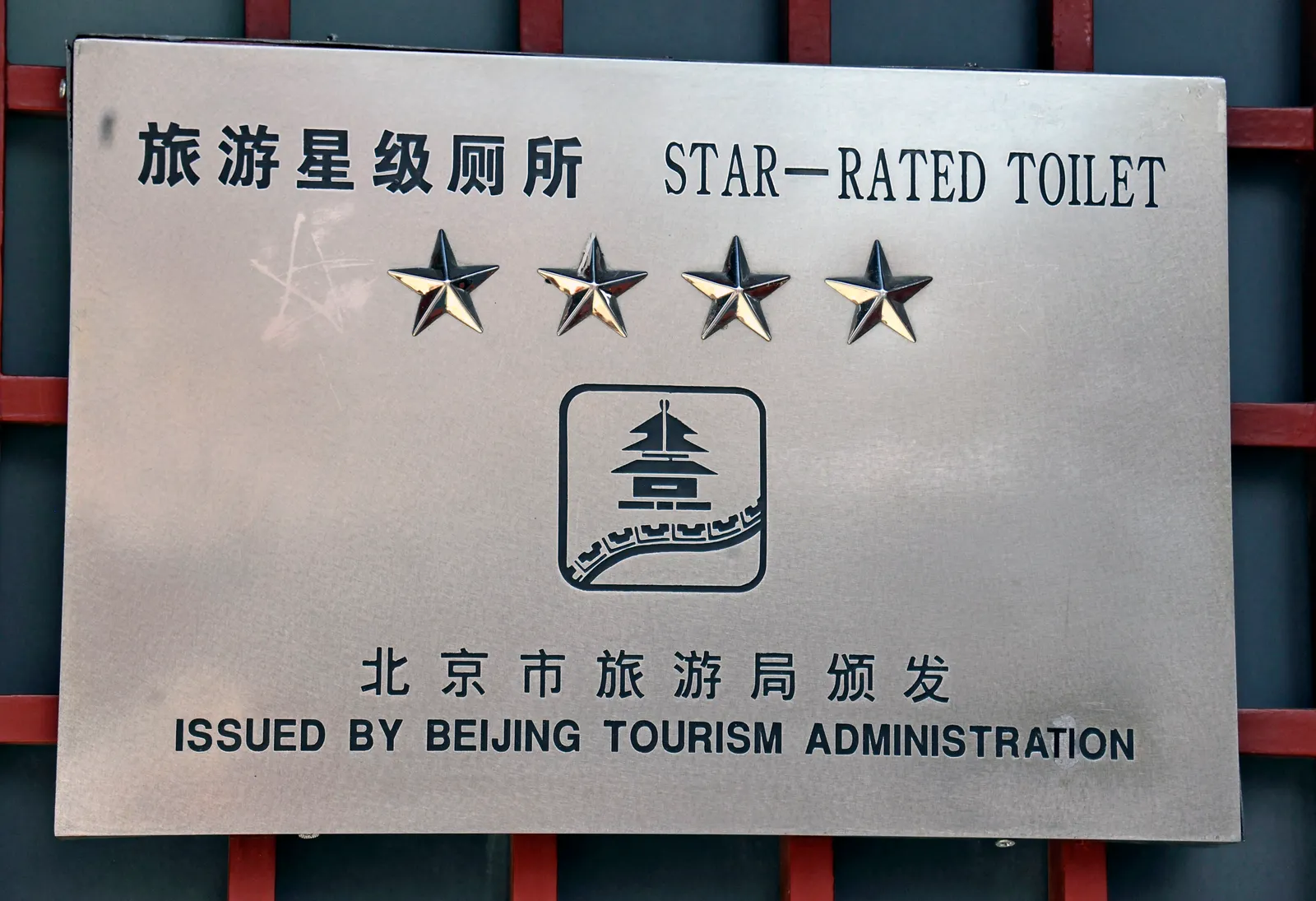
- 洗手间在哪里? (xǐshǒujiān zài nǎlǐ?): where is the toilet?
- 地铁站 (dìtiězhàn): metro station
- 请去这个地址 (qǐng qù zhège dìzhǐ): please take me to this address (while showing it)
- 左 (zuǒ) left, 右 (yòu) right, 直走 (zhí zǒu) straight on
- 这里停 (zhèlǐ tíng): stop here
Eating
- 服务员 (fúwùyuán): waiter (to call staff)
- 我要这个 (wǒ yào zhège): I’d like this one (while pointing)
- 不要辣 (bú yào là): not spicy
- 我吃素 (wǒ chī sù): I’m vegetarian
- 一瓶水 (yì píng shuǐ): a bottle of water
- 买单 (mǎidān): the bill, please
For dish names, use our menu translator, and read how to order food in China.
Shopping and paying
- 多少钱? (duōshao qián?): how much?
- 太贵了 (tài guì le): too expensive
- 可以便宜一点吗? (kěyǐ piányi yìdiǎn ma?): can you make it a bit cheaper?
- 可以刷卡吗? (kěyǐ shuā kǎ ma?): can I pay by card?
- 我扫你 (wǒ sǎo nǐ): I’ll scan your code; 你扫我 (nǐ sǎo wǒ): you scan mine
Help
- 救命! (jiùmìng!): help!
- 我需要医生 (wǒ xūyào yīshēng): I need a doctor
- 我迷路了 (wǒ mílù le): I’m lost
Emergency numbers: 110 police, 120 ambulance, 119 fire.
Tips for using these phrases
- Say it, then show it. Many people will understand the characters on your screen faster than your pronunciation.
- Speak slowly and do not raise your voice.
- Translation apps with voice mode work well for longer conversations, but check they work on your connection before you rely on them.
- A smile and 谢谢 go a long way. See also our etiquette tips.
Sources
- MDBG Chinese–English dictionary (pinyin and meanings checked) (mdbg.net)
- UK FCDO travel advice: China, health (ambulance number 120) (gov.uk)
Checked against these sources on 2026-09-27. Rules change often, so confirm on the official site before you go.
Read next
More on Practical tips
 Hotels in China for foreigners: booking, check-in and registrationWhich hotels take foreign passports, how check-in and deposits work, where to book, and how to register with police within 24 hours if you stay privately.
 China etiquette tips: tipping, chopsticks, temples and morePractical etiquette for China: no tipping, chopstick manners, queues, what not to photograph, temples, gifts, bargaining and topics to handle with care.
 What to pack for China: plugs, power banks and essentialsPlug types and voltage, the 3C power bank rule, passport copies, tissues, medicine, clothes for each season and the apps to install first.