
What to pack for China: plugs, power banks and essentials
Plug types and voltage, the 3C power bank rule, passport copies, tissues, medicine, clothes for each season and the apps to install first.
You can buy almost anything in China, often cheaper than at home. A few things are hard to find, need to be set up before you leave, or cause trouble at airport security. This list covers those.
Plugs and voltage
China uses 220 V, 50 Hz. Sockets take three plug types:
- Type A: two flat parallel pins (as in the US and Japan).
- Type C: two round pins (the Europlug).
- Type I: three flat pins in a V shape (as in Australia).
Most wall sockets in hotels combine a two-pin slot that fits A and C with a three-pin slot for type I. Phone, laptop and camera chargers marked 100–240 V work fine with just a plug adapter. Hair dryers and other appliances made only for 110–120 V need a voltage converter, or leave them at home: most hotels provide a hair dryer. UK plugs (type G) always need an adapter. A small universal adapter with USB ports is the easiest option.
Power banks: check for the 3C mark
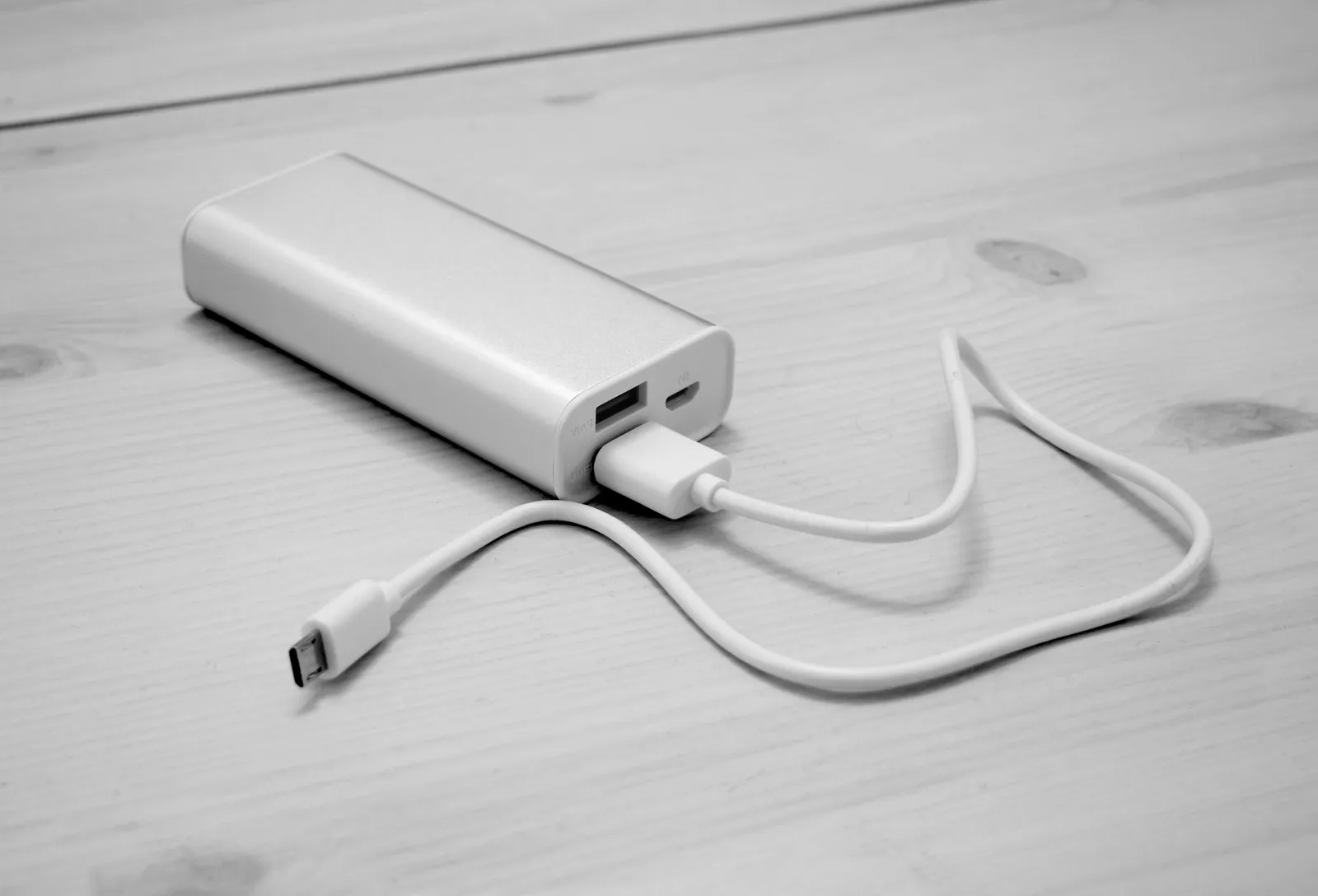
Bring a power bank, since you will use your phone for maps, payments and tickets all day. But on domestic flights in China, power banks are only allowed if they carry the Chinese 3C (CCC) mark, a small oval logo with three Cs printed on the device. Since June 2025, security staff take away power banks without it. They must go in hand luggage, not checked bags.
Shared power banks you can rent with Alipay or WeChat are also found in most restaurants, stations and malls. More in our domestic flights guide.
Documents
- Your passport is needed for hotels, trains, flights, many sights and some metro stations. Carry it every day.
- Photocopies and a photo of the passport photo page and your visa or entry stamp, kept separately from the original.
- A printout or offline copy of your hotel bookings, with the addresses in Chinese.
- Check whether you need a visa at all on our visa page.
Toilets and hygiene
Carry tissues or a small pack of toilet paper. Many public toilets, especially in parks, stations and older buildings, do not provide paper, and many have squat toilets. Hand sanitiser and wet wipes are useful too. Everything is easy to top up at convenience stores.
Medicine
Bring enough of any prescription medicine for the whole trip, in its original packaging, with a copy of the prescription or a doctor’s letter. Some medicines that are legal at home may be restricted in China, especially strong painkillers, some sleeping pills and some ADHD medication. Check with the Chinese embassy in your country before you travel if you are unsure. Pharmacies in cities sell common painkillers, cold remedies and stomach medicine, but brand names and labels are in Chinese.
Clothes by season
- Winter (December to February): the north is very cold and dry; Beijing is often below freezing, Harbin far colder. Bring a warm coat, hat and gloves. The south is milder but damp, and many buildings have little heating.
- Spring and autumn: the best seasons, mild in most places. Bring layers and a light rain jacket.
- Summer (June to August): hot and humid in most cities, with heavy rain in the south. Light breathable clothes, a hat and sunscreen. Air conditioning indoors can be strong, so carry a thin layer.
- Comfortable walking shoes in every season. You will walk a lot, and many sights involve steps.
- For temples and mosques, bring clothes that cover shoulders and knees.
Apps and payments before you go
Your phone matters more than anything else in your bag. Install and set up Alipay or WeChat Pay, a map, a ride-hailing app and a translation app before you leave, and sort out mobile data. Our apps page lists what to install, how to pay explains the wallets, and staying online covers eSIMs and access to your usual apps. The pre-trip timeline tells you when to do each step.
Sources
- IEC World Plugs: China (iec.ch)
- CAAC: ban on power banks without CCC marks on domestic flights (caac.gov.cn)
- GOV.UK travel advice: China health (gov.uk)
Checked against these sources on 2026-09-27. Rules change often, so confirm on the official site before you go.
Read next
More on Practical tips
 30 basic Chinese phrases for travelers, with pinyinThirty essential Mandarin phrases in characters and pinyin: greetings, numbers, directions, ordering food, paying and asking for help, plus tones in brief.
 Hotels in China for foreigners: booking, check-in and registrationWhich hotels take foreign passports, how check-in and deposits work, where to book, and how to register with police within 24 hours if you stay privately.
 China etiquette tips: tipping, chopsticks, temples and morePractical etiquette for China: no tipping, chopstick manners, queues, what not to photograph, temples, gifts, bargaining and topics to handle with care.