
Food allergies in China: peanuts, shellfish, gluten and what to say
Where peanuts, shellfish and gluten hide in Chinese food, why soy sauce matters, the truth about MSG, allergy cards in Chinese and what to do in an emergency.
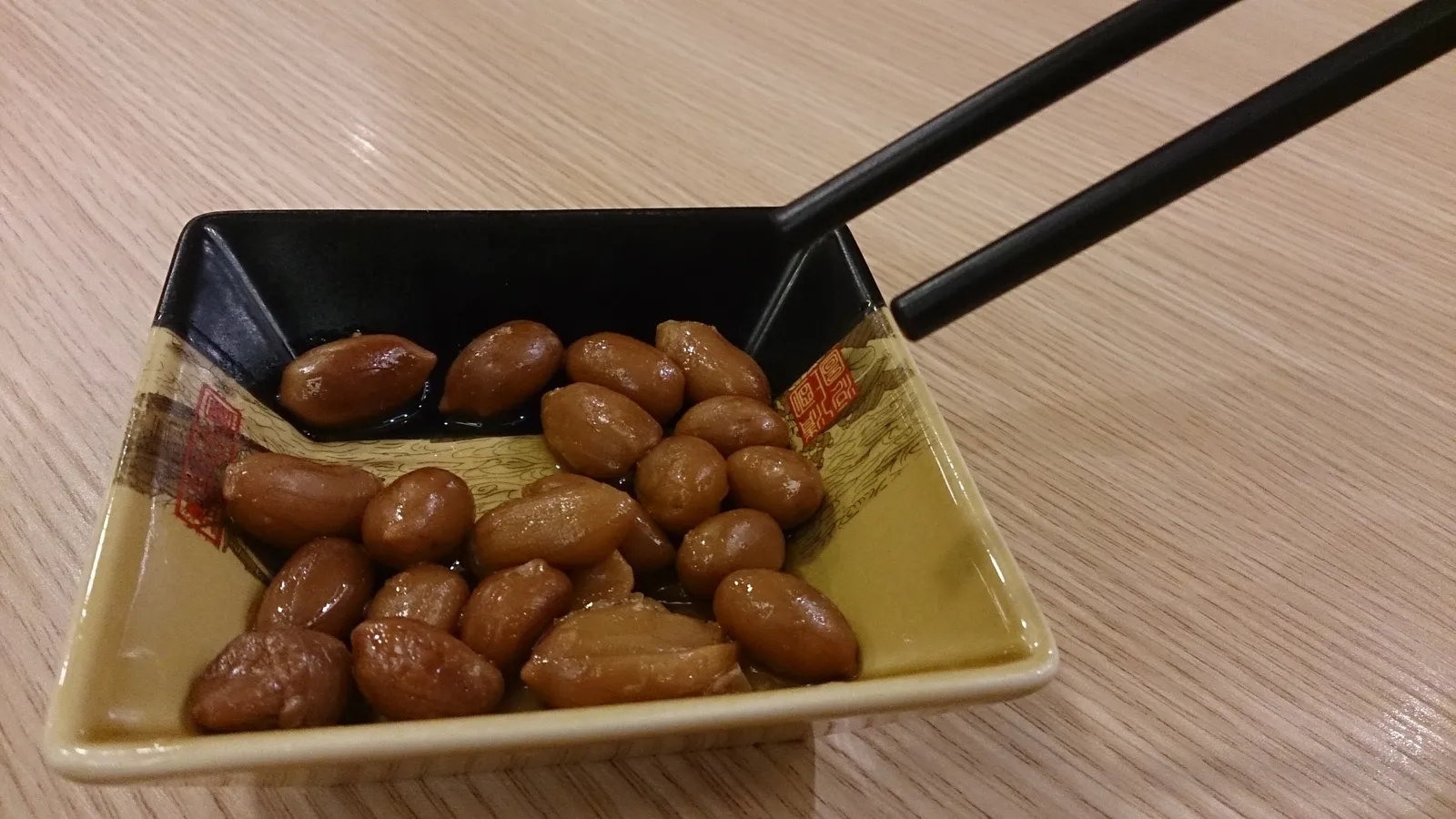
Travelers with food allergies eat safely in China every day, but it takes more preparation than at home. Most restaurants do not print allergen information, staff rarely speak English, and several common allergens are basic ingredients rather than occasional extras.
Where the main allergens hide
Peanuts
Peanuts (花生, huāshēng) are everywhere: whole in kung pao chicken, crushed on dan dan noodles and cold dishes, ground into sauces and hot pot dips. Peanut oil (花生油) is a common cooking oil, and woks are rarely washed between dishes, so cross-contact is a real risk.
Shellfish
Watch for oyster sauce (蚝油) on stir-fried greens, dried shrimp (虾皮, 虾米) in soups, fillings and cold dishes, and shrimp in dumplings such as shrimp dumplings and siu mai. Seafood restaurants often cook everything in the same oil.
Gluten
Ordinary Chinese soy sauce contains wheat, and it goes into almost every dish. Noodles, dumplings, buns and pancakes are wheat. “Mock meat” in vegetarian restaurants is usually wheat gluten (面筋, 烤麸). Safer choices are plain rice, rice noodles (ask whether they are pure rice), steamed fish, hot pot with a plain broth and your own dipping sauce, and fruit. Many coeliac travelers bring their own gluten-free soy sauce.
Sesame and others
Sesame oil and sesame paste (芝麻酱) appear in cold noodles, hot pot dips and dressings. Egg is common in fried rice and soups. Dairy is rare in traditional cooking but common in bakeries and bubble tea.
Allergy cards in Chinese
Do not rely on pronunciation or a translation app for something this important. Our help cards show full-screen messages in clear Chinese for peanut, shellfish and gluten allergies. They name the hidden sources, such as peanut oil, oyster sauce and ordinary soy sauce, because a cook will not think of them otherwise.
Other tips:
- Choose simple dishes with few ingredients; complex sauces are harder to check.
- Chains and hotel restaurants are more likely to have ingredient information than street stalls.
- Packaged food: from 16 March 2027, a new national labelling standard makes allergen labelling mandatory for prepackaged food. Until then it is voluntary, so read the Chinese ingredient list for 花生 (peanut), 小麦 (wheat), 虾 (shrimp) or 蟹 (crab).
The MSG question
MSG (味精, wèijīng) is widely used in China. The US Food and Drug Administration classifies it as generally recognized as safe, and studies have not confirmed that it causes the symptoms often blamed on it. It is not an allergen. If you prefer to avoid it, say 不要味精 (bú yào wèijīng). Note that chicken powder (鸡精) is similar and very common.
If something goes wrong
- The ambulance number is 120. Hospital care in China is not free for visitors, so travel insurance with medical cover is essential.
- Large hospitals in big cities often have an international or VIP department (国际医疗部) with English-speaking staff, at higher prices. Our “take me to a hospital” card helps with taxi drivers.
- Bring your own adrenaline. Adrenaline auto-injectors have long been hard or impossible to buy in mainland China. A nasal adrenaline spray was approved at the end of 2025, but do not count on finding it. Carry enough of your own, with a doctor’s letter, and keep antihistamines in your day bag.
- Check with the Chinese embassy before you travel if you need to bring other prescription medicines.
Before you go
- Save the relevant cards on your phone and print a paper copy in case your battery dies.
- Learn to recognize the characters for your allergen.
- Read how to order food in China and our guide for vegetarians and vegans, which covers the same hidden ingredients.
Sources
- UK FCDO travel advice: China, health (ambulance 120, medicines, insurance) (gov.uk)
- US FDA: Questions and answers on monosodium glutamate (MSG) (fda.gov)
- ChemLinked: China releases GB 7718-2025 food labelling standard (allergen labelling from 16 March 2027) (food.chemlinked.com)
- ARS Pharma: neffy epinephrine nasal spray approved in China (December 2025) (globenewswire.com)
Checked against these sources on 2026-09-27. Rules change often, so confirm on the official site before you go.
Read next
More on Food
 Chinese regional cuisines: a traveler’s guide to what to eat whereSichuan, Cantonese, Beijing, Shanghai, Hunan, Xi’an, Yunnan: how each regional cuisine tastes and the signature dishes to order when you are there.
 How to order food in China: QR menus, pointing and payingTable QR codes that open WeChat or Alipay, asking for a paper menu, picture menus, translating dishes, sharing, paying and why you do not tip.
 Vegetarian and vegan in China: how to eat well without meatBuddhist vegetarian restaurants, the hidden lard, stock and oyster sauce to watch for, safe dishes to order and the Chinese phrases that work.