
Chinese regional cuisines: a traveler’s guide to what to eat where
Sichuan, Cantonese, Beijing, Shanghai, Hunan, Xi’an, Yunnan: how each regional cuisine tastes and the signature dishes to order when you are there.
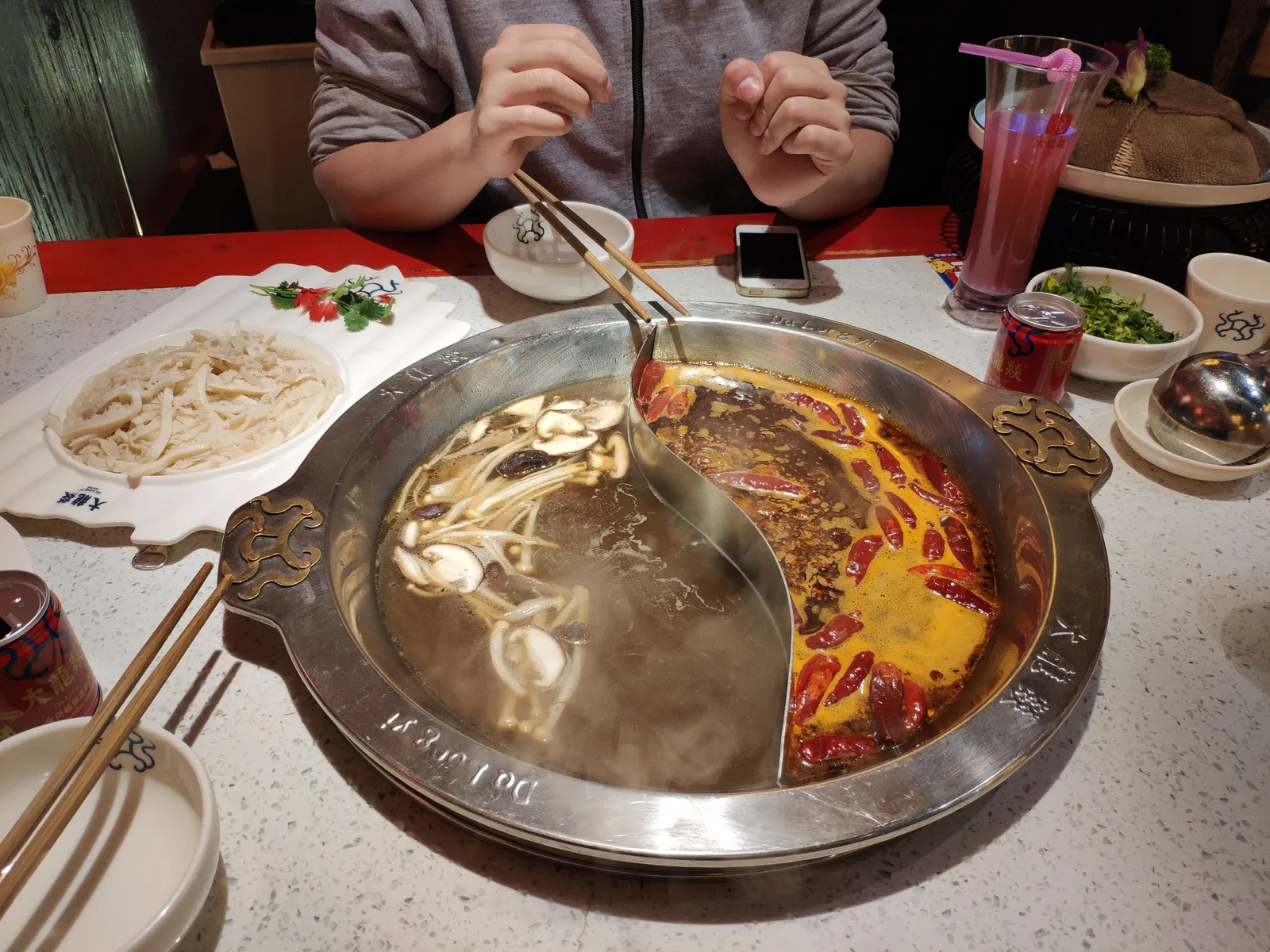
There is no single “Chinese food”. Chinese cooks traditionally speak of eight great cuisines: Shandong, Sichuan, Cantonese, Jiangsu, Zhejiang, Fujian, Hunan and Anhui. On a typical trip you will also meet Beijing, northwestern and Yunnan cooking. A rough rule: the north eats wheat (noodles, buns, dumplings), the south eats rice.
This guide covers the regions most visitors pass through, with dishes you can look up in our menu translator.
Sichuan and Chongqing: numbing and hot
Sichuan food is famous for mala: the tingling numbness of Sichuan pepper plus the heat of dried chilies. Not everything is spicy, though, and many dishes are sweet, sour or garlicky. Chengdu was named China’s first UNESCO City of Gastronomy in 2010.
- Mapo tofu, soft tofu in a chili and bean sauce, usually with minced meat
- Kung pao chicken, twice-cooked pork and dan dan noodles
- Hot pot, the reason to go to Chongqing, plus Chongqing chili chicken
- Fish in chili oil, for serious spice lovers
Hunan: fresh chilies and smoke
Hunan cooking is often hotter than Sichuan, but without the numbing pepper. It uses fresh and pickled chilies, sour flavors and smoked pork. In Changsha, try Hunan chili pork, fish head with chopped chilies and stinky tofu from a street stall.
Cantonese: fresh and light
Cantonese cooking, from Guangzhou and the Pearl River Delta, aims to show off fresh ingredients with light seasoning. The highlight is morning tea with dim sum, best in Guangzhou or Shenzhen.
- Shrimp dumplings, siu mai, barbecue pork buns and rice noodle rolls
- Char siu roast pork and poached chicken
- Claypot rice in the cooler months
Beijing and the north: duck, noodles and lamb
Beijing cooking draws on Shandong cuisine and on the Muslim and Mongolian traditions of the north. Wheat and lamb are everywhere.
- Peking duck, carved at the table and wrapped in thin pancakes
- Zhajiang noodles and shredded pork in sweet bean sauce
- Beijing lamb hot pot, with a plain broth and sesame dip, best in winter
- Jianbing, the breakfast crêpe from nearby Tianjin
Further northeast, in Harbin, look for crispy sweet and sour pork and potato, eggplant and pepper stir-fry.
Shanghai, Jiangsu and Zhejiang: sweet and savory
The cooking around the Yangtze delta is milder and slightly sweet, built on soy sauce, rice wine and sugar. Braising in soy sauce is the signature technique.
- Soup dumplings and pan-fried pork buns in Shanghai
- Red-braised pork belly and sweet and sour ribs
- Dongpo pork and West Lake fish in vinegar sauce in Hangzhou
- Hairy crab, a Shanghai favorite in autumn
Xi’an and the northwest: noodles and cumin
Xi’an is a noodle city with a strong Hui Muslim food culture, so expect lamb and beef rather than pork in its Muslim Quarter.
- Roujiamo, chopped meat in a flatbread
- Cold wheat noodles with chili oil and vinegar
- Wide, hand-pulled biangbiang noodles
- Lanzhou beef noodle soup, lamb skewers and Xinjiang’s big plate chicken further west
Yunnan and Guangxi: rice noodles and mushrooms
The southwest runs on rice noodles. Try crossing-the-bridge rice noodles in Kunming, Guilin rice noodles in Guilin, and the pungent river snail rice noodles from Liuzhou. In the summer rainy season, Yunnan is known for wild mushrooms. Eat them only in restaurants, where they are cooked properly.
Tips for eating your way around
- If you do not eat spicy food, show the “not spicy” card. Many dishes can be made mild.
- Local specialties are cheapest and best at busy, simple restaurants. A queue of locals is a good sign.
- See how to order food in China for QR-code menus and paying.
Sources
- Visit Beijing: Eight culinary traditions of China (english.visitbeijing.com.cn)
- UNESCO: Gourmet Chengdu, Creative City of Gastronomy (unesco.org)
- Chinese regional cuisine (overview) (en.wikipedia.org)
Checked against these sources on 2026-09-27. Rules change often, so confirm on the official site before you go.
Read next
More on Food
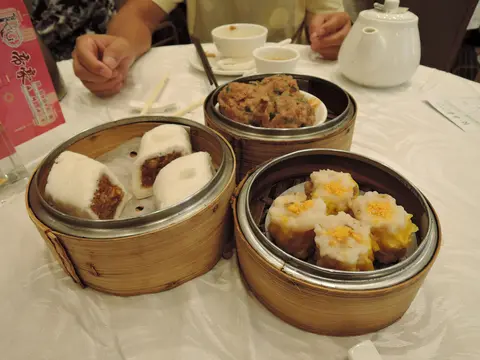 How to order food in China: QR menus, pointing and payingTable QR codes that open WeChat or Alipay, asking for a paper menu, picture menus, translating dishes, sharing, paying and why you do not tip.
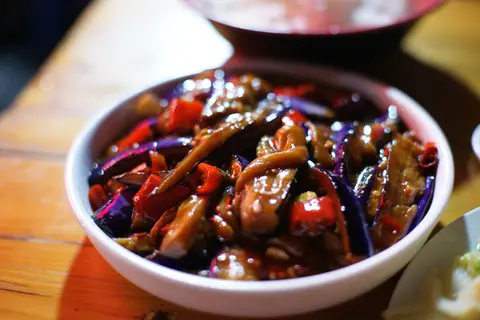 Vegetarian and vegan in China: how to eat well without meatBuddhist vegetarian restaurants, the hidden lard, stock and oyster sauce to watch for, safe dishes to order and the Chinese phrases that work.
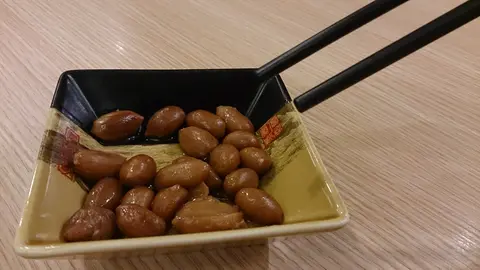 Food allergies in China: peanuts, shellfish, gluten and what to sayWhere peanuts, shellfish and gluten hide in Chinese food, why soy sauce matters, the truth about MSG, allergy cards in Chinese and what to do in an emergency.