
Accessible travel in China: wheelchairs on trains, metro, flights and sights
Travelling China with a wheelchair or limited mobility: 12306 assistance, accessible metro, flights, toilets, and which places are hard.
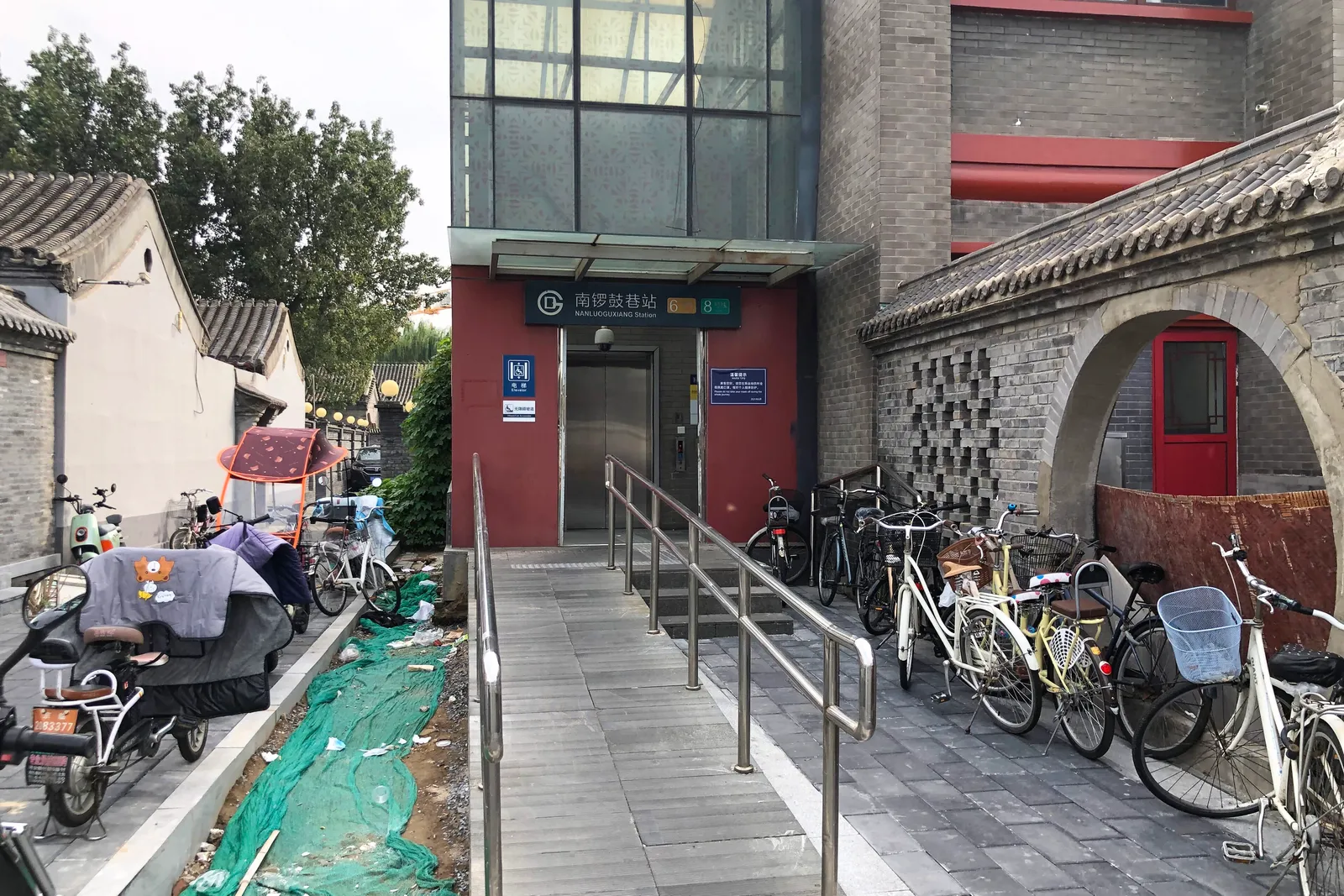
China has built a lot of step-free infrastructure in the last twenty years. New railway stations, airports, metro lines and malls usually have lifts, ramps and accessible toilets, and staff are used to helping. Old towns, temples and mountain sights are another story. This guide covers what works well, what is hard, and how to book help.
High-speed trains: book assistance through 12306
High-speed trains are the easiest way to cover long distances. Stations are modern and step-free, and platforms are close to the height of the train door. Trains have an accessible toilet with handrails and an emergency call button, and usually a space for a wheelchair in one of the cars. Ask staff which car when you board.
China Railway runs a priority passenger service (重点旅客服务, zhòngdiǎn lǚkè fúwù) for older, sick, disabled and pregnant passengers, wheelchair users, and passengers who are blind or deaf:
- Buy your ticket first. The service is linked to a ticket.
- Book the help on the 12306 website or app, by calling the 12306 hotline, or at the station’s service desk. You can book from the moment tickets go on sale until 6 hours before departure.
- Less than 6 hours to go? Go to the station’s service centre (often signed 爱心服务 or 重点旅客) at least 60 minutes before departure.
The station can provide a free wheelchair, priority security and ticket checks, early boarding, an escort to your seat, and it tells the arrival station so staff can meet you. Guide dogs are allowed with their working-dog certificate and animal health and vaccination certificate.
The booking pages are in Chinese, and the English 12306 site may not show this service. Ask your hotel to help you book, or go to the service desk as soon as you arrive at the station. Places reserved for disabled passengers on each train are only for holders of a Chinese disability certificate, so visitors buy normal tickets.
For how stations and boarding work in general, read our high-speed train guide.
Metro
New metro systems are largely step-free, but older stations and some exits only have stairs. Look for the lift symbol and 无障碍电梯 (wúzhàng’ài diàntī) on signs and station maps.
- Beijing: every station has a boarding ramp, and trains have marked wheelchair spaces with safety belts. Stations without a lift have wheelchair platform lifts or stair climbers. Call 96165 to book help, or press the accessible service button at the station entrance; staff will come and escort you, and they tell your transfer and arrival stations.
- Shanghai: the care reservation service (爱心预约) gives wheelchair users and blind passengers a staff escort from the entrance to the train and at the other end. Book 1 to 48 hours ahead in the Metro大都会 app or on the Shanghai Metro website, or ask staff at the station. Staff put down a ramp between platform and train.
Other big cities have similar services at station counters. More about fares and gates in using the metro.
Flights
Chinese aviation rules for passengers with disabilities (from CAAC, the civil aviation authority) say:
- Ask for special assistance or equipment, including carrying an electric wheelchair, when you book, and at least 48 hours before departure.
- Your own wheelchair and other assistive devices are carried free, in the cabin if there is space, otherwise in the hold.
- An electric wheelchair must be checked in at least 2 hours before normal check-in closes, and must meet dangerous-goods rules for its battery. Bring the battery type and capacity in writing, and check with your airline.
Big airports have accessible toilets, lifts and wheelchair assistance to the gate. See domestic flights in China for check-in times.
Toilets
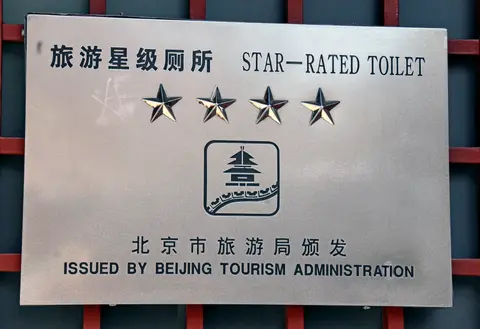
Accessible toilets (无障碍卫生间, wúzhàng’ài wèishēngjiān) and family toilets (第三卫生间) are common in airports, railway stations, malls, newer hotels and major sights. In older areas, restaurants and small towns, many toilets are squat toilets up steps. Plan breaks around malls and stations, and carry tissues.
What is hard
- Old towns and hutongs: cobblestones, narrow lanes, kerbs and shops with steps.
- Temples and palaces: traditional buildings have high wooden thresholds and stone stairs. Courtyards are often reachable, the inside of halls less so.
- The Great Wall and mountains: steep and uneven, with long flights of steps. Cable cars help you get up, but the wall itself is hard for wheelchairs.
- Pavements: tactile paving and kerb ramps exist, but electric scooters, parked bikes and cars can block them.
- Crowds: public holidays make everything slower. See holidays in China.
Big sights such as the Forbidden City have step-free routes around parts of the site and may lend wheelchairs. Call the museum’s customer service (400-950-1925, 08:00–20:00) or check the official website before your visit. Other sights vary a lot, so check before you go.
Taxis and hotels
Most taxis and ride-hailing cars are ordinary sedans. A folding wheelchair fits in the boot, but a power wheelchair usually does not, and wheelchair-accessible vehicles are rare. Hotel staff can help arrange a larger car. See how to take a taxi.
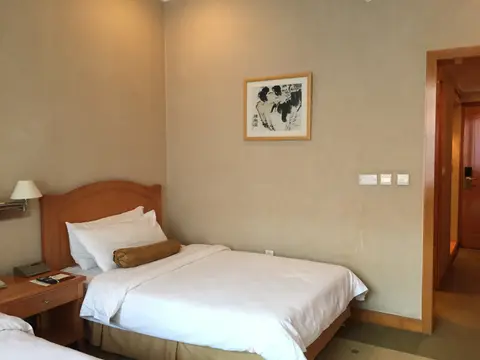
Many international and newer Chinese hotels have accessible rooms (无障碍客房). Book them directly and confirm the details, such as roll-in shower, door width and lift access, in writing. See hotels in China.
Useful phrases
- 我需要轮椅 (wǒ xūyào lúnyǐ): I need a wheelchair
- 无障碍电梯在哪里?(wúzhàng’ài diàntī zài nǎlǐ): where is the accessible lift?
- 无障碍卫生间 (wúzhàng’ài wèishēngjiān): accessible toilet
- 请帮我一下 (qǐng bāng wǒ yíxià): could you help me, please?
Our help cards show key requests to staff in Chinese. Also make sure your travel insurance covers your condition and equipment.
Services are expanding quickly but vary by city and station. Check before you go and book help early.
Sources
- China Railway 12306: services for disabled passengers (Chinese) (kyfw.12306.cn)
- Beijing News: new railway rules for priority passenger services from 20 September 2024 (Chinese) (m.bjnews.com.cn)
- Beijing government: guidance for using accessible facilities in the Beijing Subway (english.beijing.gov.cn)
- The Paper: Shanghai Metro launches online “care reservation” service (Chinese) (m.thepaper.cn)
- CAAC: Regulations on Air Transport for Persons with Disabilities (Chinese) (caac.gov.cn)
- Palace Museum: visitor notice and customer service line (dpm.org.cn)
Checked against these sources on 2026-09-28. Rules change often, so confirm on the official site before you go.
Read next
- China high-speed train guide: stations, boarding and luggage
- Using the metro in China: tickets, QR codes and bank cards (2026)
- Domestic flights in China: booking, power banks, liquids (2026)
- Hotels in China for foreigners: booking, check-in and registration
- Travel insurance for China: what to look for and how hospitals get paid
- Help cards
More on Practical tips
 30 basic Chinese phrases for travelers, with pinyinThirty essential Mandarin phrases in characters and pinyin: greetings, numbers, directions, ordering food, paying and asking for help, plus tones in brief.
 Hotels in China for foreigners: booking, check-in and registrationWhich hotels take foreign passports, how check-in and deposits work, where to book, and how to register with police within 24 hours if you stay privately.
 China etiquette tips: tipping, chopsticks, temples and morePractical etiquette for China: no tipping, chopstick manners, queues, what not to photograph, temples, gifts, bargaining and topics to handle with care.