
Travel insurance for China: what to look for and how hospitals get paid
What your travel insurance should cover in China: medical costs, evacuation, hospital deposits, direct billing, and what to carry if you get sick.
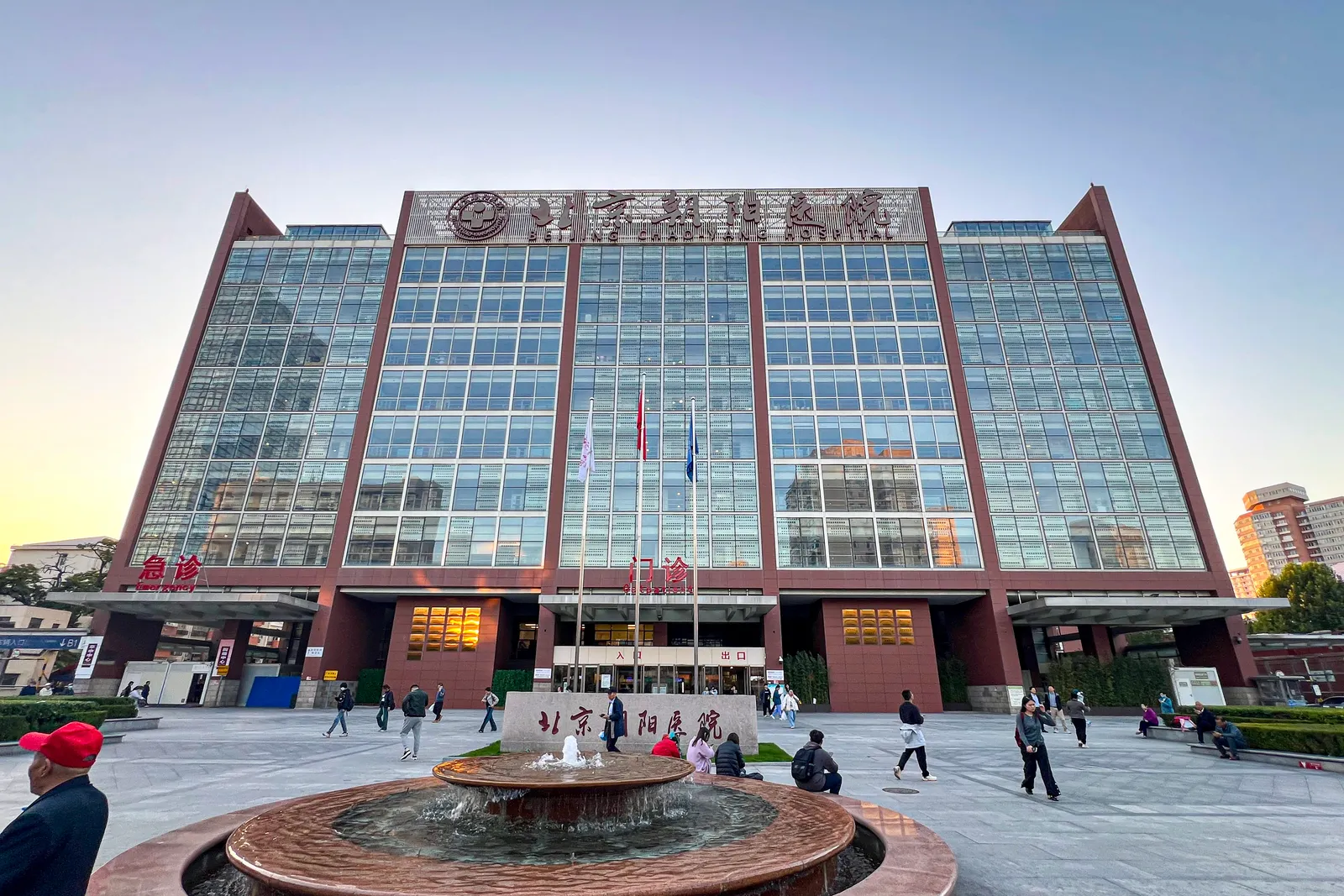
Most trips to China go without a single visit to a doctor. But if you do need one, the way hospitals charge can surprise you: you pay first, and for a hospital stay you pay a deposit before treatment. Good travel insurance turns that from a crisis into paperwork. This guide explains what to look for. We do not recommend specific insurers.
Why insurance matters in China
- Healthcare is not free for visitors. The UK Foreign Office warns that treatment in China can be very expensive, and your home health system will usually not pay.
- You pay before you are treated. In public hospitals you pay for registration, then for each test and for medicines before you get them. If you are admitted, the hospital asks for a deposit (押金, yājīn) that covers the expected cost.
- International clinics cost more. Private and international clinics in big cities have English-speaking staff and shorter waits, but prices can be several times higher.
- Distances are large. A serious illness in a remote area, for example in the mountains or on the Tibetan plateau, can mean a long transfer to a big-city hospital or a flight home.
What a good policy covers
Read the policy wording, not just the summary. Check these points:
- Medical treatment abroad with a high limit. A few days in hospital can cost thousands of euros or dollars.
- Medical evacuation and repatriation: transfer to a better hospital, to another city, or home. This is the most expensive part and the easiest to overlook.
- 24-hour emergency assistance line that can speak your language, find a hospital and, ideally, guarantee payment to the hospital so you do not have to pay the deposit yourself.
- Pre-existing conditions. Declare them. Undeclared conditions are a common reason for refused claims.
- Activities you plan: hiking, skiing, cycling, rafting. Many policies exclude some of them unless you add cover.
- High altitude. Some policies limit cover above a certain altitude. If you are going to Tibet, western Sichuan or Yunnan’s high country, check.
- Trip cancellation, delays, lost luggage and theft, if you want them. These matter less than medical cover.
Paying the hospital: three ways
Direct billing. Some international departments and clinics have agreements with insurers. According to the Beijing government’s medical guide for foreigners, you show your insurance card and passport and do not pay upfront; the hospital settles with the insurer. Ask your insurer before you go which hospitals in your cities they work with.
Payment guarantee. If there is no direct billing, call your insurer’s assistance line as soon as you arrive at hospital. They can often send the hospital a guarantee of payment. This takes time, so call early.
Pay and claim later. For small bills, you pay yourself and claim afterwards. Hospitals take cash and Alipay or WeChat Pay, and more and more, especially in Beijing and Shanghai, accept foreign credit cards. A deposit for a hospital stay may be larger than your mobile payment limits, so carry a credit card with a good limit. See how to pay in China.
Keep every piece of paper
To claim, you usually need:
- The official receipts (发票, fāpiào) for every payment.
- The medical record book or report (病历, bìnglì) and test results.
- A diagnosis certificate (诊断证明, zhěnduàn zhèngmíng). Ask for one before you leave; some hospitals can give an English version.
- Pharmacy receipts and prescriptions.
Take photos of everything as you go. Records are usually in Chinese; your insurer may ask for a translation.
What to carry
- Your passport. Hospitals register patients by ID.
- Your insurance card, policy number and the assistance phone number, on paper and saved in your phone.
- A list of your medicines, allergies and blood type, ideally in Chinese too. Our help cards can show key phrases to staff.
- Enough of your regular medicines for the whole trip, in original packaging with a copy of the prescription. Some medicines are restricted in China, so check with the Chinese embassy before you travel.
If you get sick or hurt
Call 120 for an ambulance. Then call your insurer. For which number to call, how hospitals work and how to get English help, read emergency numbers and hospitals in China. For general safety, see is China safe for tourists.
Policies, exclusions and hospital payment options differ a lot. Read the terms and check before you go.
Sources
- UK Foreign Office: China travel advice, health (gov.uk)
- UK Foreign Office: China travel advice, safety and security (gov.uk)
- Beijing government: Medical Guide for Foreigners in Beijing (payment methods, insurance direct billing) (english.beijing.gov.cn)
- Shanghai government: what to do in an emergency (110, 119, 120) (english.shanghai.gov.cn)
Checked against these sources on 2026-09-28. Rules change often, so confirm on the official site before you go.
Read next
More on Planning
 China visa-free countries: who gets 30 days without a visa (2026)78 passports can enter China without a visa: 50 for 30 days until set end dates, 28 under permanent agreements. Who qualifies and what to carry.
 How many days in China? What fits in 7, 10 and 14 daysTen days is the sweet spot for a first trip. What you can realistically see in one week, ten days or two weeks, and how visa rules cap your stay.
 240-hour visa-free transit in China: how it works (2026)Up to 10 days in China without a visa if you fly on to a third country. Eligible passports, ports, allowed areas and the mistakes that get people refused.