
Xuanzang
玄奘Xuánzàngc. 602–664
The 7th-century Chinese monk who walked to India for Buddhist scriptures; the real traveller behind the novel Journey to the West.
Xuanzang was a Buddhist monk of the Tang dynasty who in 629 left the capital Chang’an without permission and travelled overland to India to study Buddhist texts in the original. He crossed the deserts and mountains of Central Asia, studied for years at the great monastery-university of Nalanda, and returned in 645 with 657 texts, as well as images and relics. Emperor Taizong welcomed him back, and his Record of the Western Regions (646), describing more than a hundred kingdoms and regions, is still used by historians and archaeologists. He spent the rest of his life translating scriptures in Chang’an, where the Big Wild Goose Pagoda was built in 652 to protect the texts he had brought home. Centuries of storytelling later turned his journey into the Ming novel Journey to the West, whose timid monk, guarded by Monkey and Pigsy, is very unlike the determined historical traveller.
Also known as: Hsuan-tsang · Tang Sanzang
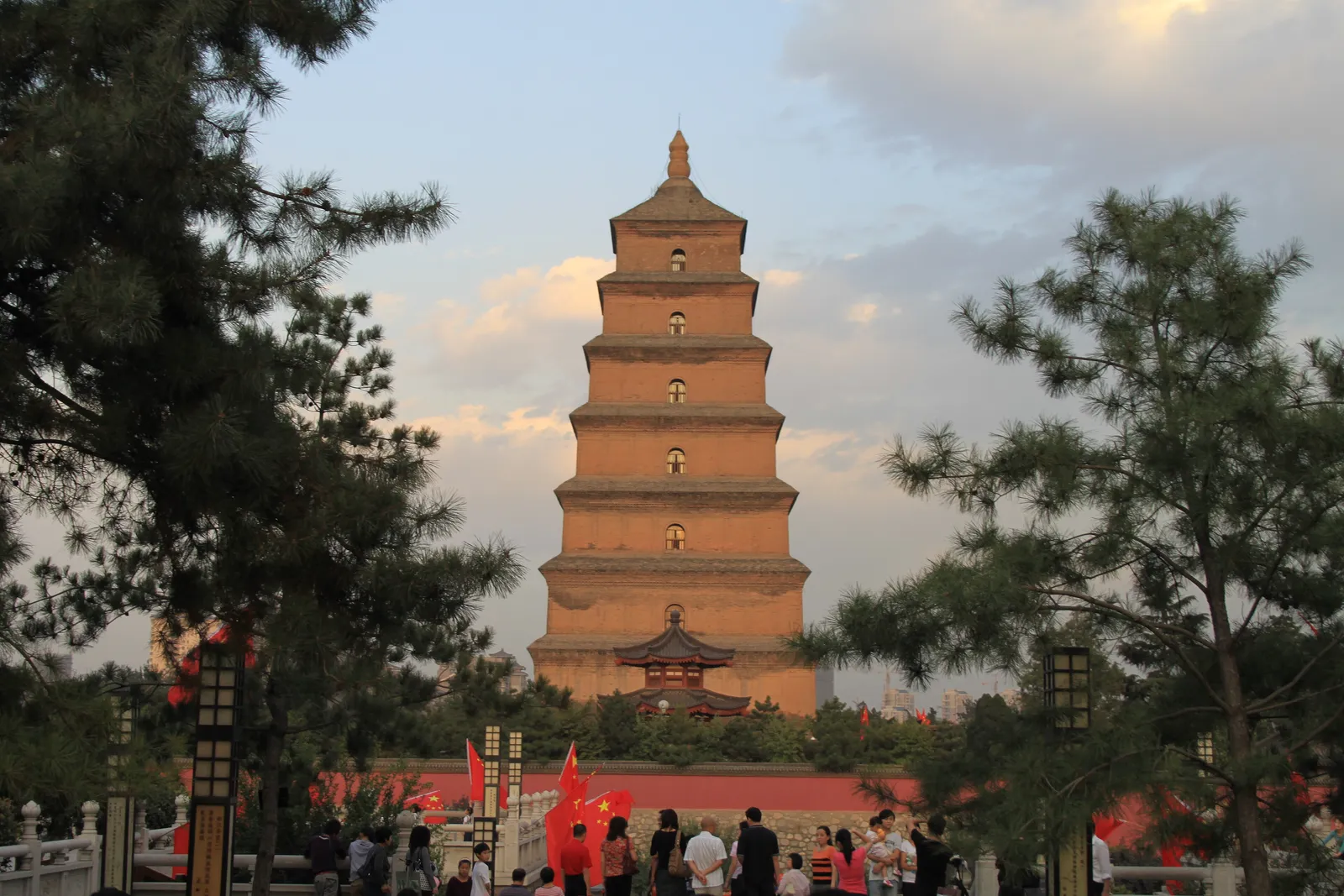
Where to see it in China
 Xi'anBig Wild Goose Pagoda 大雁塔The pagoda built in 652 to keep the scriptures he brought from India; his statue stands on the square in front.
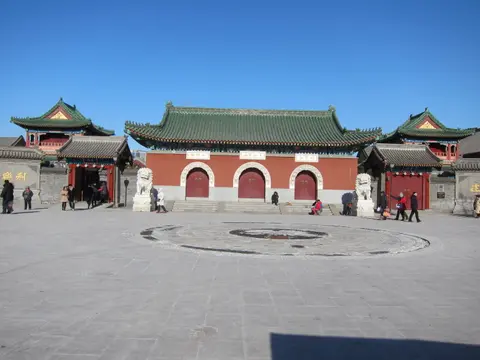 TianjinDabei Monastery (Dabeiyuan) 大悲禅院Tianjin’s largest working Buddhist monastery, with a memorial hall dedicated to him.
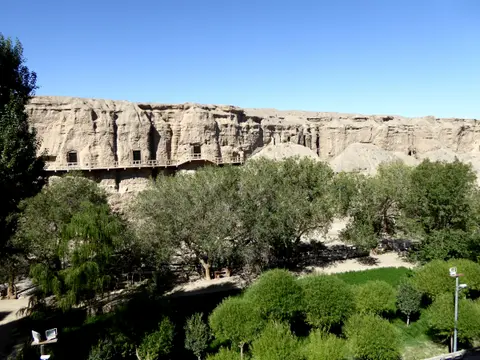 DunhuangYulin Grottoes 榆林窟Western Xia murals here include some of the earliest known paintings of the pilgrim monk travelling with a monkey-like companion.
Where we mention it
Related entries
Sources
- Xuanzang — Wikipedia (en.wikipedia.org)
- Xuanzang — Encyclopaedia Britannica (britannica.com)
- Xuanzang (Hsuan-tsang) — Internet Encyclopedia of Philosophy (iep.utm.edu)