
Chinese tea culture
中国茶文化Zhōngguó chá wénhuà
China is where tea was first grown and drunk; each region has its own leaf, from Hangzhou’s Longjing to Yunnan’s pu’er, and its own way of drinking it.
Tea comes from the leaves of the tea plant, native to south-west China; legend credits its discovery to the mythical ruler Shennong, but written records of tea cultivation in China go back well over 1,500 years. Under the Tang dynasty the scholar Lu Yu wrote The Classic of Tea, the first book devoted to tea, and drinking it became part of daily life across the country. Chinese tea is grouped into six main types — green, white, yellow, oolong, black (called “red tea”, hongcha, in Chinese) and dark tea such as pu’er — and each region is proud of its own. Along the old Tea Horse Road, caravans carried tea from Yunnan and Sichuan to Tibet, where it was traded for horses. Today you can sip green tea from a glass in a Chengdu teahouse, watch an unhurried gongfu tea session with tiny cups, or pick leaves on a hillside farm in spring.
Also known as: Cha wenhua
Where to see it in China
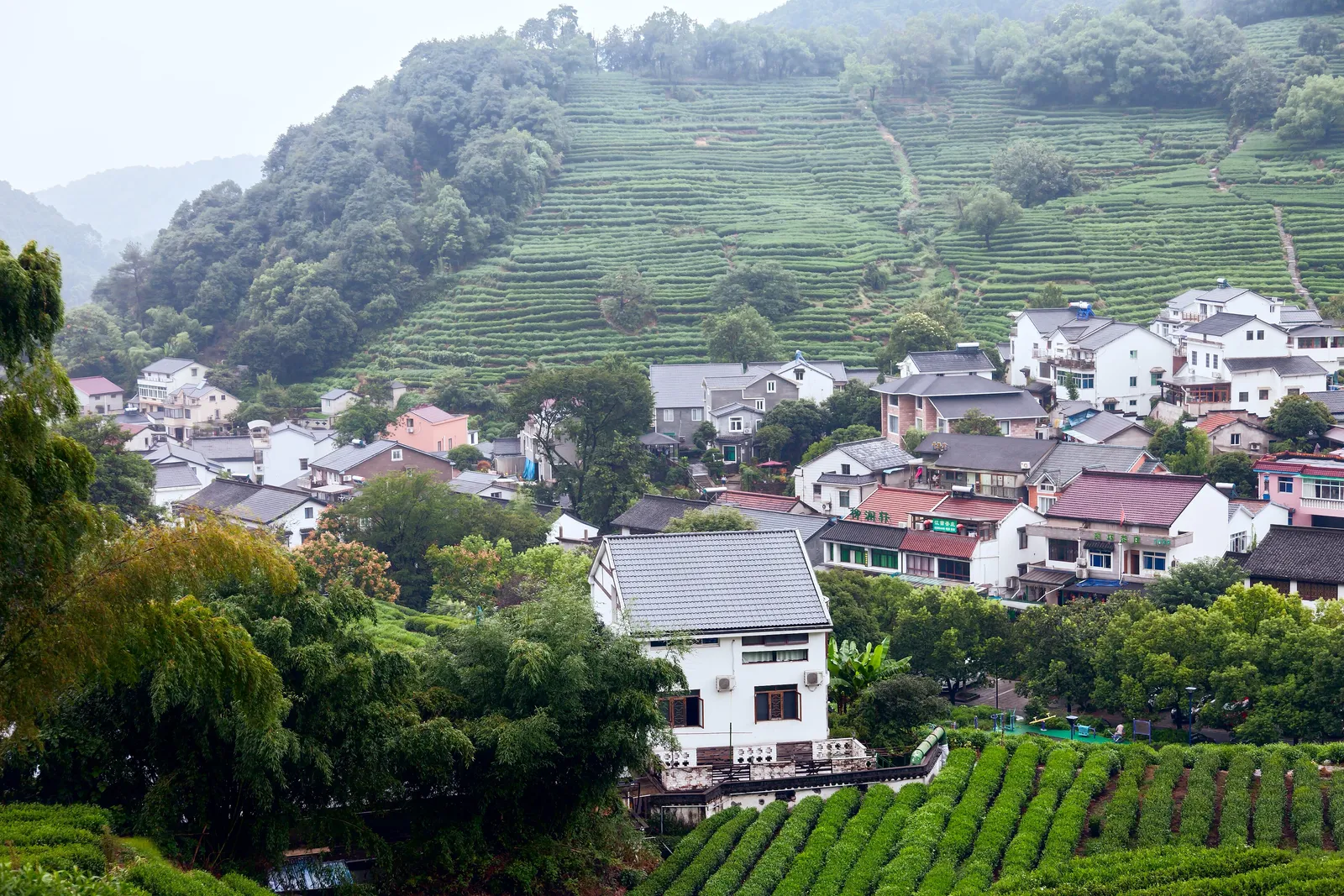
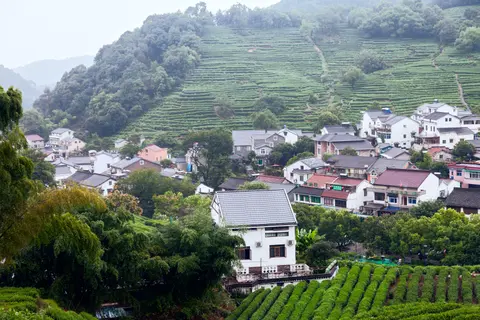 HangzhouLongjing tea village 龙井村Hillside terraces where Longjing (Dragon Well) green tea is grown; picking season is late March to April.
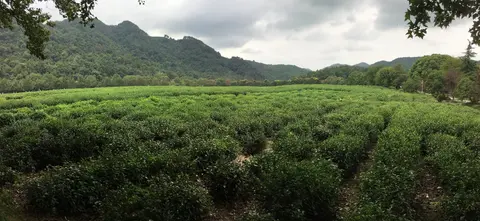 HangzhouChina National Tea Museum 中国茶叶博物馆China’s national tea museum: tea history, tea ware and how Longjing is made, among tea bushes.
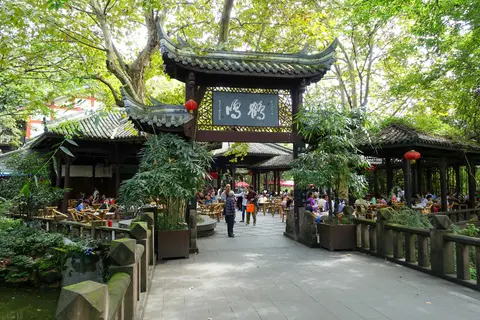 ChengduPeople’s Park and Heming Teahouse 人民公园鹤鸣茶社Chengdu’s open-air teahouse culture: a cup of tea, free hot-water refills and an afternoon of people-watching.XishuangbannaNannuo Mountain (tea villages) 南糯山An old pu’er tea mountain with Hani villages and centuries-old tea trees.
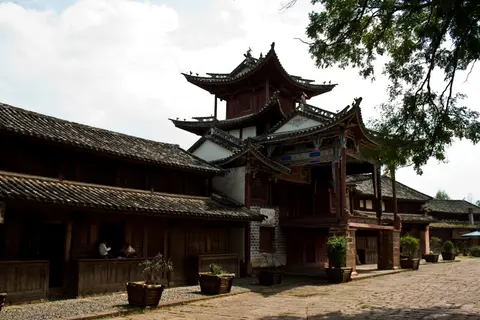 DaliShaxi Ancient Town 沙溪古镇(寺登街)A caravan market town on the old Tea Horse Road, with its market square still intact.
Where we mention it
Related entries
Sources
- Traditional tea processing techniques and associated social practices in China — UNESCO Intangible Cultural Heritage (ich.unesco.org)
- Tea — Encyclopaedia Britannica (summary) (britannica.com)
- Chinese tea culture — Wikipedia (en.wikipedia.org)