
Fujian Tulou
福建土楼Fújiàn tǔlóuBuilt from the 15th to the 20th century
Huge round or square earthen fortress-houses in the hills of south-west Fujian, each home to a whole clan; a UNESCO World Heritage site since 2008.
Tulou (“earthen buildings”) are the communal homes built by Hakka and Minnan (Hokkien) families in the remote hills of south-west Fujian, mostly in Yongding and Nanjing counties. Their outer walls of rammed earth can be well over a metre thick, with few windows low down and usually one main gate, which made them easy to defend. Inside, rings of rooms several storeys high face an open courtyard, often with an ancestral hall at the centre; traditionally kitchens were on the ground floor, grain stores above and bedrooms higher up. A single large tulou could house hundreds of people from one clan. In 2008 UNESCO listed 46 of them, built between the 15th and 20th centuries, as the Fujian Tulou World Heritage site; many are still lived in and open to visitors, usually as a long day trip by road from Xiamen.
Also known as: Hakka roundhouses · Fujian earthen buildings
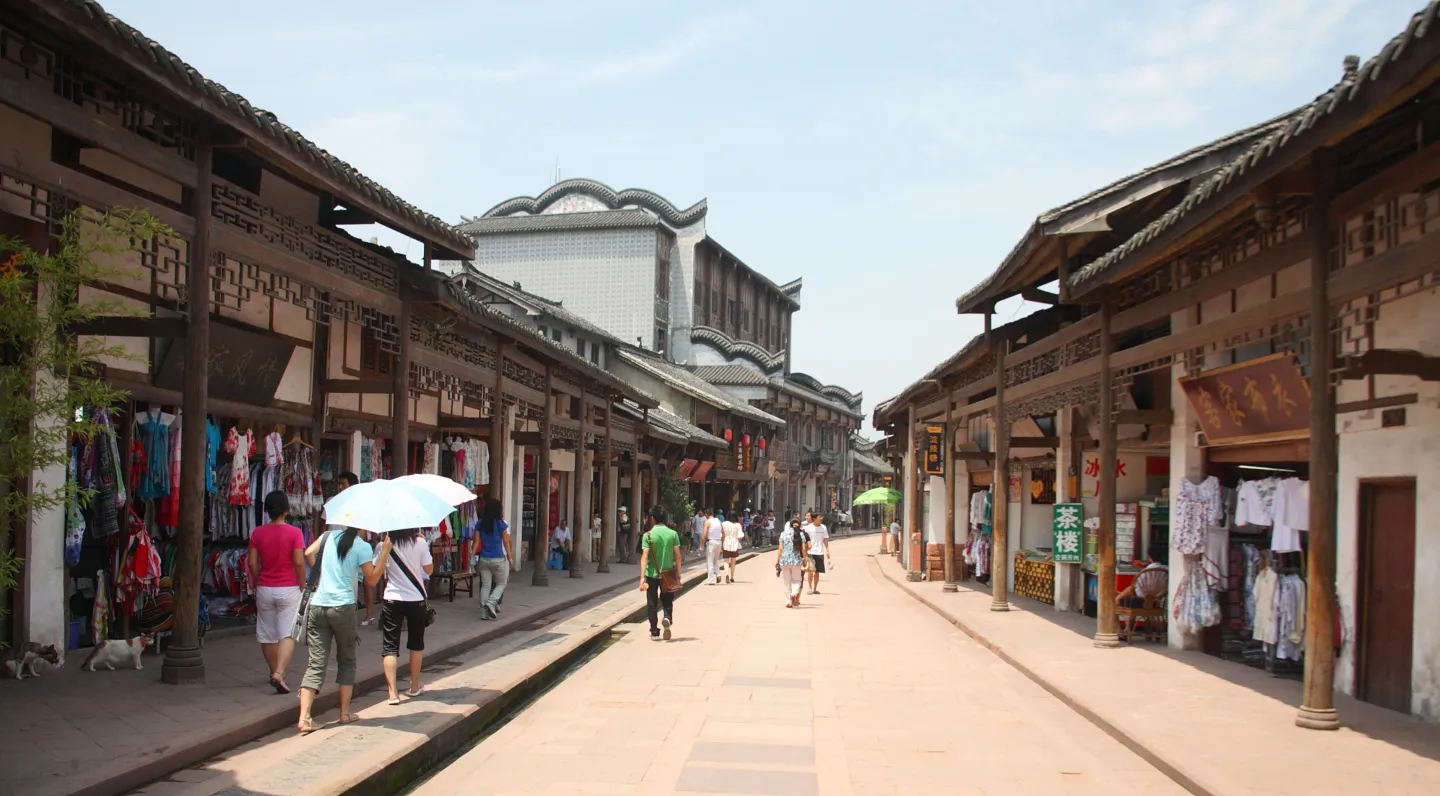
Where to see it in China
 ChengduLuodai Hakka Town 洛带古镇Far from Fujian, this Hakka migrant town near Chengdu has a round earth building in the tulou style; it is not part of the UNESCO site.
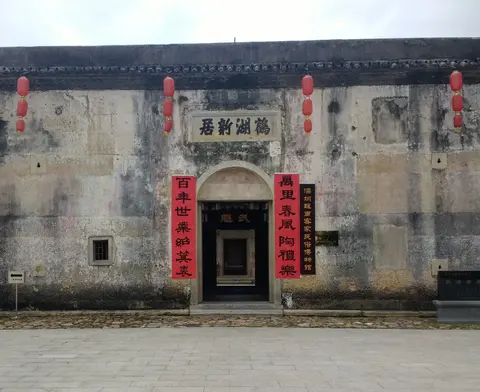 ShenzhenCrane Lake Hakka walled house (Longgang Hakka Museum) 鹤湖新居(龙岗客家民俗博物馆)Not a tulou but a related Hakka building type: a Qing-dynasty fortified family compound with watchtowers, now a museum of Hakka life.
Related entries
Sources
- Fujian Tulou — UNESCO World Heritage Centre (whc.unesco.org)
- Fujian tulou — Wikipedia (en.wikipedia.org)