
Feng shui
风水fēngshuǐ
The traditional Chinese practice of siting houses, palaces, cities and tombs in harmony with hills, water and the flow of qi.
Feng shui (“wind and water”) is a traditional Chinese practice for choosing and arranging sites for houses, temples, cities and graves so that they sit in harmony with the land and its unseen flow of energy, called qi. It is a belief system rather than a science, but for centuries it shaped what you see on the ground. The classic ideal is a site that faces south, sheltered by hills behind and on both sides, with water flowing in front; feng shui masters used a special compass, the luopan, to fine-tune directions. You can read it in the Ming Tombs, set in a valley ringed by mountains, in the south-facing Forbidden City with Jingshan hill behind it, and in old villages laid out around ponds and streams. Many people in China still consider feng shui when buying a flat, opening a shop or choosing a burial plot.
Also known as: Fengshui
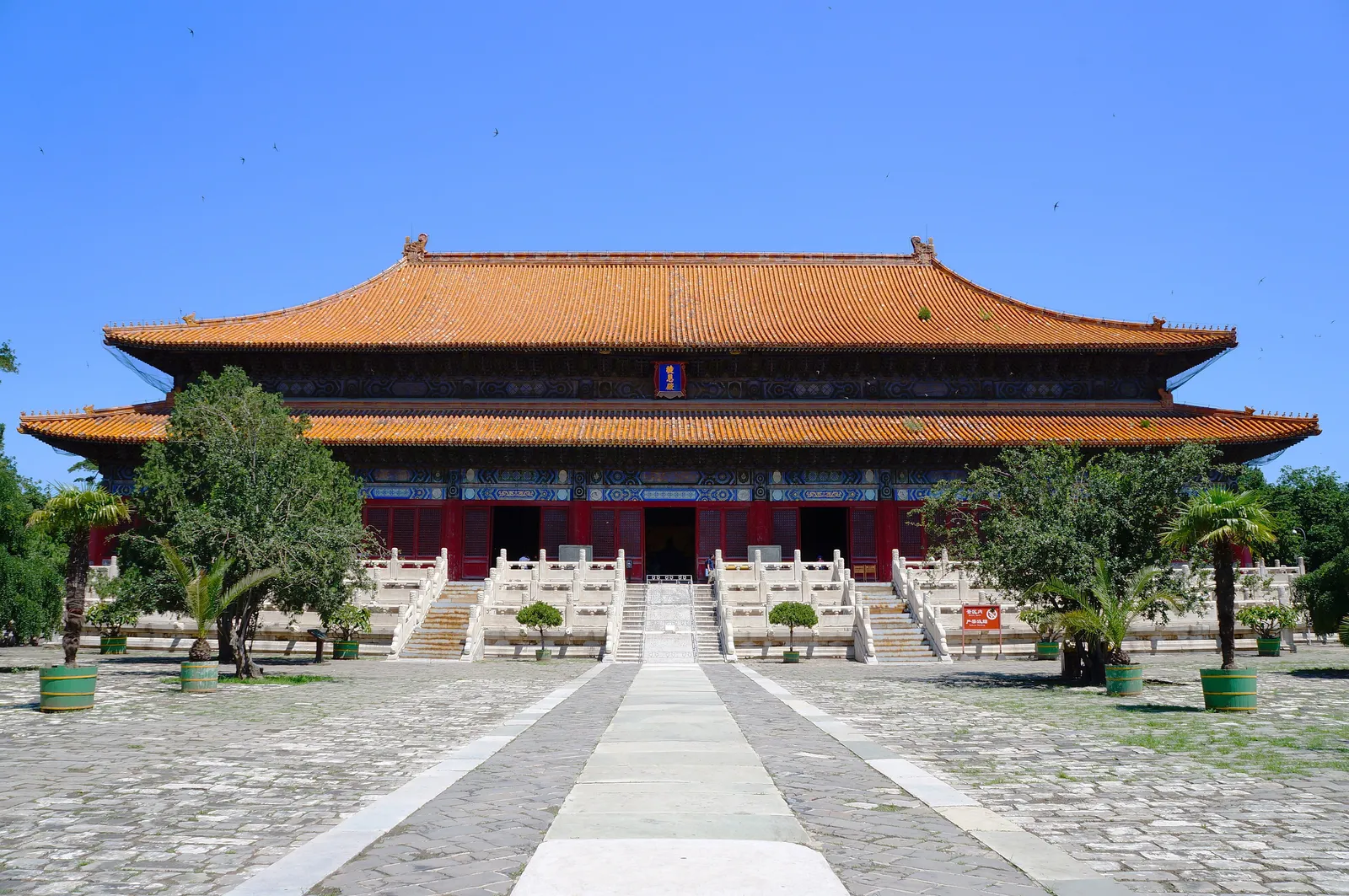
Where to see it in China
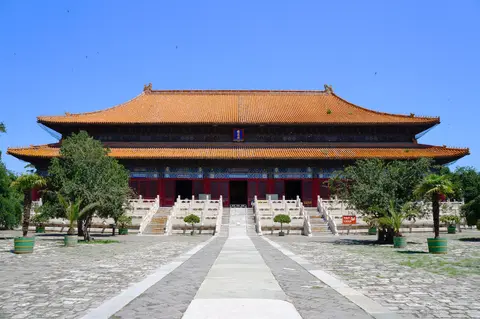 BeijingMing Tombs 明十三陵Thirteen Ming emperors buried in a valley chosen for its sheltering ring of mountains, approached by the Sacred Way.
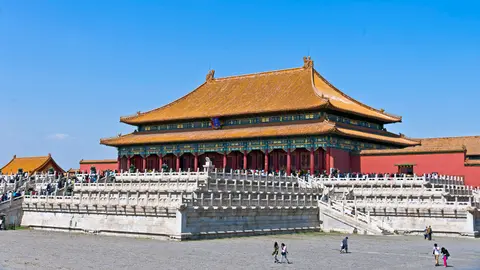 BeijingForbidden City (Palace Museum) 故宫博物院The palace faces south along Beijing’s central axis, with the Golden Water River in front and Jingshan hill behind.
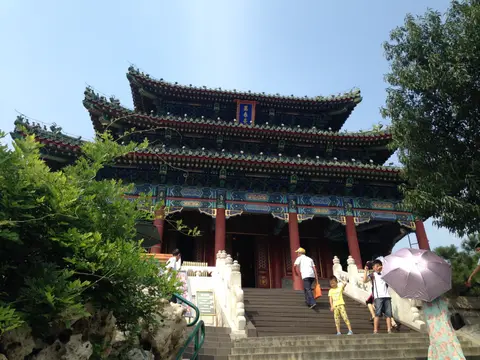 BeijingJingshan Park 景山公园The artificial hill raised north of the palace, traditionally seen as its protective “mountain” behind; great view over the roofs.
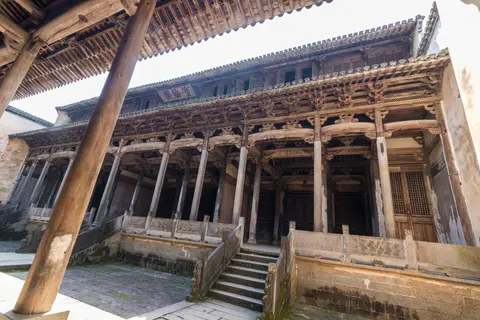 HuangshanChengkan village 呈坎A large Huizhou village laid out by feng shui principles between two rivers and hills.
Related entries
Sources
- Imperial Tombs of the Ming and Qing Dynasties — UNESCO World Heritage Centre (whc.unesco.org)
- Fengshui — Encyclopaedia Britannica (britannica.com)
- Feng shui — Wikipedia (en.wikipedia.org)