
Chinese silk
中国丝绸Zhōngguó sīchóu
A fabric made from silkworm cocoons, invented in China in the Neolithic and long produced mainly there: the luxury behind the Silk Road.
Silk is a fine thread unwound from the cocoons of the mulberry silkworm and woven into cloth, and it was first made in China. The oldest known silk fabric is about 5,600 years old, and tradition credits Empress Leizu, wife of the legendary Yellow Emperor, with discovering how to reel it, though that is a legend. Silk-making stayed largely in China for a long time, though the techniques reached neighbouring regions fairly early, and bolts of silk served as gifts, tribute and even currency; it gave its name to the Silk Road, although many other goods travelled there too. Later the knowledge spread to India and the Mediterranean, and monks are said to have smuggled silkworm eggs to Byzantium in hollow canes around AD 550. Today you can follow silk through museums in Hangzhou and Suzhou, in the Han tombs of Changsha and in the desert tombs of Turpan.
Also known as: Sericulture
Where to see it in China
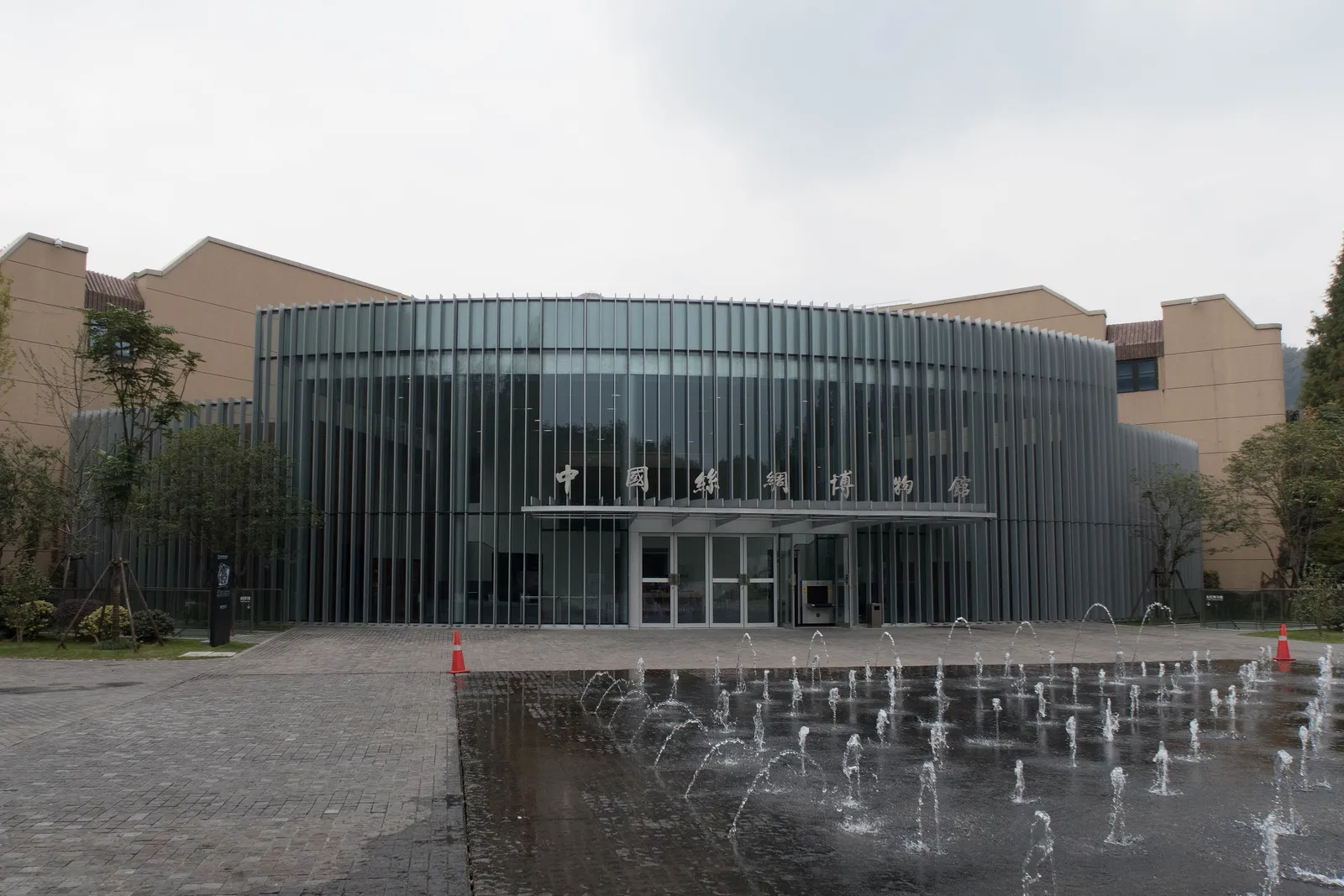
 HangzhouChina National Silk Museum 中国丝绸博物馆A large free museum on silk: 5,000 years of Chinese textiles, the Silk Road, silkworm-rearing and weaving crafts, and a textile conservation gallery.
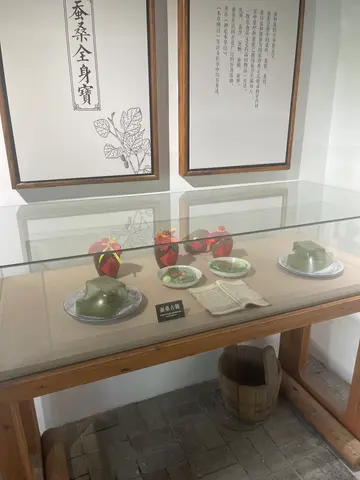 SuzhouSuzhou Silk Museum 苏州丝绸博物馆A small free museum on Suzhou’s silk history, with live silkworms, old looms and weavers at work.
 ChangshaHunan Museum 湖南博物院Home of the Mawangdui Han tombs finds: the 2,100-year-old body of Lady Xin Zhui, a silk robe lighter than 50 grams, lacquerware and silk paintings.
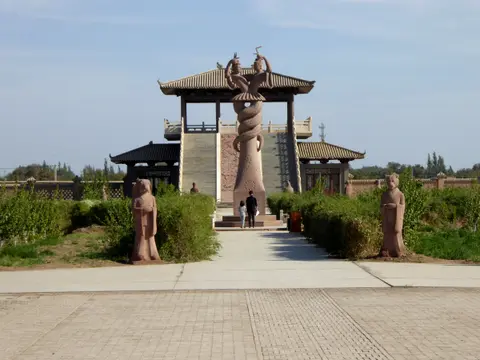 TurpanAstana Tombs 阿斯塔那古墓群The cemetery of Gaochang’s residents from about the 3rd to the 8th century, where the dry climate preserved bodies, silk, paintings and paper documents.
Where we mention it
Related entries
Sources
- Silk — Wikipedia (en.wikipedia.org)
- Silk — World History Encyclopedia (worldhistory.org)
- China National Silk Museum (chinasilkmuseum.com)