
Chinese embroidery
中国刺绣Zhōngguó cìxiù
Decorative needlework on silk and cotton, with four famous regional schools led by Suzhou, and bold traditions among peoples such as the Miao.
Chinese embroidery is decorative needlework, and early examples date from the 5th to 3rd centuries BC. Its four great regional styles are Suzhou (Su), Hunan (Xiang), Guangdong (Yue) and Sichuan (Shu), all listed as national intangible heritage. Suzhou is known for double-sided work, where the design shows on both faces of the cloth with no visible knots or thread ends. Outside the big schools, festival dress among peoples such as the Miao carries its own rich needlework. When buying, ask whether a piece is hand or machine stitched: it makes a large difference to the price.
Where to see it in China
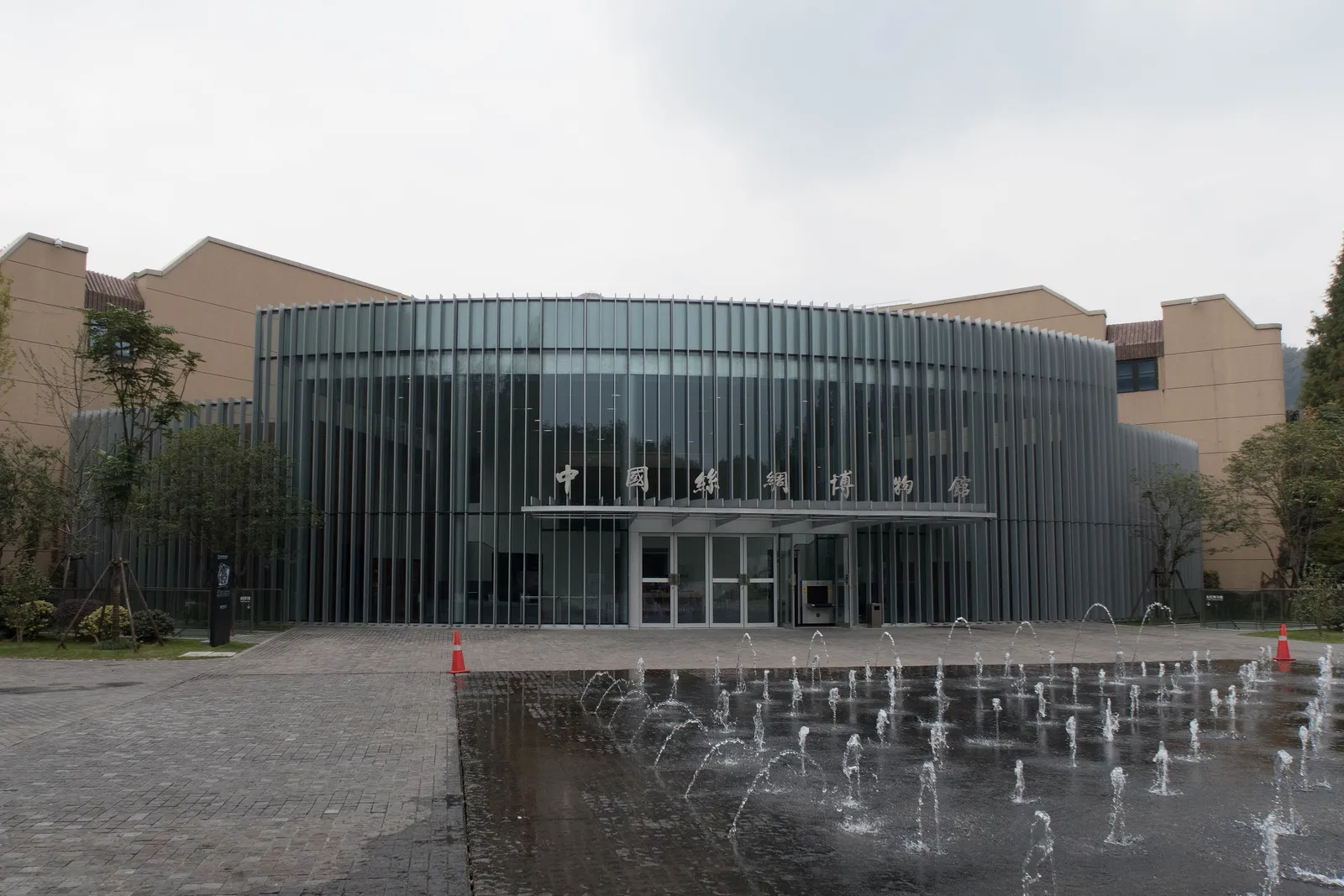
 HangzhouChina National Silk Museum 中国丝绸博物馆A large free museum of Chinese textiles and silk crafts; an embroidery show runs until 16 November 2026, so check what follows it.
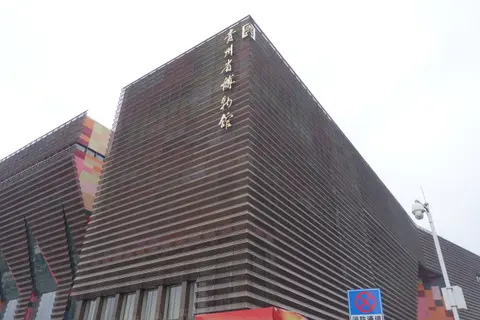 GuiyangGuizhou Provincial Museum 贵州省博物馆Strong on Miao and Dong embroidery, silver and festival costumes; a good first stop before the villages.FenghuangShanjiang and Laodong Miao villages 山江苗寨(老洞苗寨一带)Miao hill villages where you can see embroidery in daily life; buy directly from the makers and ask before taking photos.
Related entries
Arts and craftsChinese silk 中国丝绸A fabric made from silkworm cocoons, invented in China in the Neolithic and long produced mainly there: the luxury behind the Silk Road.Ideas and beliefsMiao people 苗族A people of the hills of Guizhou and neighbouring provinces, famous for silver headdresses, embroidery, indigo batik and wooden stilt-house villages.Arts and craftsThangka 唐卡A Tibetan Buddhist painting on cloth, mounted in silk so it can be rolled up, showing Buddhas, deities, mandalas or even medical charts.
Sources
- Chinese embroidery, Wikipedia (en.wikipedia.org)
- Suzhou embroidery, Wikipedia (en.wikipedia.org)
- China National Silk Museum (official site, exhibitions) (chinasilkmuseum.com)
- Sericulture and silk craftsmanship of China, UNESCO Intangible Cultural Heritage (ich.unesco.org)