
Thangka
唐卡tángkǎ
A Tibetan Buddhist painting on cloth, mounted in silk so it can be rolled up, showing Buddhas, deities, mandalas or even medical charts.
A thangka is a painting on cotton or silk, framed in brocade and rolled up for storage or travel, that has been made in Tibet and across the Tibetan Buddhist world for more than a thousand years. Painters work with mineral and plant pigments, sometimes with gold, and follow strict grids of proportion so that each Buddha or deity is drawn according to tradition. Thangkas were used for worship and teaching, to show mandalas, the lives of great teachers and, in Tibetan medicine, the body, its channels and healing plants. Some are woven, embroidered or made of appliqué, and very large ones are unrolled on hillsides at monastery festivals. The Regong school of Tongren in Qinghai is listed by UNESCO as intangible heritage; if you buy one, ask whether it is hand-painted or printed, and in temples follow the signs on photography.
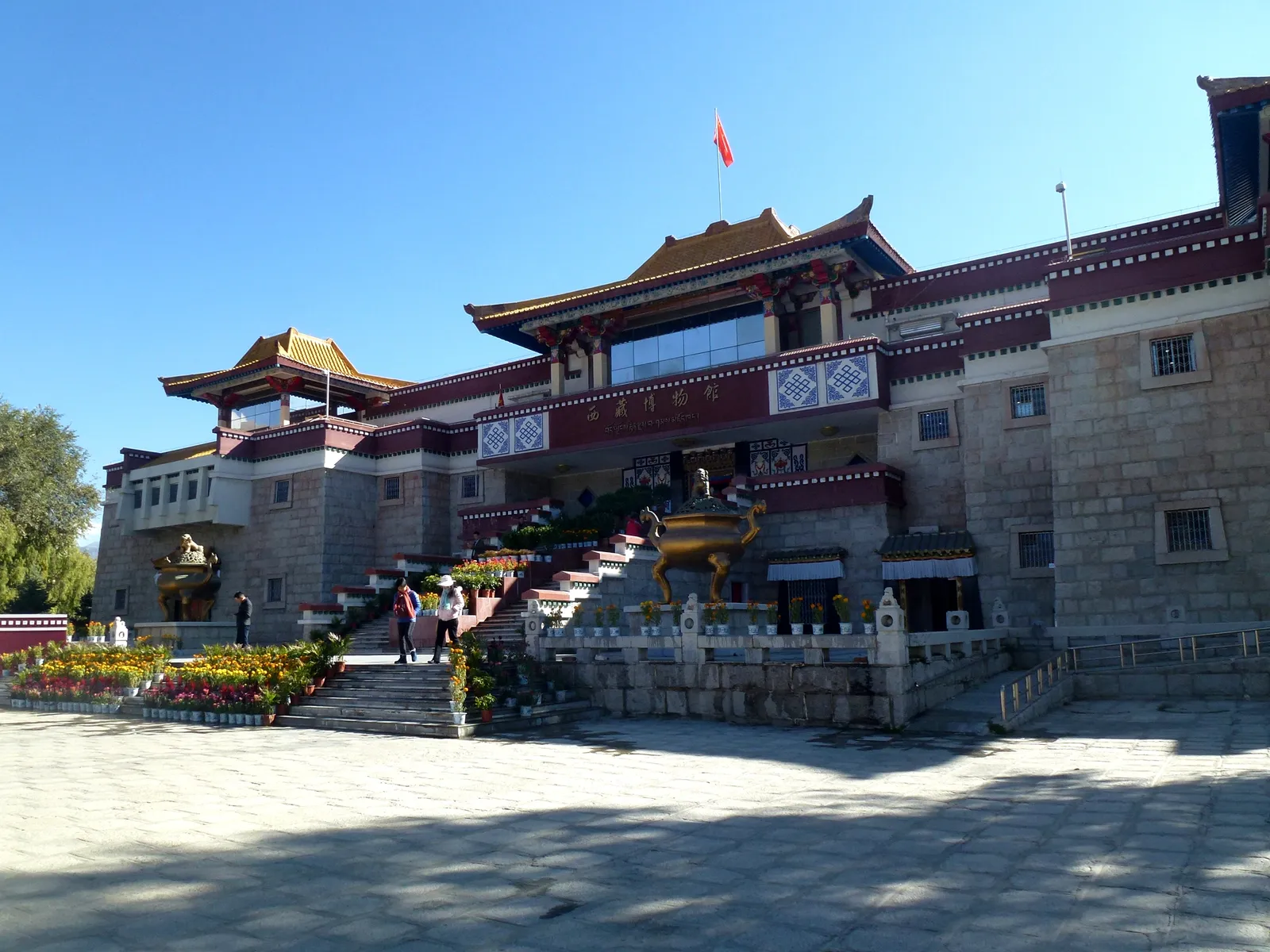
Where to see it in China
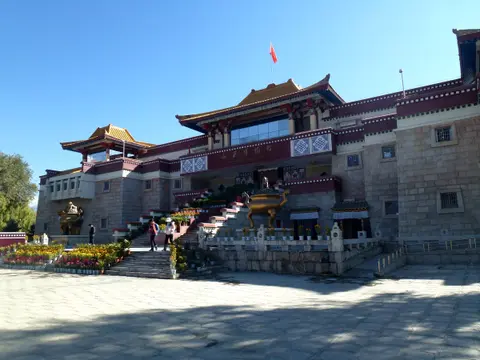 LhasaTibet Museum 西藏博物馆A large modern museum of Tibetan art and daily life, with thangka paintings, statues and manuscripts.
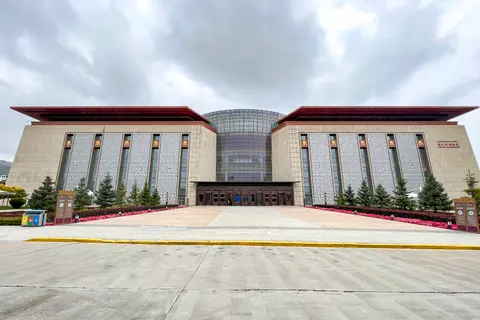 XiningTibetan Medicine Culture Museum 青海藏医药文化博物馆A museum of Tibetan medicine with medical thangkas and a 618-metre painted scroll of Tibetan history and culture.
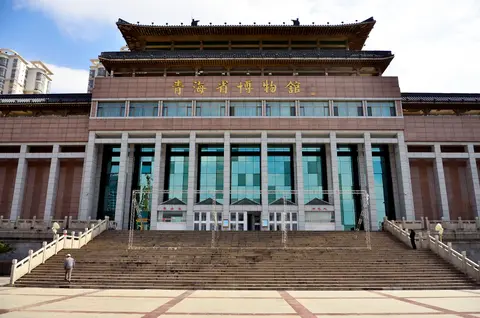 XiningQinghai Provincial Museum 青海省博物馆A free museum whose galleries include Tibetan Buddhist art from the plateau.
Where we mention it
Related entries
Sources
- Regong arts — UNESCO Intangible Cultural Heritage (ich.unesco.org)
- Thangka — Wikipedia (en.wikipedia.org)
- Tibet Museum — Wikipedia (en.wikipedia.org)