
Tibetan people
藏族Zàngzú
The people of the Tibetan Plateau, from Lhasa to Qinghai, western Sichuan and north-west Yunnan, known for Tibetan Buddhism, butter tea and pilgrim circuits.
The Tibetan people live mainly on the high Tibetan Plateau, from Lhasa to the grasslands of Qinghai and the mountains of western Sichuan and north-west Yunnan around Shangri-La. They speak Tibetan dialects and write a script created in the 7th century, and most follow Tibetan Buddhism, and its great temples and monasteries, such as the Jokhang Temple in Lhasa and Kumbum Monastery near Xining, are among the finest buildings of the plateau. High-altitude life shaped the culture: yak herding, whitewashed houses with prayer flags on the roof, butter tea and tsampa, roasted barley flour rolled into balls by hand. Art and learning include thangka scroll paintings and a long tradition of Tibetan medicine, and Tibetan opera is on UNESCO’s list of intangible heritage. In Lhasa’s tea houses you can try sweet milk tea by the glass, Tibetan noodles and dishes of yak meat.
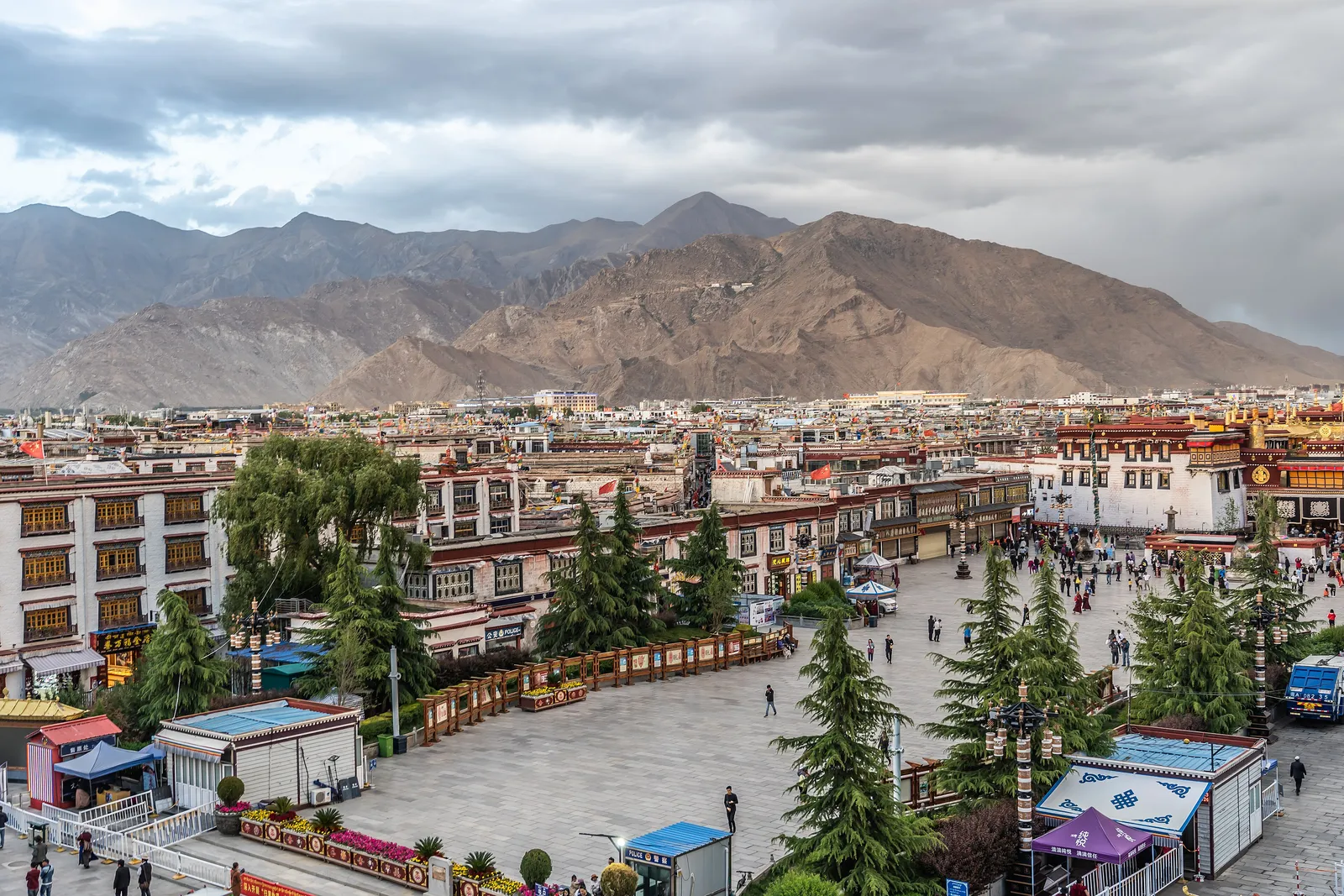
Where to see it in China
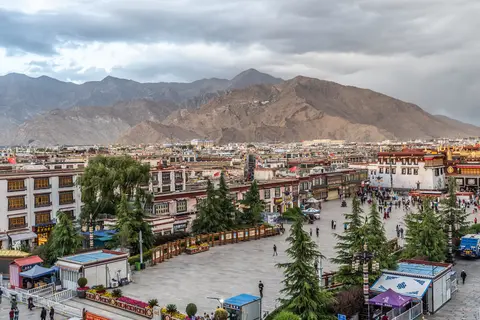 LhasaBarkhor Street 八廓街The pilgrim circuit around the Jokhang: walk it clockwise with the pilgrims and stop in a sweet-tea house.
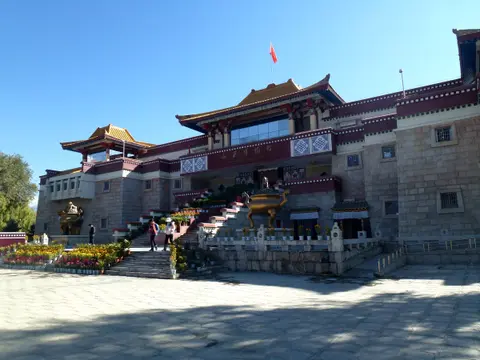 LhasaTibet Museum 西藏博物馆A large museum of Tibetan art and daily life: thangkas, statues, manuscripts, costumes and crafts.
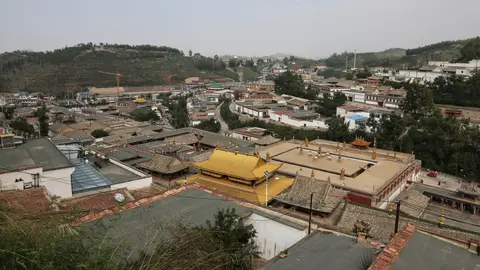 XiningKumbum Monastery (Ta’er Si) 塔尔寺One of the six great Gelug monasteries, at the birthplace of Tsongkhapa; famous for its yak-butter sculptures.
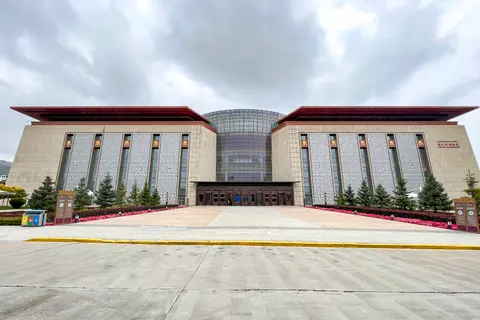 XiningTibetan Medicine Culture Museum 青海藏医药文化博物馆Medical thangkas, herbs and instruments, and a 618-metre painted scroll of Tibetan history and culture.
Where we mention it
Related entries
Sources
- Tibetan people — Wikipedia (en.wikipedia.org)
- Historic Ensemble of the Potala Palace, Lhasa — UNESCO World Heritage Centre (whc.unesco.org)
- Tibetan opera — UNESCO Intangible Cultural Heritage (ich.unesco.org)