
Mencius
孟子Mèngzǐc. 371–c. 289 BC
The Confucian thinker (c. 371–c. 289 BC) who taught that human nature is good, honoured as the Second Sage after Confucius.
Mencius, born Meng Ke in the state of Zou (today’s Zoucheng in Shandong), lived about a century after Confucius and is said to have studied in the line of Confucius’s grandson Zisi. He travelled between states advising rulers to govern through kindness rather than force, and taught that people have inborn tendencies toward goodness that must be cultivated. A traditional story says his mother moved house three times, leaving a cemetery and a market until they lived beside a school. In the Song dynasty Zhu Xi made the book of his sayings one of the Four Books, which students memorised for the imperial examinations until they ended in the early 20th century. Zoucheng is an easy half day from Qufu, and the two towns together cover the main sites of early Confucianism.
Also known as: Meng Ke
Where to see it in China
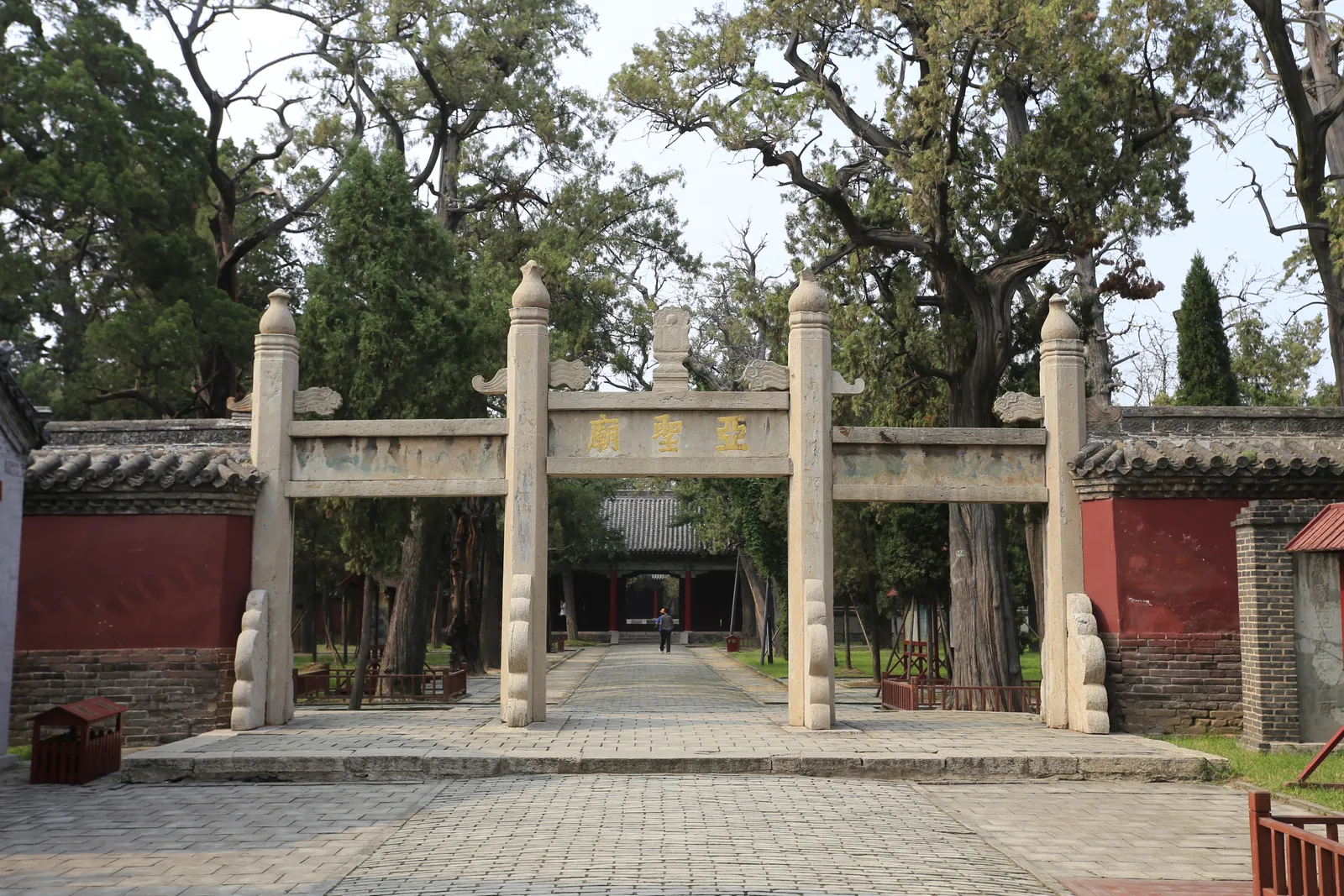
 QufuTemple and Mansion of Mencius (Zoucheng) 孟庙、孟府His temple and his descendants’ mansion in Zoucheng. Look for the Hall of Mencius’s Mother and the main hall, rebuilt in 1673.
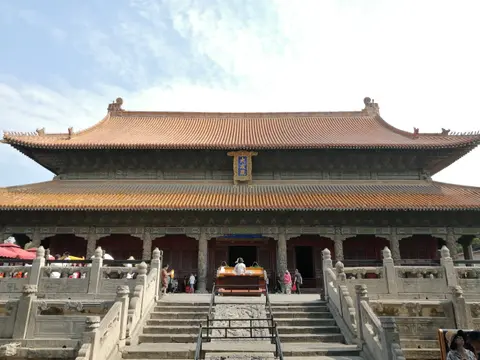 QufuTemple of Confucius 孔庙Mencius is one of the Four Correlates, the four figures given places of honour beside Confucius in Confucian temples.
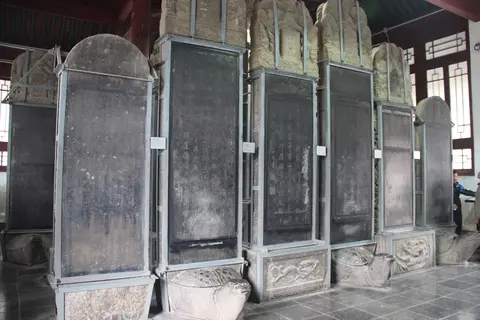 Xi'anBeilin Museum (Forest of Stone Steles) 西安碑林博物馆The stone classics here include the Mencius, carved in the Kangxi era and added to make thirteen classics.QufuMeng Lin (Mencius Cemetery) 孟林His tomb, in the Mencius family forest
Where we mention it
Related entries
Sources
- Mencius: Stanford Encyclopedia of Philosophy (plato.stanford.edu)
- Mencius: Wikipedia (en.wikipedia.org)
- Four Sages: Wikipedia (en.wikipedia.org)