
Confucianism
儒家思想rújiā sīxiǎng
The tradition of ethics, ritual and education built on the teachings of Confucius, which shaped Chinese government, schools and families for 2,000 years.
Confucianism is the tradition of ethics, ritual and education that grew from the teachings of Confucius and his followers, with a stress on family duty, good conduct and learning. It was suppressed under the Qin and then flourished under the Han, when it became the leading framework for government. A reworked form known as Neo-Confucianism became central to the imperial examinations and to scholar-officials from the Song dynasty on, and state support faded after the exams ended in 1905. It also spread to Korea, Japan and Vietnam. Travellers meet it in Confucius temples, old academies and the classics carved in stone: these are places of rites and teaching, so visit them as you would a quiet school or memorial.
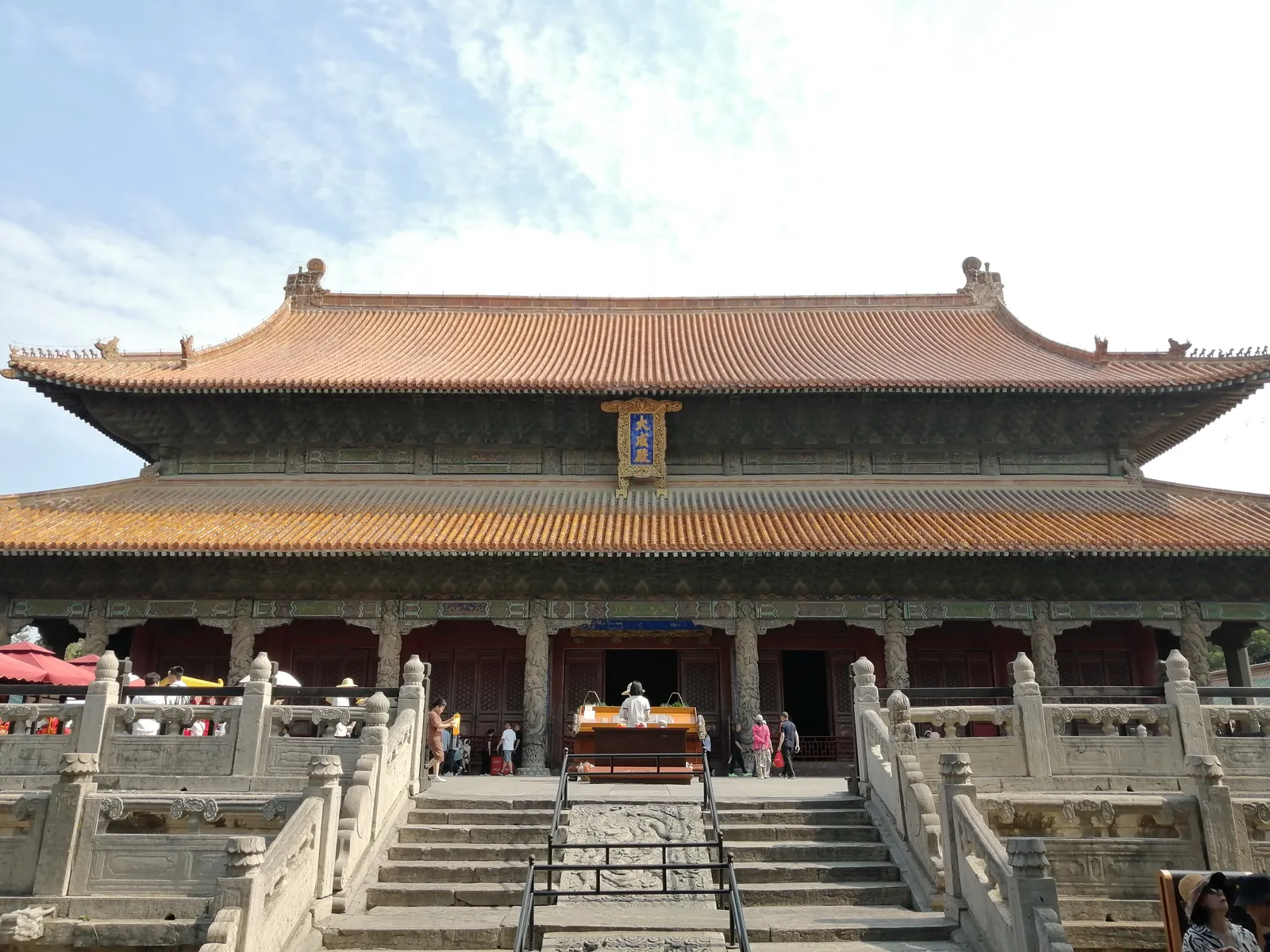
Where to see it in China
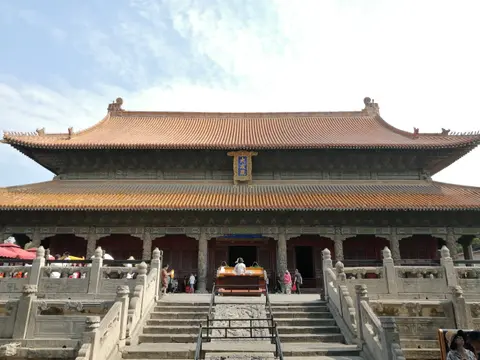 QufuTemple of Confucius 孔庙The largest temple to Confucius: nine courtyards of gates and stele pavilions leading to Dacheng Hall.
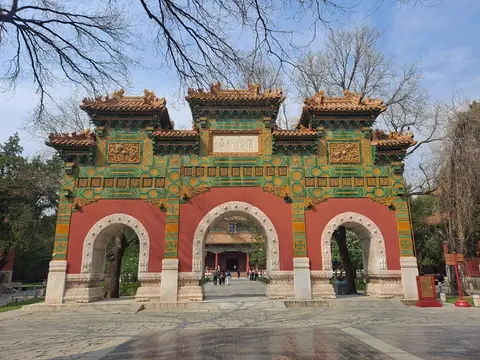 BeijingConfucius Temple and Imperial Academy 孔庙和国子监博物馆The imperial temple beside the empire’s highest school, with 189 stone tablets of the classics and lists of exam graduates.
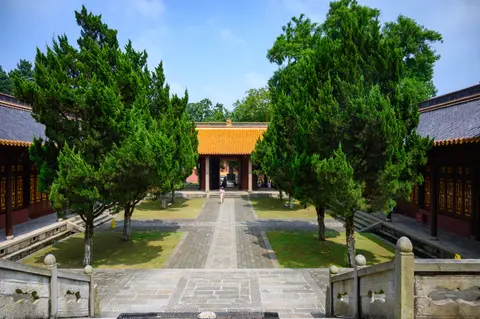 ChangshaYuelu Academy 岳麓书院One of China’s four great academies, teaching since 976; the Song scholar Zhu Xi lectured here.
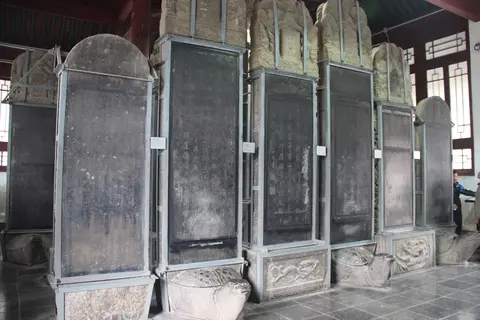 Xi'anBeilin Museum (Forest of Stone Steles) 西安碑林博物馆Halls of carved stone tablets that include the Confucian classics.
Where we mention it
Related entries
Sources
- Confucius, Stanford Encyclopedia of Philosophy (plato.stanford.edu)
- Confucianism, Wikipedia (en.wikipedia.org)
- Neo-Confucianism, Wikipedia (en.wikipedia.org)
- Yuelu Academy, Wikipedia (en.wikipedia.org)