
Zhu Xi
朱熹Zhū Xī1130–1200
The Song scholar (1130–1200) who reshaped Confucian thought. His commentaries on the Four Books were the core of the imperial exams from 1313 to 1905.
Zhu Xi was born in Youxi (尤溪), Fujian, in 1130 and passed the highest imperial examination at just 19. He grouped the Analects, the Mencius, the Great Learning and the Doctrine of the Mean as the Four Books, and wrote commentaries on them. From 1313 to 1905 those commentaries were the basis of the imperial examinations, so his reading of Confucius shaped generations of officials. He also revived old academies, including the White Deer Grotto Academy in 1179, and lectured at Yuelu Academy in Changsha. For travellers his country is the Wuyi Mountains in northern Fujian, often called the cradle of this school of Confucian thought, where he grew up, taught and wrote.
Also known as: Zhu Zi
Where to see it in China
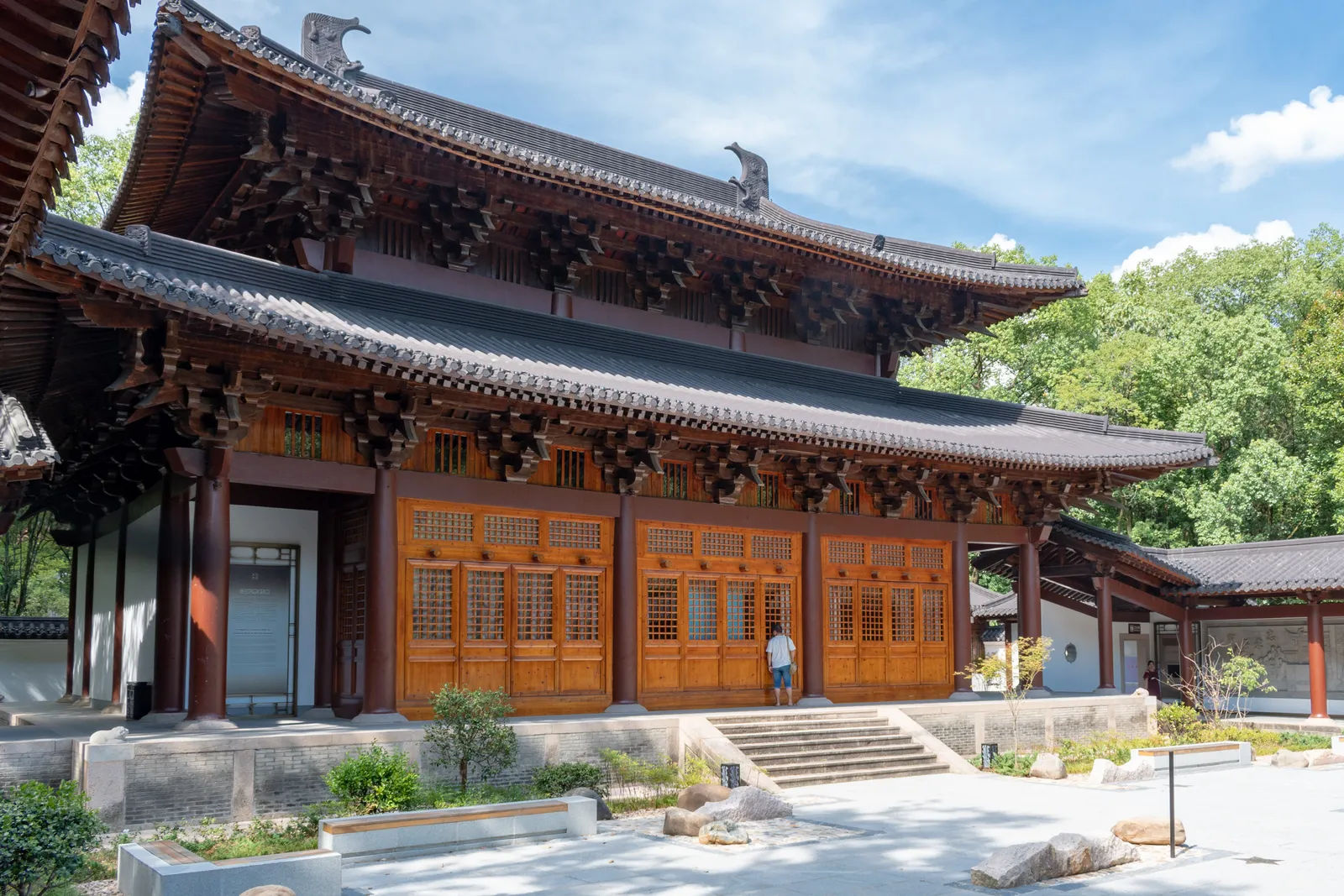
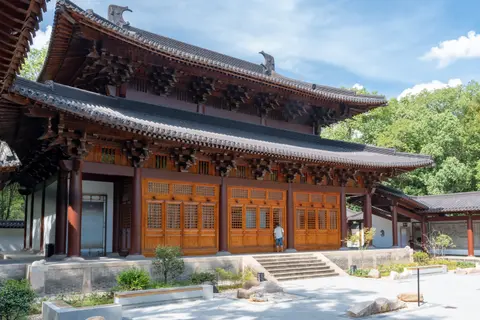 WuyishanWuyi Palace and Song Street 武夷宫An old Taoist palace at the foot of Great King Peak with a memorial hall to Zhu Xi, close to where the rafts finish.
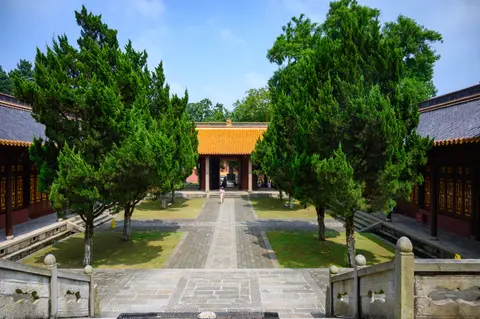 ChangshaYuelu Academy 岳麓书院One of China’s four great academies, where Zhu Xi and Zhang Shi lectured. Its courtyards and lecture halls are still part of a university.
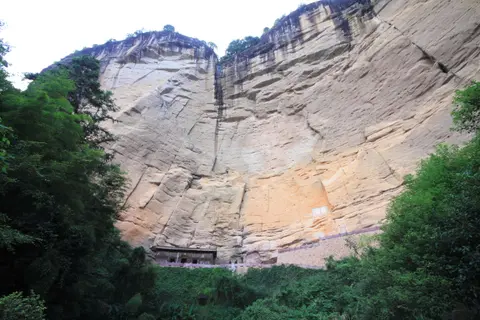 WuyishanWater Curtain Cave 水帘洞Under the huge overhang stands the Three Worthies shrine to Song scholars, Zhu Xi among them.
Where we mention it
Related entries
Sources
- Zhu Xi: Stanford Encyclopedia of Philosophy (plato.stanford.edu)
- Zhu Xi: Wikipedia (en.wikipedia.org)
- Wuyi Mountains: Wikipedia (en.wikipedia.org)
- Yuelu Academy: Wikipedia (en.wikipedia.org)