
Chinese bronzes
青铜器qīngtóngqì
Ritual vessels, bells and weapons cast in bronze from about 1900 BC, used by Shang and Zhou rulers to make offerings to their ancestors.
China’s Bronze Age began around 1900 BC, and the earliest bronze ritual vessels have been found at Erlitou near Luoyang, a site often linked to the semi-legendary Xia dynasty. Under the Shang (about 1600–1046 BC) and Zhou (1046–256 BC), rulers and nobles offered food and wine to their ancestors in sets of bronze vessels such as the three-legged ding cauldron, and the number of vessels a family could own showed its rank. Early Chinese casters worked mainly with clay piece-moulds, which let them cast bold animal masks (taotie) and, in the Zhou period, long inscriptions recording grants and victories. Other cultures made bronzes of their own, from the startling masks of Sanxingdui in Sichuan to the lively figures of the Dian kingdom in Yunnan. Most major Chinese museums have a bronze gallery; the Hubei Provincial Museum’s set of 65 chime bells from the tomb of Marquis Yi of Zeng (about 433 BC) is one of the highlights.
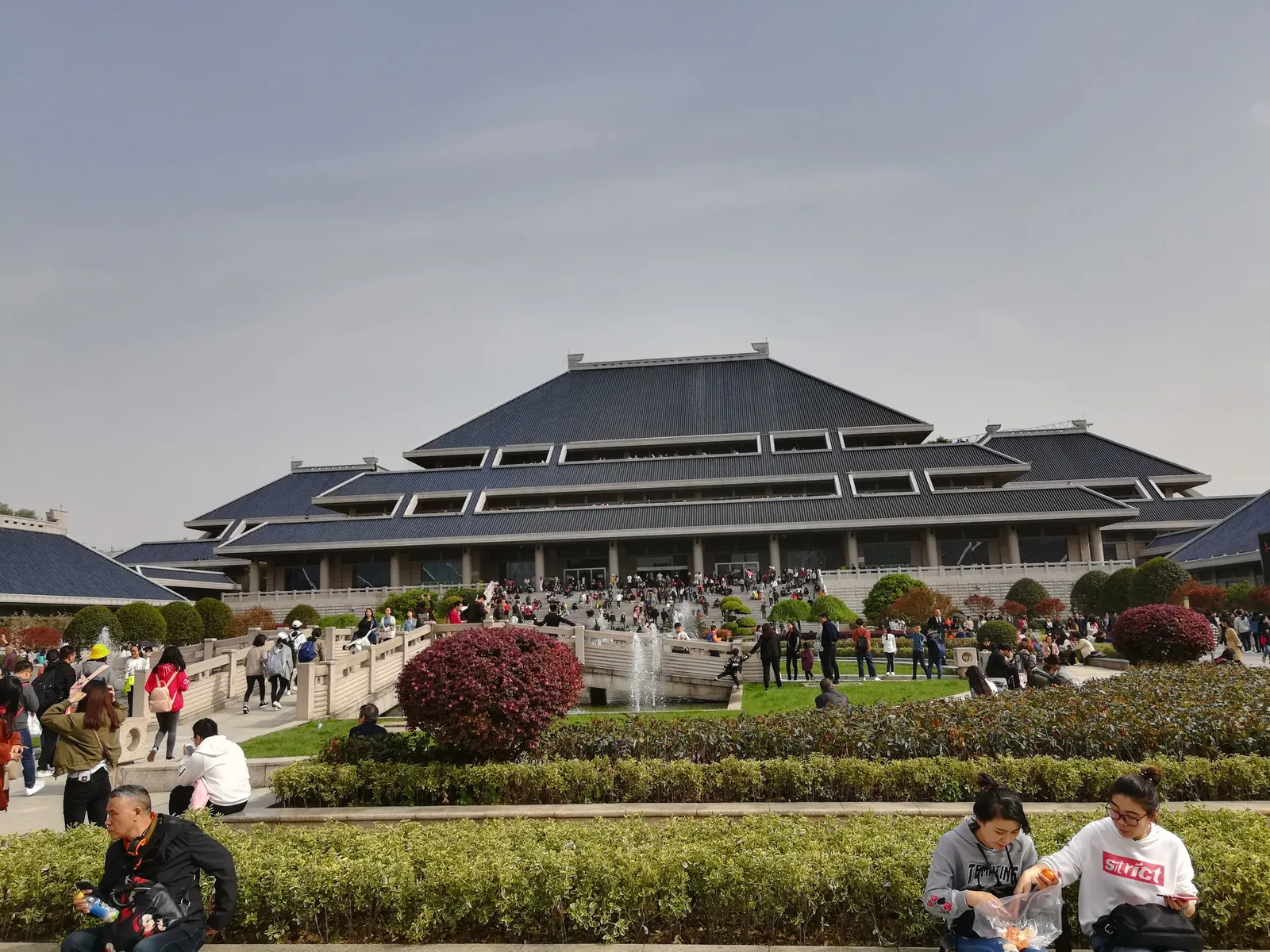
Where to see it in China
 WuhanHubei Provincial Museum 湖北省博物馆Home of the 2,400-year-old bronze chime bells of Marquis Yi of Zeng and the sword of King Goujian of Yue.
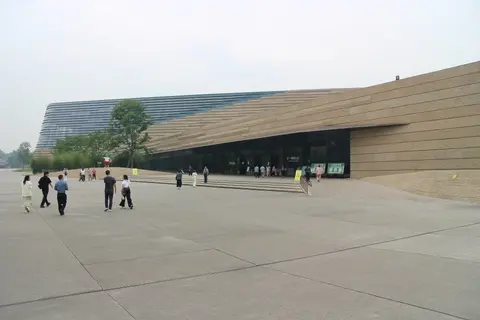 ChengduSanxingdui Museum 三星堆博物馆The startling 3,000-year-old bronze masks, heads and sacred tree of a little-known ancient culture.
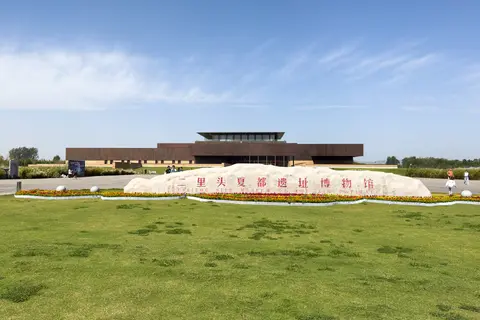 LuoyangErlitou Xia Capital Site Museum 二里头夏都遗址博物馆A museum beside the Erlitou site, often linked to China’s earliest dynasty, with early bronzes and a turquoise dragon.
 KunmingYunnan Provincial Museum 云南省博物馆Bronzes of the ancient Dian kingdom, decorated with lively scenes of people and animals.
Where we mention it
Related entries
Sources
- Chinese bronzes — Encyclopaedia Britannica (britannica.com)
- Ding (vessel) — Encyclopaedia Britannica (britannica.com)
- Bianzhong of Marquis Yi of Zeng — Wikipedia (en.wikipedia.org)
- Chinese bronzes — Wikipedia (en.wikipedia.org)