
Oracle bones
甲骨Jiǎgǔc. 1250–1050 BC
Oracle bones are ox bones and turtle shells that Shang court diviners inscribed and cracked with heat, the oldest large body of Chinese writing.
Oracle bones are pieces of ox shoulder blade and turtle shell used for divination at the late Shang court, about 1250 to 1050 BC. Diviners applied intense heat until the piece cracked, then read the cracks as answers to questions about weather, crops, the royal family and war. The inscriptions record the question, the reading of the cracks and sometimes the outcome. These inscriptions are the oldest known large body of Chinese writing, and you can recognise some characters today. Villagers near Anyang once dug them up and sold them as medicine under the name "dragon bones", until the scholar Wang Yirong identified the marks as ancient writing in 1899. The main site is Yinxu near Anyang in Henan, a UNESCO World Heritage Site since 2006; Zouzou has no Anyang page yet, so most visitors meet oracle bones in big museums. Look for small pale fragments covered in fine scratches, and see also bamboo slips, the later everyday writing material.

Where to see it in China
 BeijingNational Museum of China 中国国家博物馆Showed more than 100 oracle bones in a 2019 exhibition. Displays change, so check whether any are out.
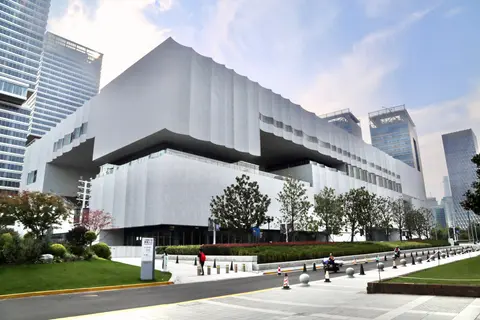 ShanghaiShanghai Museum East 上海博物馆东馆The Shanghai Museum owns Shang oracle bones and its Chinese collection is now shown here. Check whether any are on display.
Where we mention it
Related entries
Sources
- Oracle bone: Wikipedia (en.wikipedia.org)
- Yinxu: Wikipedia (en.wikipedia.org)
- Exhibition opens to mark discovery of inscribed oracle bones: China Daily (global.chinadaily.com.cn)