
Sima Qian
司马迁Sīmǎ Qiānc. 145–c. 86 BC
The Han court historian (c. 145–c. 86 BC) whose Records of the Grand Historian is the source of much of what we know about early China.
Sima Qian took over the post of court historian from his father, Sima Tan, who had asked him to finish the history they had begun. In 99 BC he defended a general who had surrendered to the Xiongnu, and Emperor Wu’s court sentenced him to death. He accepted castration in place of death so that he could finish the work. The result, the Records of the Grand Historian (史记, Shiji), runs to 130 chapters and over 500,000 characters, and it became the model for later Chinese histories. As a young man he travelled widely, including to Qufu, Confucius’s home town. Travellers meet him through his Records, a key source for early Chinese history that is still cited for places such as the First Emperor’s tomb and Dujiangyan. His tomb and temple are at Hancheng (韩城) in Shaanxi, which is not yet on our pages.
Where to see it in China
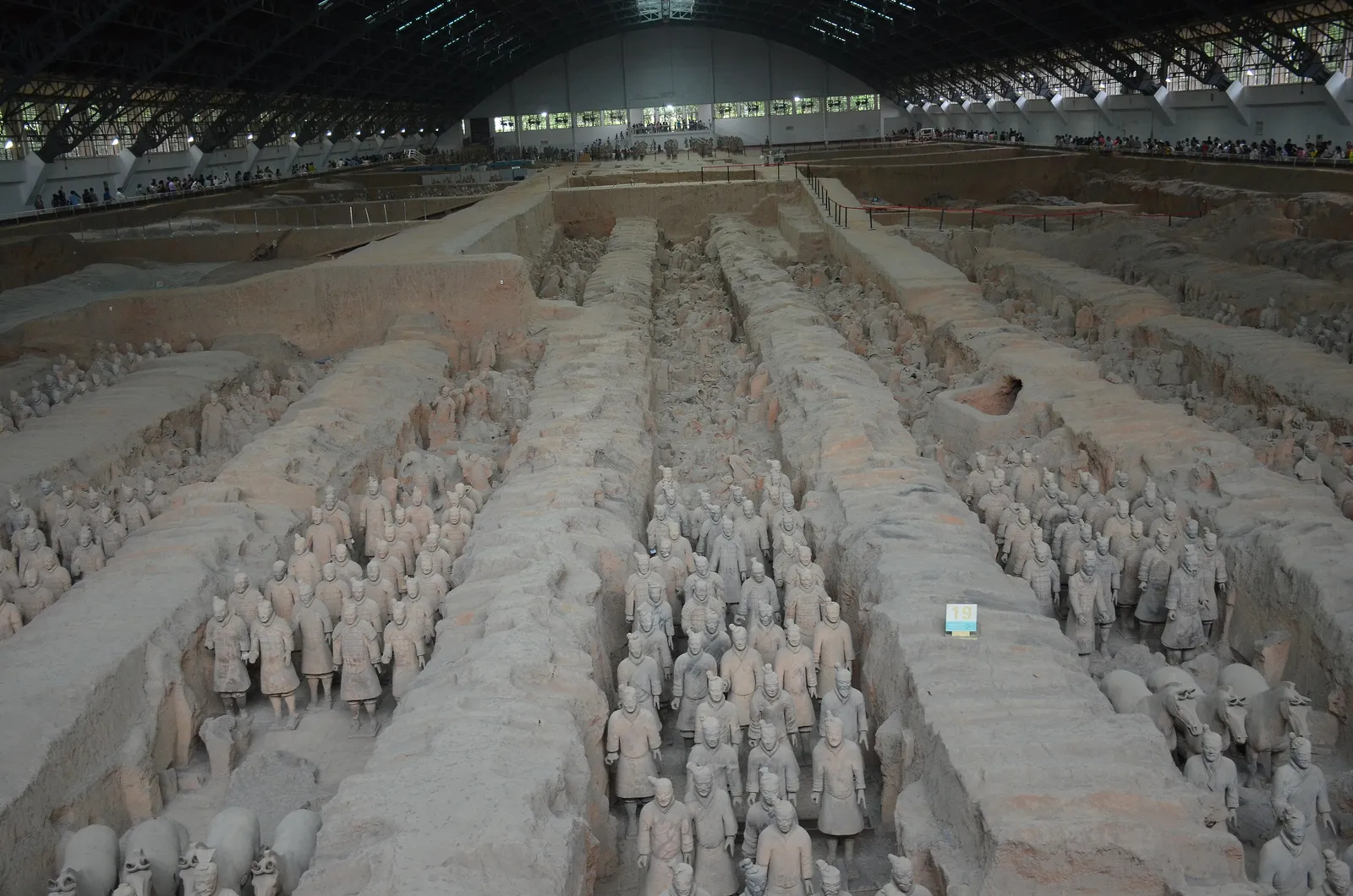
 Xi'anTerracotta Army 秦始皇帝陵博物院(兵马俑)His account is the only detailed early description of the First Emperor’s tomb, yet it never mentions a clay army.
 ChengduDujiangyan and Mount Qingcheng 都江堰与青城山His Records is the early source for Li Bing, the governor linked with this irrigation system.
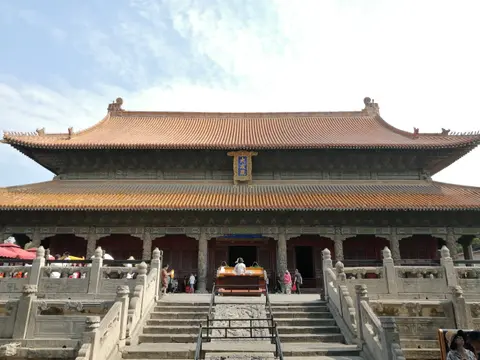 QufuTemple of Confucius 孔庙He came to Qufu on his youthful travels, and his Records includes a long life of Confucius.
Where we mention it
Related entries
Sources
- Sima Qian: Wikipedia (en.wikipedia.org)
- Sima Qian: World History Encyclopedia (worldhistory.org)