
Chinese zodiac
十二生肖shí’èr shēngxiào
A repeating 12-year cycle in which each year has an animal, from Rat to Pig, used for birth years, festival decorations and temple art.
The Chinese zodiac gives each year one of twelve animals, in a fixed order: Rat, Ox, Tiger, Rabbit, Dragon, Snake, Horse, Goat, Monkey, Rooster, Dog and Pig. The set is linked to the twelve Earthly Branches of the traditional calendar and was standardised around the Han dynasty; legend explains the order with a race held by the Jade Emperor. The animal year changes at the Lunar New Year, not on 1 January, so people born early in the year may belong to the previous animal. Travellers see the animals on Spring Festival decorations, souvenirs and temple carvings.
Also known as: shengxiao
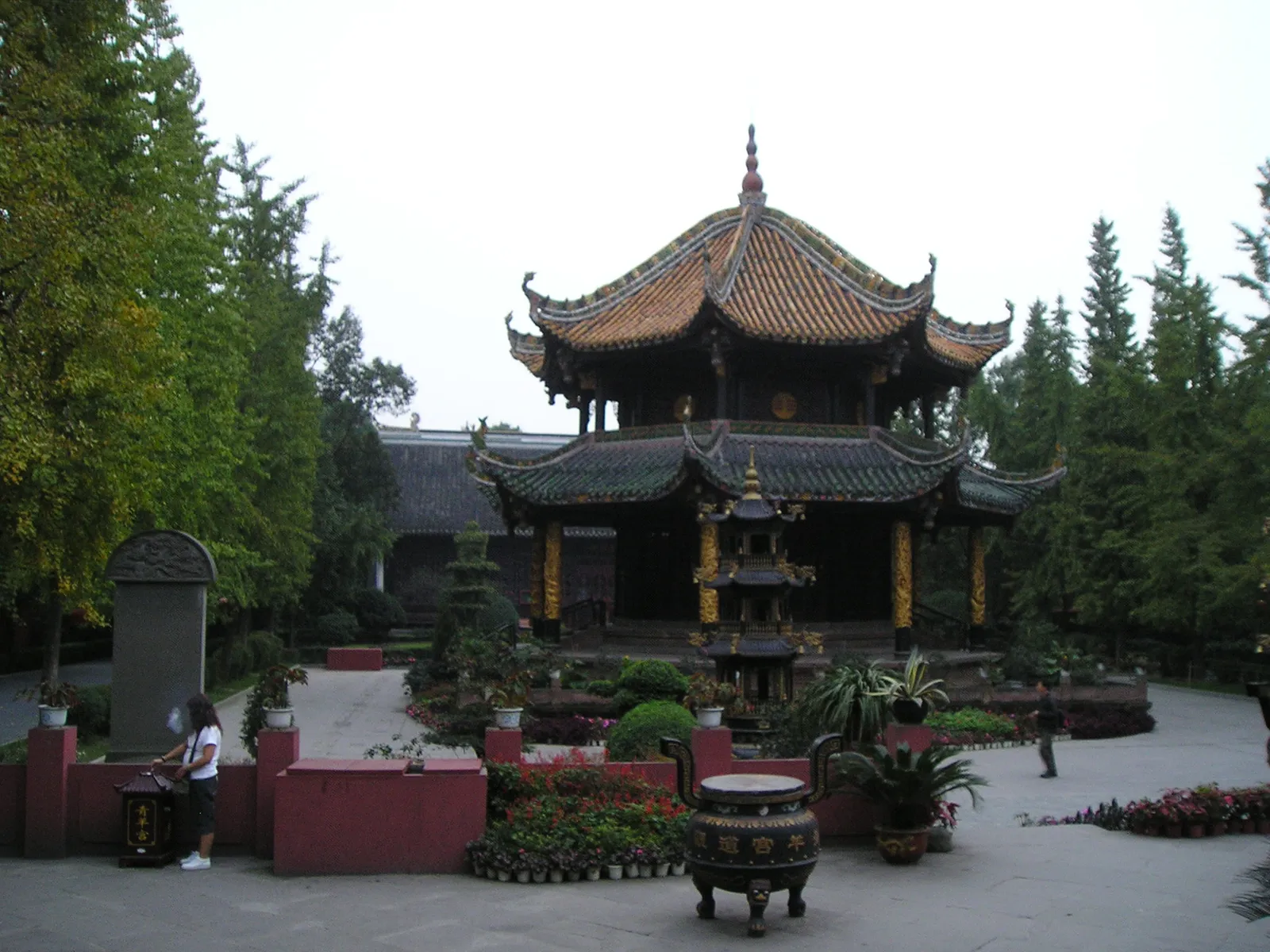
Where to see it in China
 ChengduQingyang Palace 青羊宫At the Sanqing Hall, one of the two bronze goats has only one horn and combines features of all twelve animals; zodiac carvings are nearby.
 BeijingOld Summer Palace (Yuanmingyuan) 圆明园Among the stone ruins of the European-style palaces stood the Haiyan Tang clock fountain, whose twelve zodiac animals once spouted water in turn.
Related entries
FestivalsSpring Festival 春节Chinese New Year, the biggest holiday of the year: family reunions, red decorations and lanterns, and the world’s largest annual travel rush.Ideas and beliefsChinese lunar calendar 农历China’s traditional lunisolar calendar: months follow the moon, the 24 solar terms follow the sun, and it still sets festival and temple dates.Legends and novelsChinese dragon 中国龙A mythical creature tied to water, weather and good fortune, later the emblem of the emperor, seen on China’s palaces, screens and temple columns.Ideas and beliefsTaoism 道教China’s home-grown philosophy and religion of the Dao, “the Way”, traditionally traced to the sage Laozi; its temples and holy mountains are all over China.
Sources
- Chinese zodiac, Wikipedia (en.wikipedia.org)
- 青羊宫(Qingyang Palace), Chinese Wikipedia (zh.wikipedia.org)
- Old Summer Palace, Wikipedia (en.wikipedia.org)