
Cai Lun
蔡伦Cài Lúnc. 50–62 to 121
The Han court official who in 105 presented an improved way of making paper. He is traditionally called its inventor, but older paper exists.
Cai Lun was a eunuch official at the Eastern Han court in Luoyang. In 105 he presented Emperor He with a papermaking process using tree bark, hemp waste, old rags and fishing nets. Chinese sources long credited him with inventing paper, but archaeology has found much older fragments, including one from Fangmatan in Gansu dated to about 179–141 BC. Most scholars now see his work as improving and standardising a craft that already existed. He died in 121, taking poison after being ordered to answer charges at court. His traditional tomb is at Longting (龙亭) in Yang County, Shaanxi. Travellers can see early paper in the northwest, where the dry air preserved it for centuries.
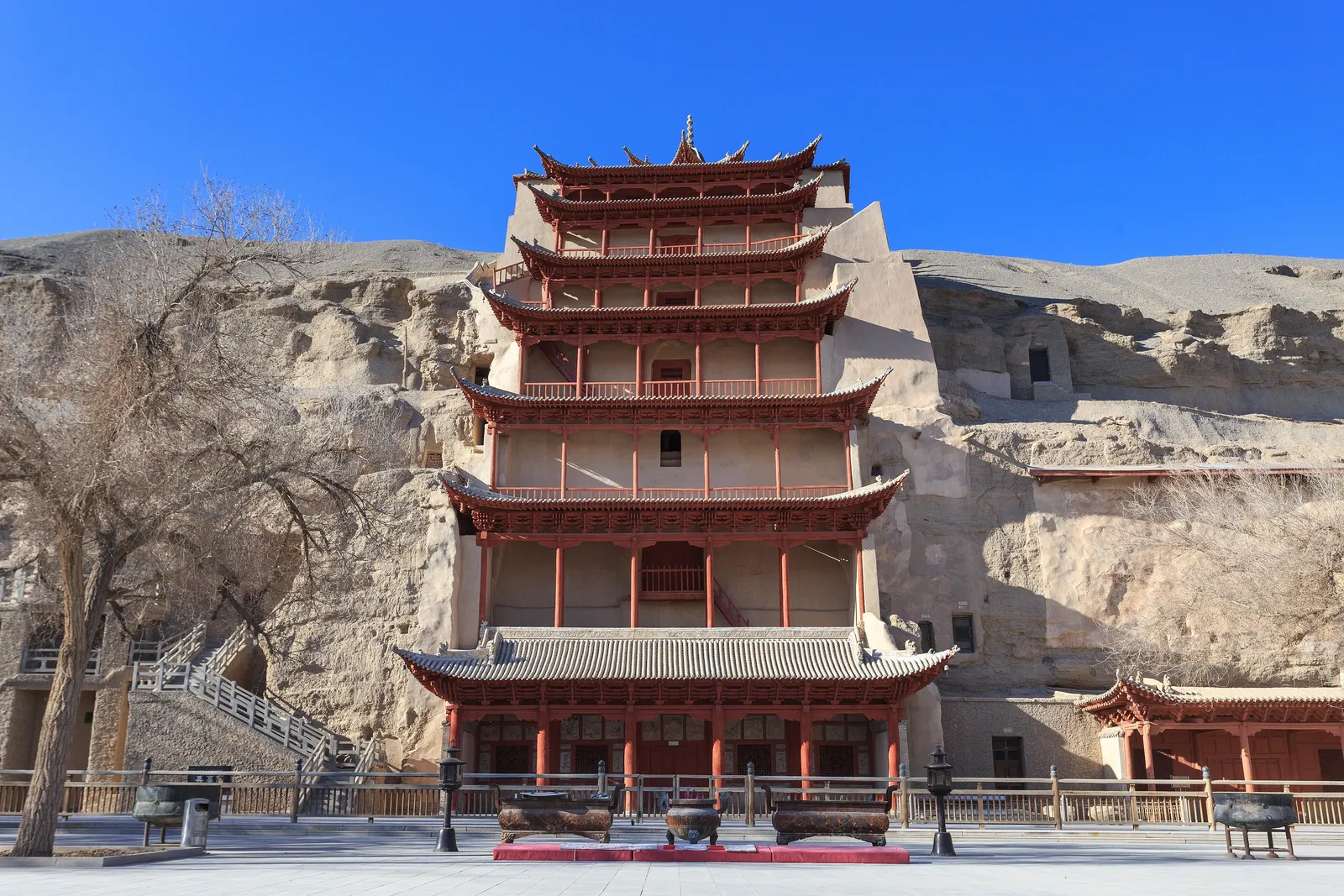
Where to see it in China
 DunhuangMogao Caves 莫高窟The Library Cave here held about 15,000 paper books and shorter texts dated from 406 to 1002. Most are now held elsewhere, so see them in exhibitions.
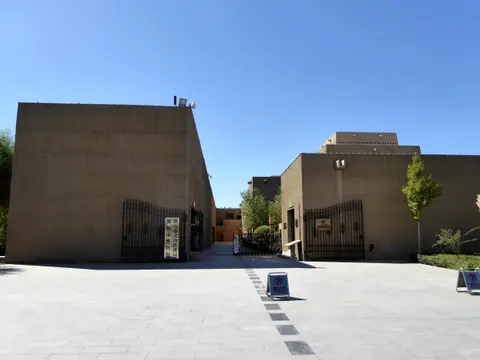 DunhuangDunhuang Museum 敦煌市博物馆A free museum of Silk Road finds, with cave manuscripts and Han wooden slips: a chance to compare the old writing surface with paper.
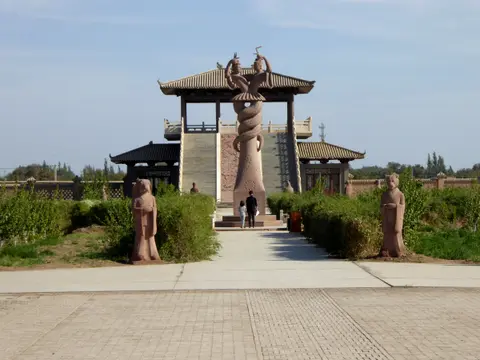 TurpanAstana Tombs 阿斯塔那古墓群The dry climate of these tombs preserved bodies, silk, paintings and paper documents.
Related entries
Sources
- Cai Lun: Wikipedia (en.wikipedia.org)
- History of paper: Wikipedia (en.wikipedia.org)
- Library Cave: Wikipedia (en.wikipedia.org)