
Wang Xizhi
王羲之Wáng Xīzhīc. 303–361
Jin dynasty calligrapher (c. 303–361), often called the greatest in Chinese history, known for the Orchid Pavilion Preface of 353.
Wang Xizhi was an official of the Eastern Jin, born in today’s Shandong, whose family fled south when northern China fell. In 353 he wrote the Orchid Pavilion Preface for a poetry gathering at Shanyin in Kuaiji, today’s Shaoxing, and it became the most famous piece of running script in China. No original by his own hand survives: Emperor Taizong of Tang collected his work, and the original Preface is said to have gone into the emperor’s tomb. What travellers see today are Tang copies and characters recut in stone. The Orchid Pavilion itself, near Shaoxing, is not on our pages.
Where to see it in China
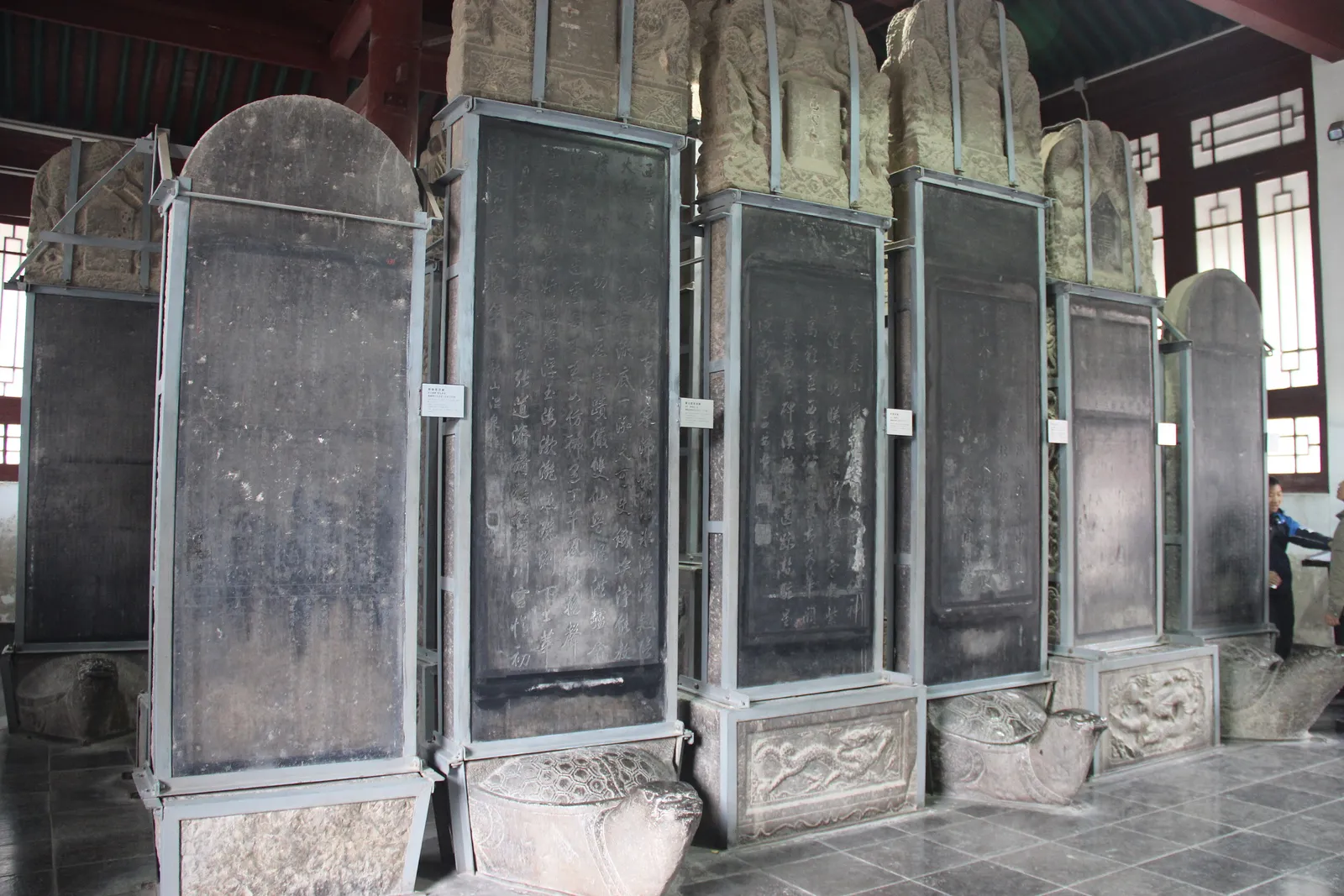
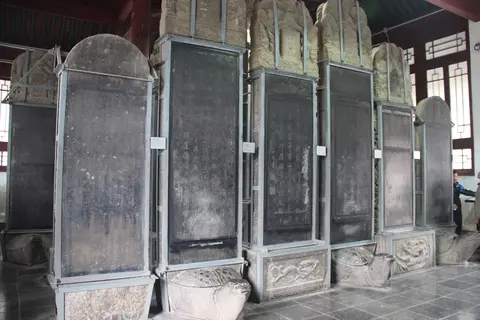 Xi'anBeilin Museum (Forest of Stone Steles) 西安碑林博物馆The Forest of Steles keeps the original stele of 672 on which the monk Huairen assembled characters from Wang Xizhi’s writing.
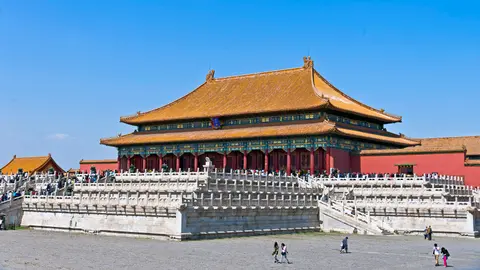 BeijingForbidden City (Palace Museum) 故宫博物院The Palace Museum holds the Tang copy of the Preface known as the Shenlong version; check current exhibitions, as it may not be on show.
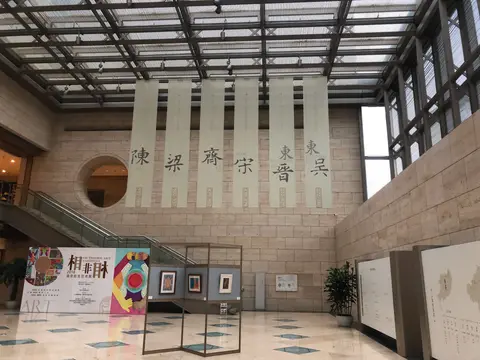 NanjingSix Dynasties Museum 六朝博物馆The story of Nanjing as capital of the Six Dynasties, including the Eastern Jin state Wang’s family helped to establish.
Where we mention it
Related entries
Arts and craftsCalligraphy 书法The art of writing Chinese characters with brush and ink, long ranked among China’s highest arts and still practised everywhere.Places and buildingsStele 碑刻An upright carved stone used to preserve texts, names, images or calligraphy in a durable public form.PeopleEmperor Taizong of Tang 唐太宗The second Tang emperor (reigned 626–649), born Li Shimin, who helped found the dynasty and left his mark on Xi’an, Shaolin and Jinci.
Sources
- Wang Xizhi: Wikipedia (en.wikipedia.org)
- Lantingji Xu: Wikipedia (en.wikipedia.org)
- Preface to Buddhist Scriptures (rubbing): Kyoto National Museum (knmdb.kyohaku.go.jp)