
Sun Tzu
孙武Sūn Wǔtraditionally c. 500 BC
The general traditionally credited with The Art of War, said to have served the king of Wu at today’s Suzhou. Whether he existed is disputed.
According to Sima Qian’s Records, Sun Wu, known as Sun Tzu (“Master Sun”), wrote The Art of War in 13 chapters and became a general of King Helü of Wu, whose forces beat the larger state of Chu at Boju in 506 BC. His existence is disputed: no text before Sima Qian names him, and scholars have doubted the account since the 12th century. Many now date the book to the later Warring States period. In 1972, bamboo slips sealed in a Han tomb at Yinqueshan in Shandong were found to hold fragments of the book, with text very close to the modern version. The famous story of him drilling the king’s concubines is widely treated as fiction. The Wu capital stood at today’s Suzhou, so that is the place to think of him, though no site there can be tied to him with certainty.
Also known as: Sunzi
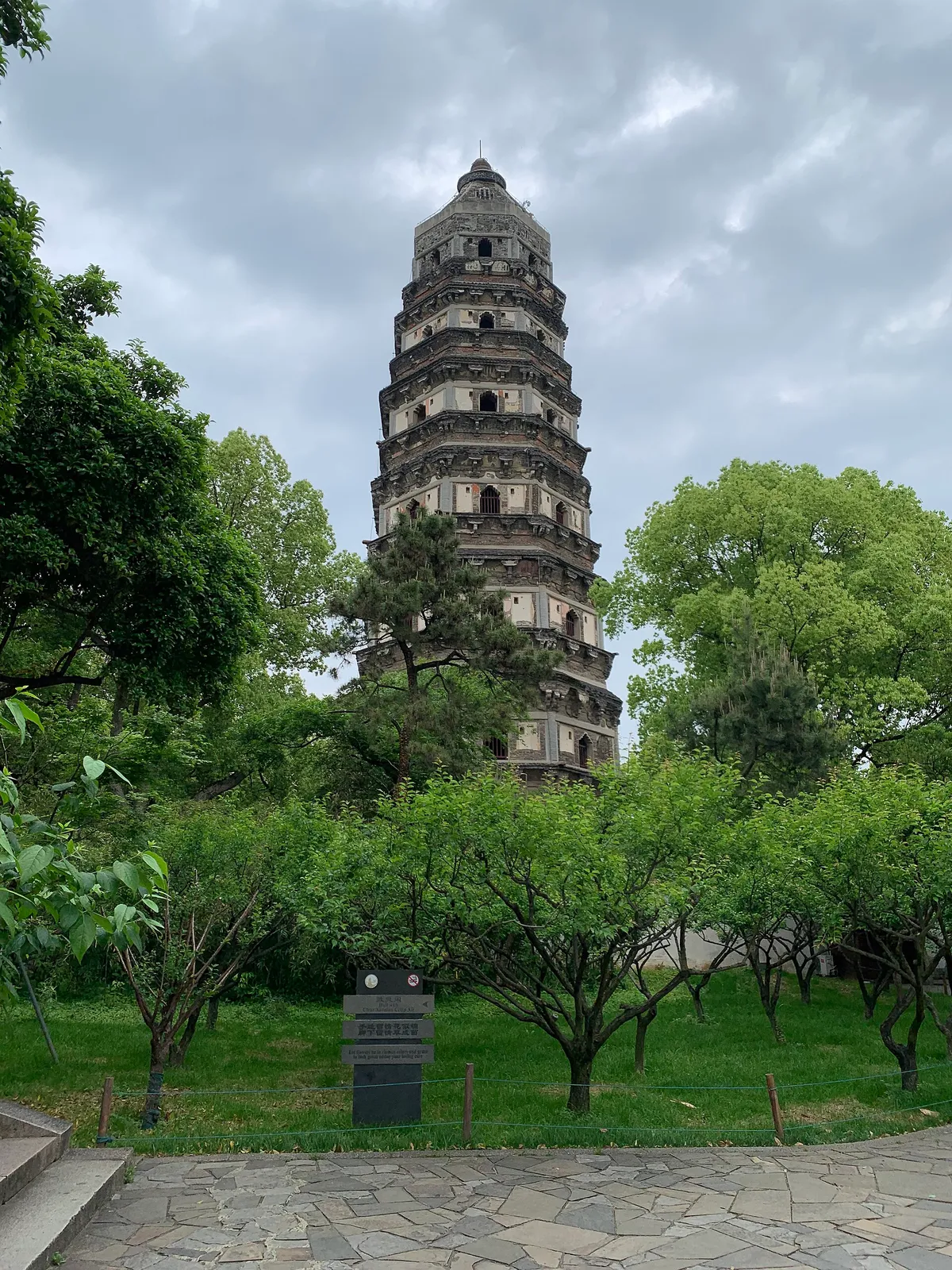
Where to see it in China
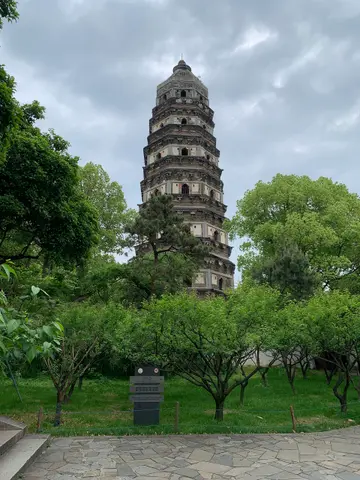 SuzhouTiger Hill 虎丘By tradition the burial place of King Helü, the ruler he is said to have served. The tomb has not been excavated, and Sword Pond is tied to it by legend.
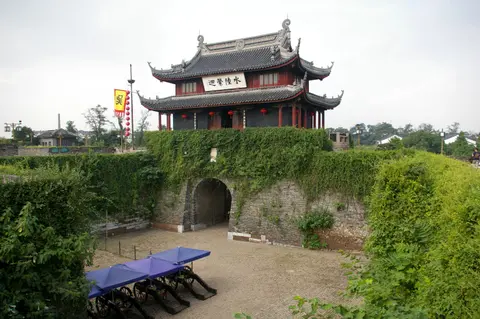 SuzhouPanmen Gate scenic area 盘门景区A gate has stood here since the state of Wu built its city wall in 514 BC, the time of the Sun Tzu story. The present gate dates from about 1351.
Where we mention it
Related entries
Sources
- Sun-Tzu: World History Encyclopedia (worldhistory.org)
- Sun Tzu: Wikipedia (en.wikipedia.org)
- Tiger Hill, Suzhou: Wikipedia (en.wikipedia.org)
- Pan Gate: Wikipedia (en.wikipedia.org)