
Cao Cao
曹操Cáo Cāoc. 155–220
Warlord and poet (c. 155–220) who controlled northern China at the end of the Han dynasty; his family founded the Wei state of the Three Kingdoms.
Cao Cao rose in the wars that broke up the Han dynasty and came to control much of northern China in the name of the last Han emperor. His southward push ended in defeat at the Battle of Red Cliffs in 208, which set the stage for the three-way split of the empire. He died in Luoyang in 220, and his son Cao Pi then founded the Wei dynasty. He was also a serious poet, yet the novel Romance of the Three Kingdoms made him its great schemer. Archaeologists announced in 2009 that a tomb near Anyang in Henan is his, though some scholars dispute it, and it is not on our pages; in our data his trail runs through Luoyang.
Where to see it in China
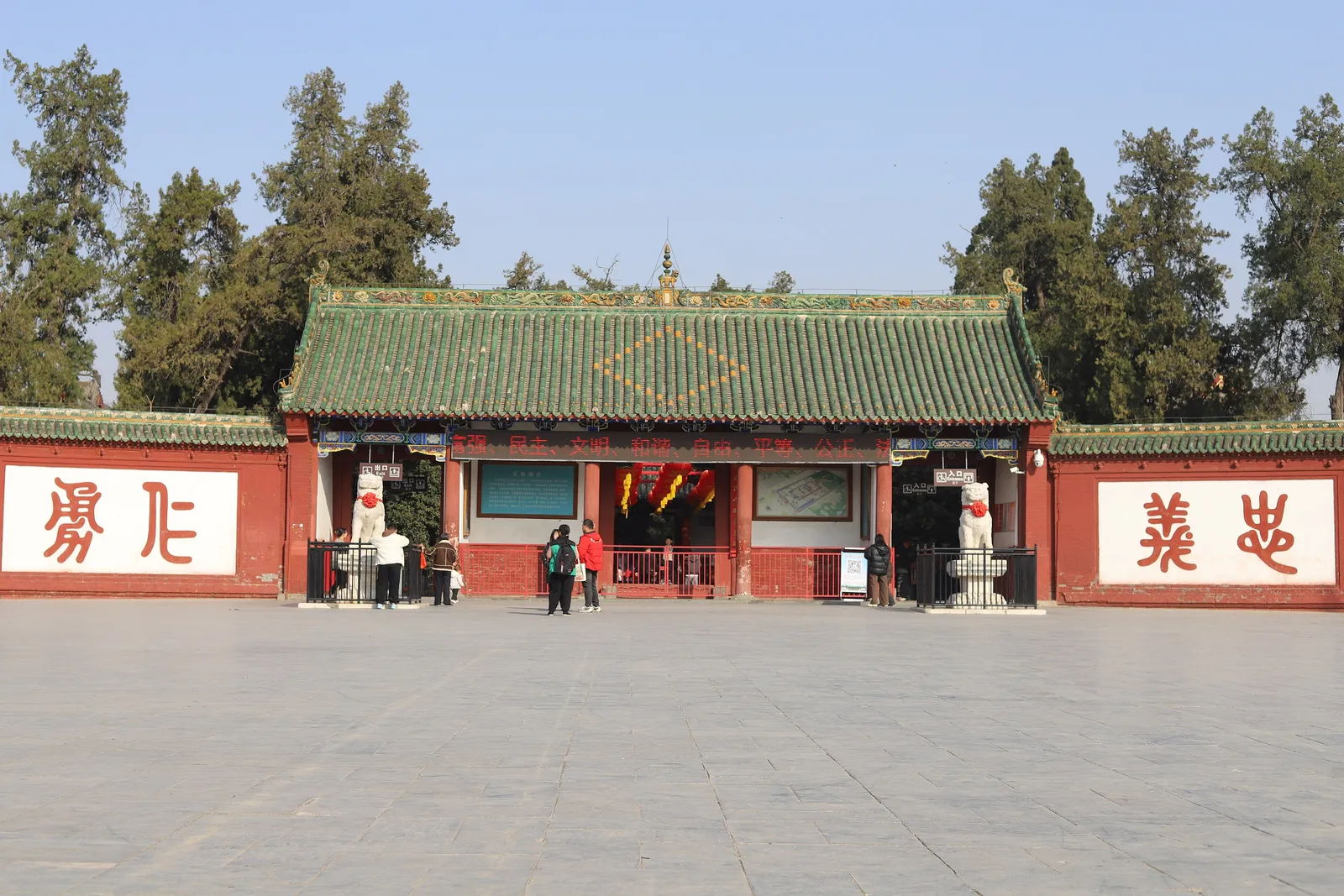
 LuoyangGuanlin Temple 关林By tradition Guan Yu’s head lies here: sources say Cao Cao received it from Sun Quan and gave it an honoured burial at Luoyang.
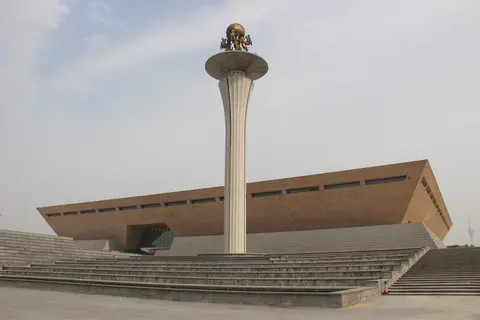 LuoyangLuoyang Museum 洛阳博物馆A big museum on the dynasties that ruled from Luoyang, the city where Cao Cao died and his son’s Wei state had its capital.
Where we mention it
Related entries
Sources
- Cao Cao: Wikipedia (en.wikipedia.org)
- Cao Cao: World History Encyclopedia (worldhistory.org)
- Guan Yu: China Highlights (chinahighlights.com)
- Cao Wei: Wikipedia (en.wikipedia.org)