
Chinese shadow puppetry
皮影戏píyǐngxì
Theatre of translucent leather figures moved by rods behind a lit screen to music and song; documented in China since the Song, UNESCO-listed in 2011.
Chinese shadow puppetry (piying, literally “leather shadows”) is a theatre in which flat, coloured figures cut from translucent leather are moved with thin rods against a lit cloth screen while the performers sing and play music. Puppeteers often carve their own figures, which have 12 to 24 movable joints, and troupes tell stories from history, legend and local life at festivals, weddings and other occasions. A famous tale says the art began in the Han dynasty, when a magician conjured the shadow of the emperor’s dead favourite, but that is only a legend; clear records appear in the Northern Song. Styles differ by region, for example between the north and Sichuan. UNESCO inscribed Chinese shadow puppetry on its Representative List of the Intangible Cultural Heritage of Humanity in 2011. In Chengdu a museum has a shadow-puppet gallery, and in the old town of Jinggang near Changsha it is still performed.
Also known as: Piying
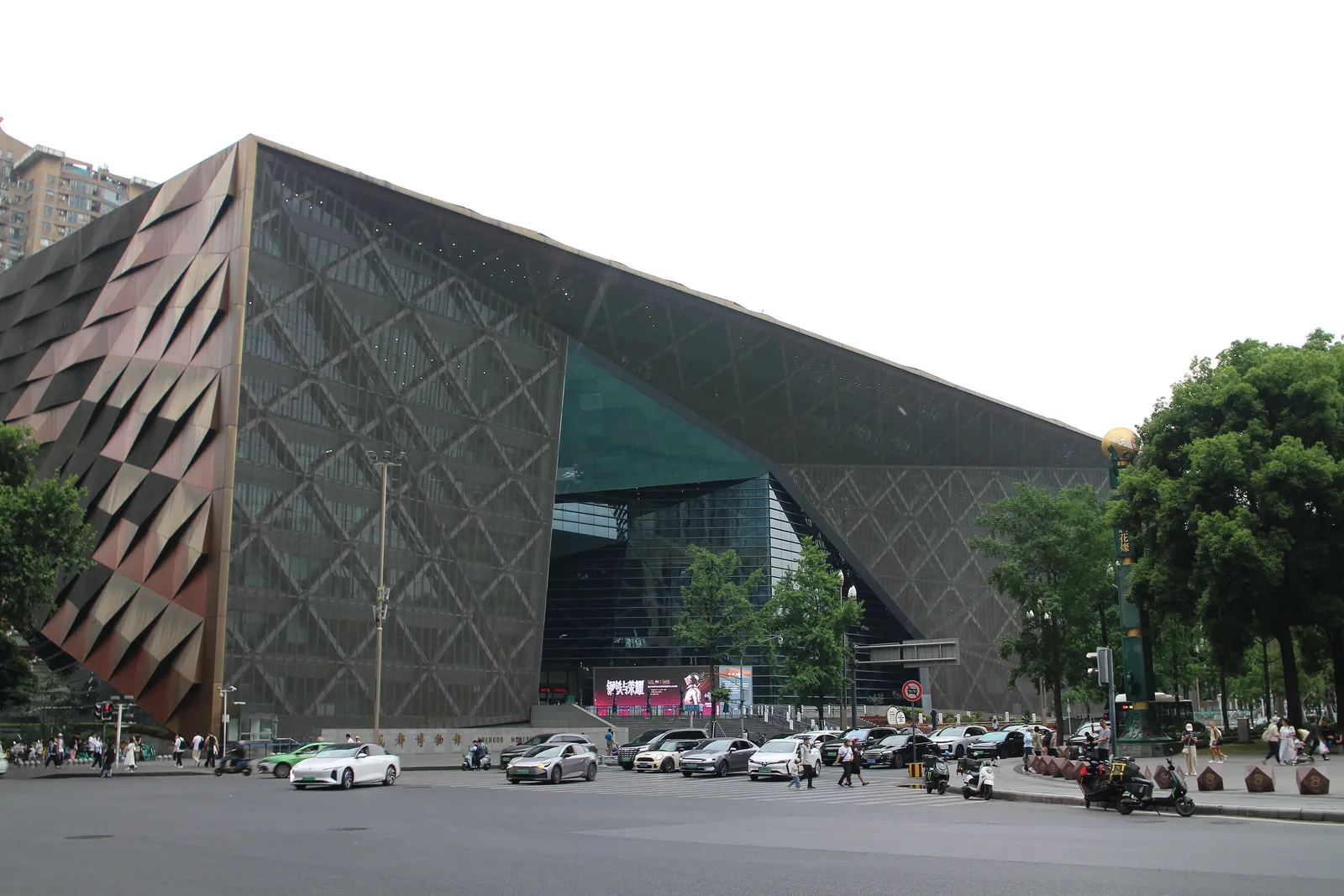
Where to see it in China

Where we mention it
Related entries
Sources
- Chinese shadow puppetry — UNESCO Intangible Cultural Heritage (ich.unesco.org)
- Chinese shadow theatre — Wikipedia (en.wikipedia.org)