
Matteo Ricci
利玛窦Lì Mǎdòu1552–1610
The Italian Jesuit (1552–1610) who reached Beijing in 1601, made a world map in Chinese and helped bring European science to Ming scholars.
Matteo Ricci was born in Macerata, Italy, in 1552 and studied mathematics and astronomy in Rome. He reached Macau in 1582, learned Chinese and moved slowly north through southern cities, working closely with Confucian scholars. In 1601 he arrived in Beijing with gifts including chiming clocks, and was allowed to stay, though he never met the Wanli Emperor. There he produced the Kunyu Wanguo Quantu, a 1602 world map in Chinese made with Li Zhizao, and translated part of Euclid’s Elements with Xu Guangqi in 1607. He died in Beijing in 1610 and was buried there, an exception to the rules of the time for foreigners. His tombstone stands in the Zhalan Cemetery (栅栏墓地), but it is not an ordinary tourist site, so check whether and how you can visit before going.
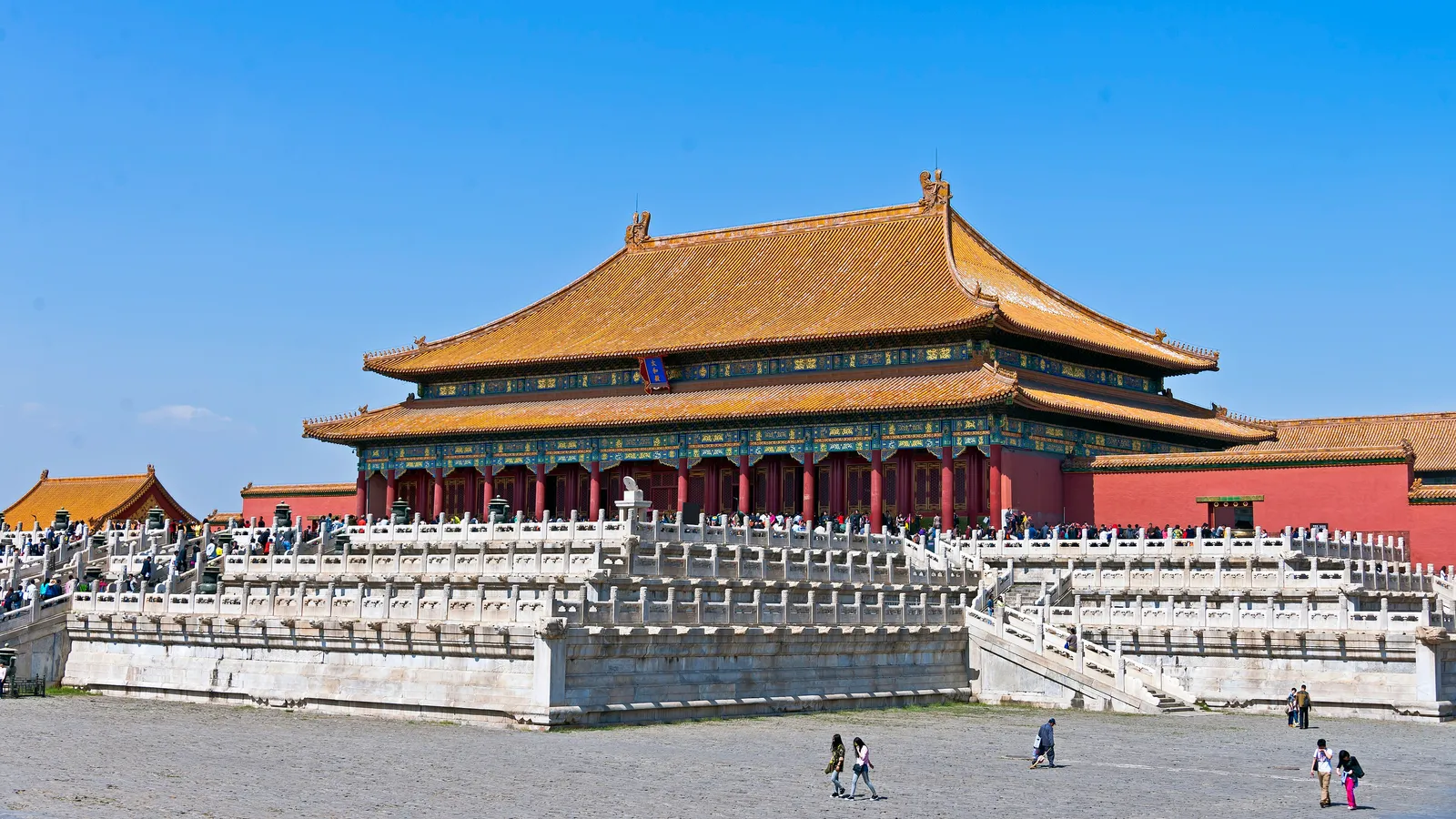
Where to see it in China
 BeijingForbidden City (Palace Museum) 故宫博物院The Palace Museum holds more than 1,500 Western clocks from the 17th to 19th centuries, a fashion his gifts helped start. His own clocks are not known to survive.
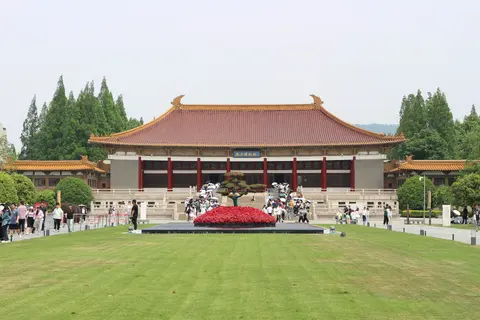 NanjingNanjing Museum 南京博物院A hand-painted copy of his 1602 world map from this museum has been lent to exhibitions abroad. Whether it is on show changes, so check first.
Where we mention it
Related entries
Sources
- Matteo Ricci: Wikipedia (en.wikipedia.org)
- China Daily: Western clocks in the Palace Museum and Ricci (2020) (chinadaily.com.cn)
- Kunyu Wanguo Quantu: Wikipedia (en.wikipedia.org)
- University of Barcelona, GEHC: the map at CaixaForum Barcelona, with objects from Nanjing Museum (ub.edu)