
Cloisonné
景泰蓝JǐngtàilánIn China since the late 13th century
Cloisonné is enamelware made by fixing fine metal wire to a metal body and filling the gaps with coloured enamel. China calls it jingtailan, Jingtai blue.
Cloisonné is a way of decorating metal: craftspeople bend fine copper wire into patterns, fix it to a copper or bronze body, fill the spaces with coloured enamel, fire it several times, then polish and gild it. The technique reached China in the late 13th century, probably from the west, and it was not Chinese in origin. Its Chinese name, jingtailan, refers to the Jingtai reign period (1450–1457) of the Ming dynasty and to the dark blue often used as the base colour. In the Qing dynasty, especially under the Qianlong Emperor, the palace workshops made it for imperial use. Workshops in Beijing still make it today. In museums, look closely for the thin gold lines between the colours, which is what separates it from painted enamel.
Also known as: jingtailan
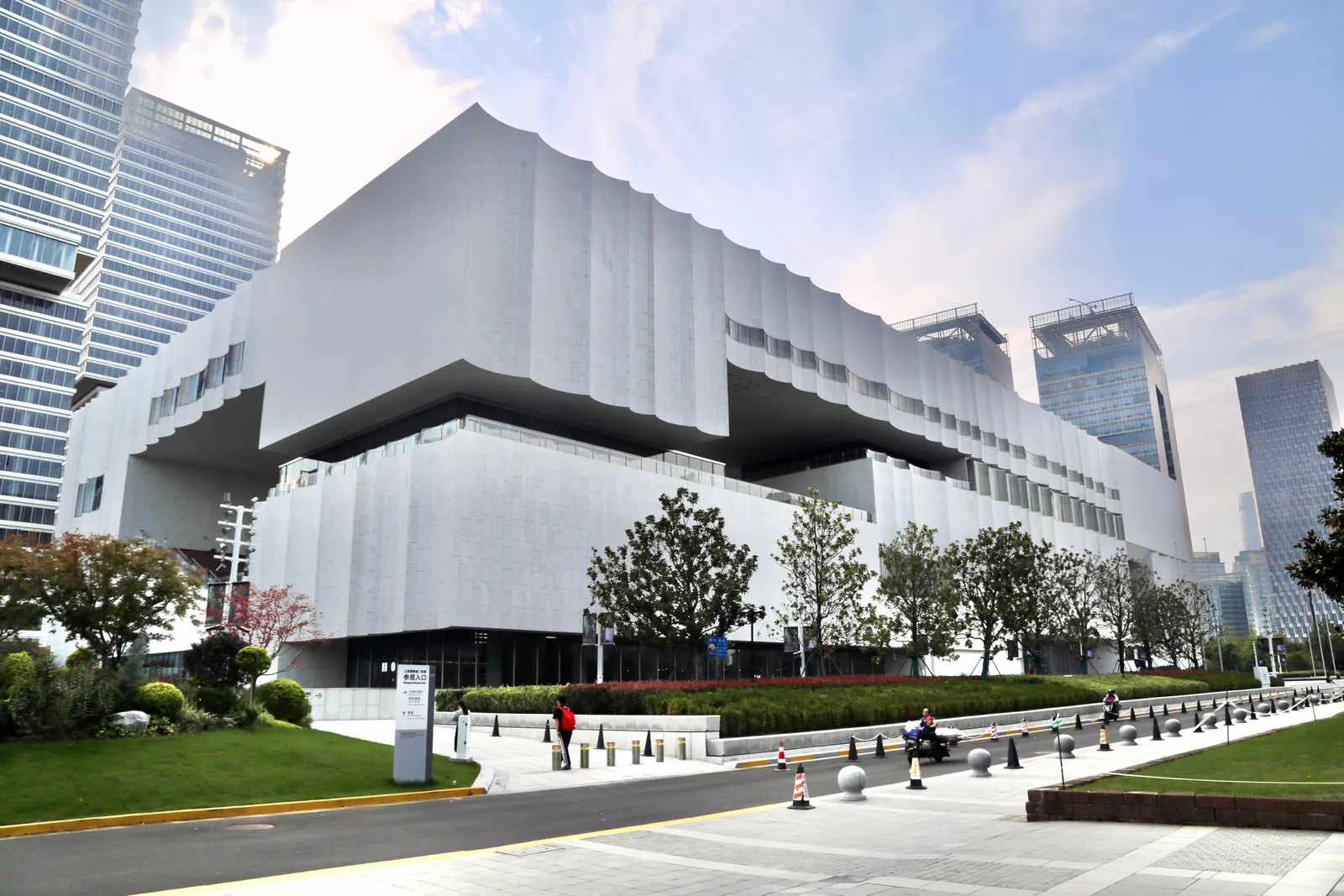
Where to see it in China
 ShanghaiShanghai Museum East 上海博物馆东馆The Shanghai Museum announced a permanent room for 55 donated cloisonné pieces in 2024. Check which building shows it now.
 BeijingForbidden City (Palace Museum) 故宫博物院The Palace Museum’s collection includes imperial cloisonné. What is on show changes, so check before you go.
Related entries
Sources
- Tracing a golden legacy: China Daily (chinadaily.com.cn)
- Museum shines spotlight on cloisonne: China Daily (global.chinadaily.com.cn)
- Cloisonné: Wikipedia (en.wikipedia.org)