
Western Xia
西夏Xī Xià1038–1227
A kingdom of the Tangut people (1038–1227) centred on today’s Yinchuan, with its own script and Buddhist art, ended by the Mongols.
The Western Xia was a kingdom founded by the Tangut people, who declared their own empire in 1038 with its capital at Xingqing, today’s Yinchuan in Ningxia. Lying across the Hexi Corridor, it controlled a stretch of the Silk Road and stood alongside the Song, Liao and later Jin dynasties as one of the powers of the age. The Tanguts created their own script of several thousand complex characters, printed Buddhist texts and supported Buddhism richly, leaving pagodas and fine murals in caves such as Yulin near Dunhuang. In 1227 the kingdom was destroyed by the Mongol armies of Genghis Khan, who died during the campaign, and much of its history was forgotten until Tangut books were rediscovered in the 20th century. Today the beehive-shaped royal tombs below the Helan Mountains are a UNESCO World Heritage site (2025), and the Ningxia Museum in Yinchuan explains the Tangut script and relics.
Also known as: Tangut Empire
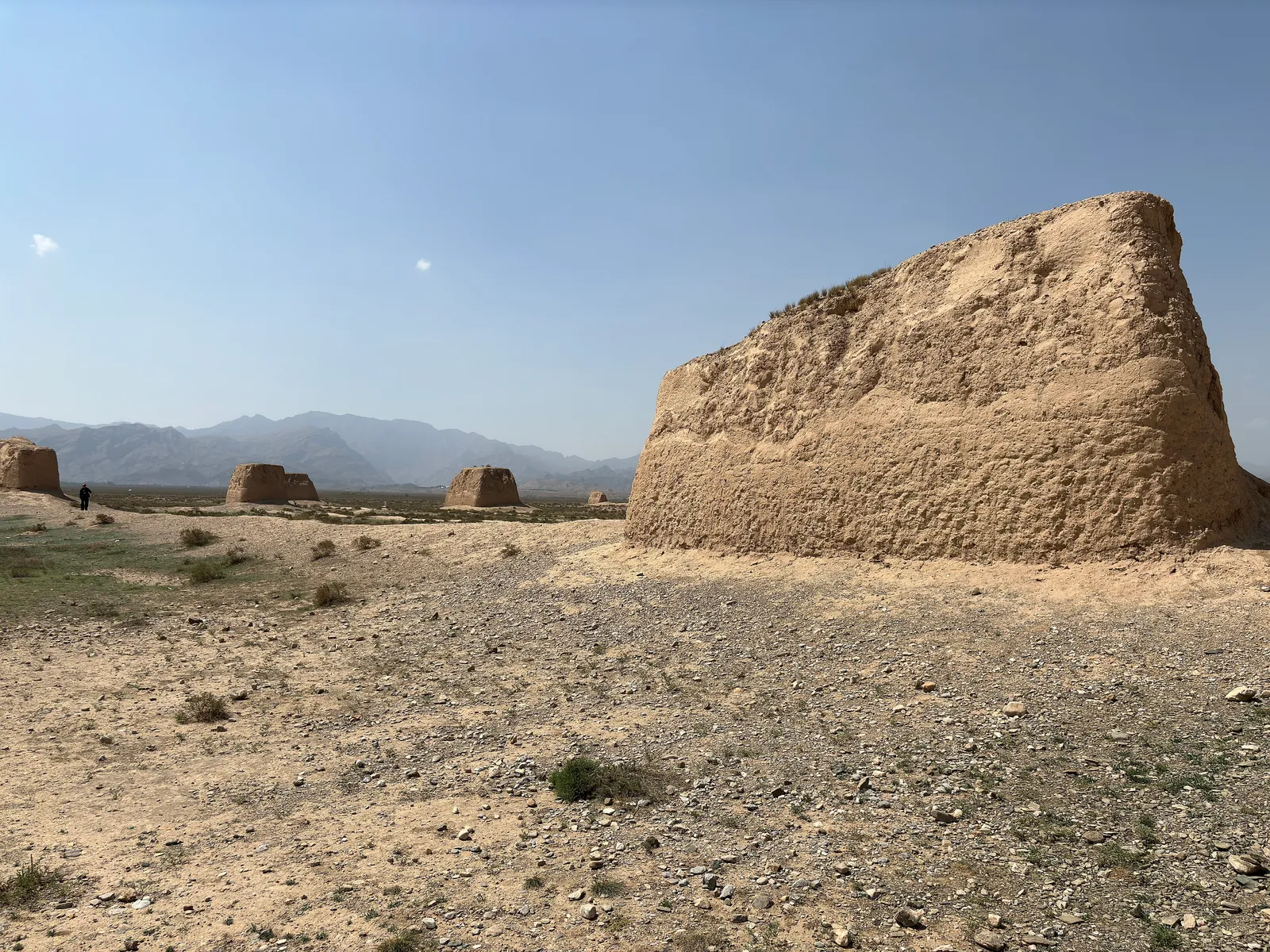
Where to see it in China
 YinchuanWestern Xia Imperial Tombs 西夏陵The royal cemetery: huge beehive-shaped earthen mounds below the Helan Mountains, with a museum at the entrance; World Heritage since 2025.
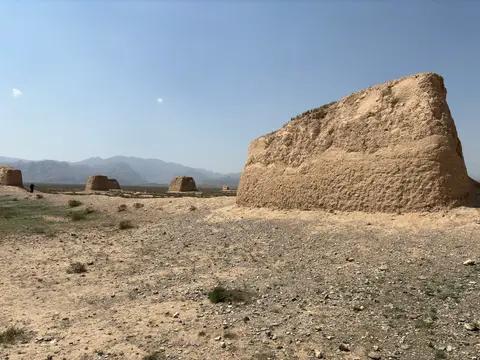
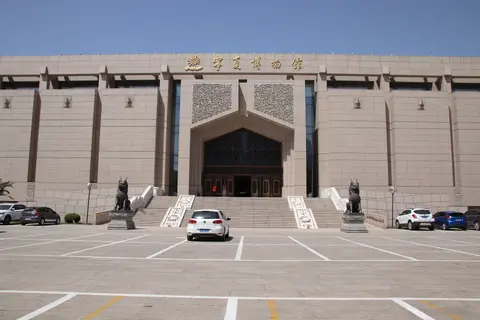 YinchuanNingxia Museum 宁夏博物馆Western Xia relics and Tangut script; see it before the tombs to understand them.
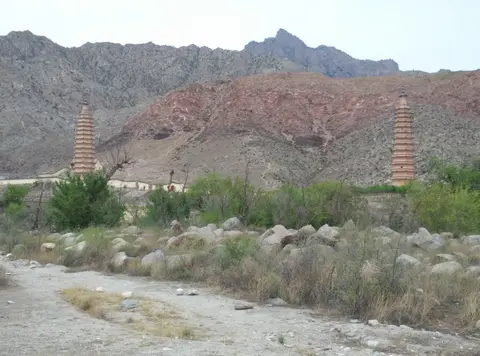 YinchuanBaisikou Twin Pagodas 拜寺口双塔Two tall Western Xia brick pagodas decorated with terracotta Buddhist figures at the mouth of a Helan Mountain valley.
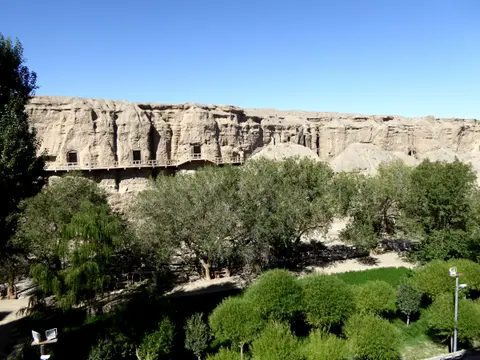 DunhuangYulin Grottoes 榆林窟Mogao’s quieter “sister” caves, with some of the finest Western Xia murals anywhere.
Where we mention it
Related entries
Sources
- Xi Xia — Encyclopaedia Britannica (britannica.com)
- Xixia Imperial Tombs — UNESCO World Heritage Centre (whc.unesco.org)
- Western Xia — Wikipedia (en.wikipedia.org)