
Genghis Khan
成吉思汗Chéngjísī Hánc. 1162–1227
Founder and first khan of the Mongol Empire (c. 1162–1227), born Temüjin; his grandson Kublai went on to found the Yuan dynasty.
Genghis Khan spent most of his life uniting the Mongol tribes and took his title at an assembly in 1206. His armies then campaigned across Asia, including against the Jin dynasty in northern China and the Western Xia kingdom. He died in August 1227 while on campaign against Western Xia, and the site of his grave remains unknown; the memorial at Ordos in Inner Mongolia, not on our pages, is a cenotaph. His grandson Kublai Khan later founded the Yuan dynasty. In China, travellers meet this history in museums and at the Western Xia royal tombs.
Also known as: Chinggis Khan · Temüjin
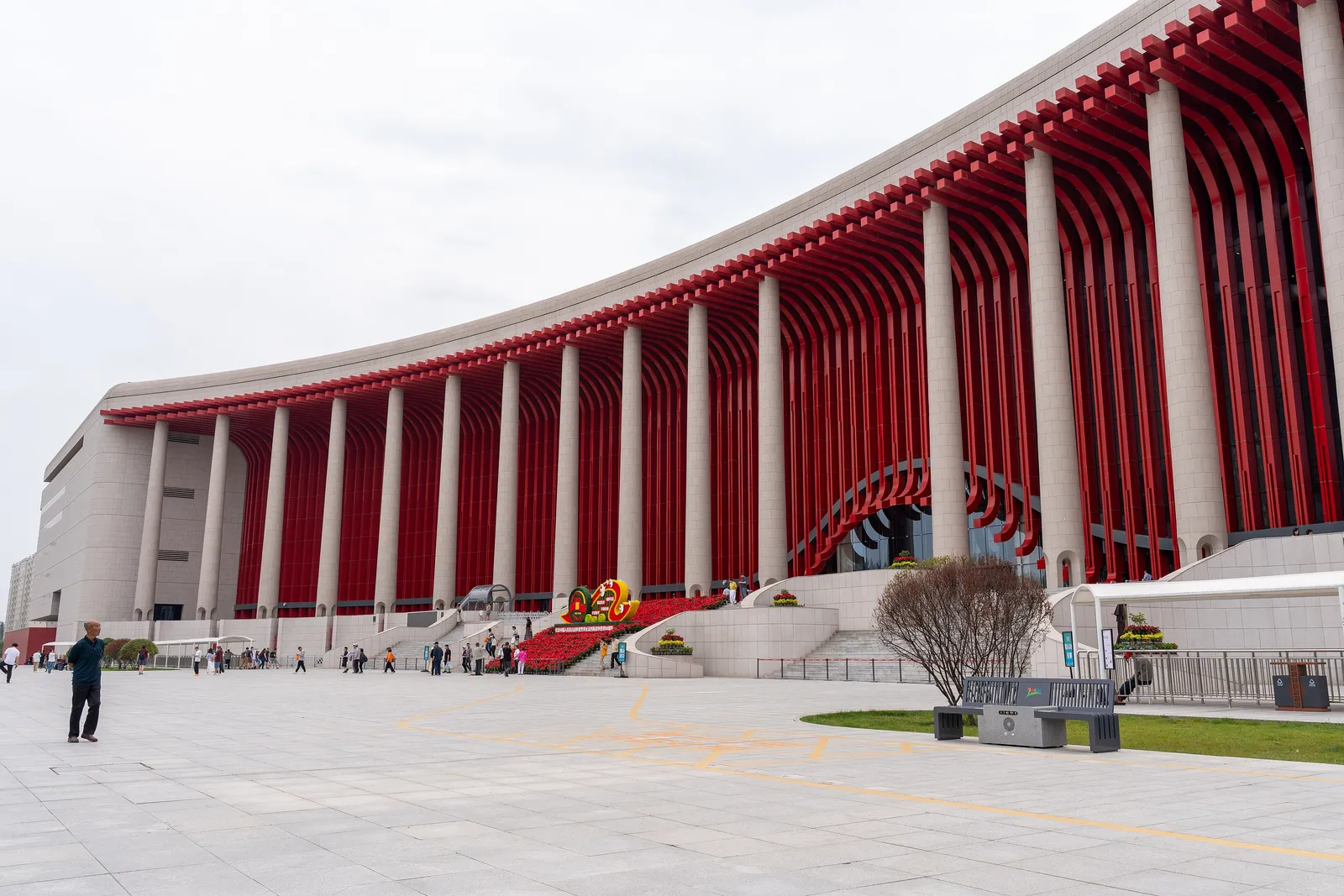
Where to see it in China
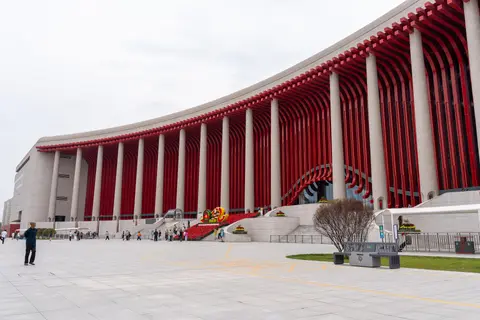 HohhotInner Mongolia Museum 内蒙古博物院The Mongol empire treasures here are the clearest museum view of his era, alongside nomad life from saddles to a full ger.
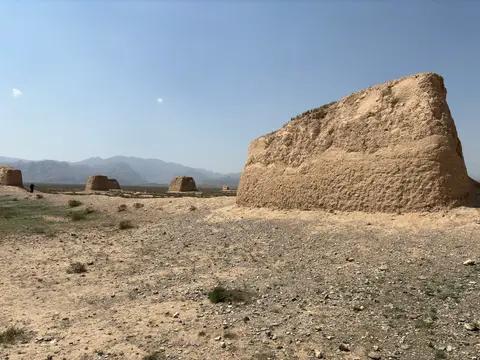 YinchuanWestern Xia Imperial Tombs 西夏陵The royal cemetery of Western Xia (1038–1227), the kingdom he was campaigning against when he died in 1227.
Where we mention it
Related entries
DynastiesYuan dynasty 元朝The Mongol dynasty founded by Kublai Khan (1271–1368), which made Beijing the capital of all China and opened it to travellers like Marco Polo.PeopleKublai Khan 忽必烈The Mongol ruler (1215–1294) who founded the Yuan dynasty, completed the conquest of the Song and built Dadu, the capital on the site of today’s Beijing.DynastiesWestern Xia 西夏A kingdom of the Tangut people (1038–1227) centred on today’s Yinchuan, with its own script and Buddhist art, ended by the Mongols.Ideas and beliefsMongols 蒙古族A people of the northern steppe, about six million in China, mostly in Inner Mongolia; known for horses, felt gers, Naadam games and long-song.
Sources
- Genghis Khan: Wikipedia (en.wikipedia.org)
- Genghis Khan: World History Encyclopedia (worldhistory.org)
- Mausoleum of Genghis Khan: Wikipedia (en.wikipedia.org)