
Kublai Khan
忽必烈Hūbìliè1215–1294
The Mongol ruler (1215–1294) who founded the Yuan dynasty, completed the conquest of the Song and built Dadu, the capital on the site of today’s Beijing.
Kublai Khan (1215–1294) was a grandson of Genghis Khan and the ruler who turned the Mongol conquest of China into the Yuan dynasty. Proclaimed Great Khan in 1260, he took the Chinese dynastic name Yuan in 1271 and completed the conquest of the Southern Song in 1279, bringing north and south under one government again. He had a new capital, Dadu (also called Khanbaliq), laid out from the 1260s on the site of today’s Beijing, and kept a summer capital at Shangdu, the “Xanadu” of Western legend. Merchants, envoys and craftsmen from across Asia came to his court, and the Venetian Marco Polo later described his reign to Europeans. Travellers can still meet his era in Beijing’s lanes, whose layout can be traced back to the Yuan, in Beihai Park, whose lake lay inside his Imperial City, and in the Mongol-empire galleries of the museum in Hohhot.
Also known as: Khubilai Khan · Kubilai Khan · Qubilai Khan
Where to see it in China
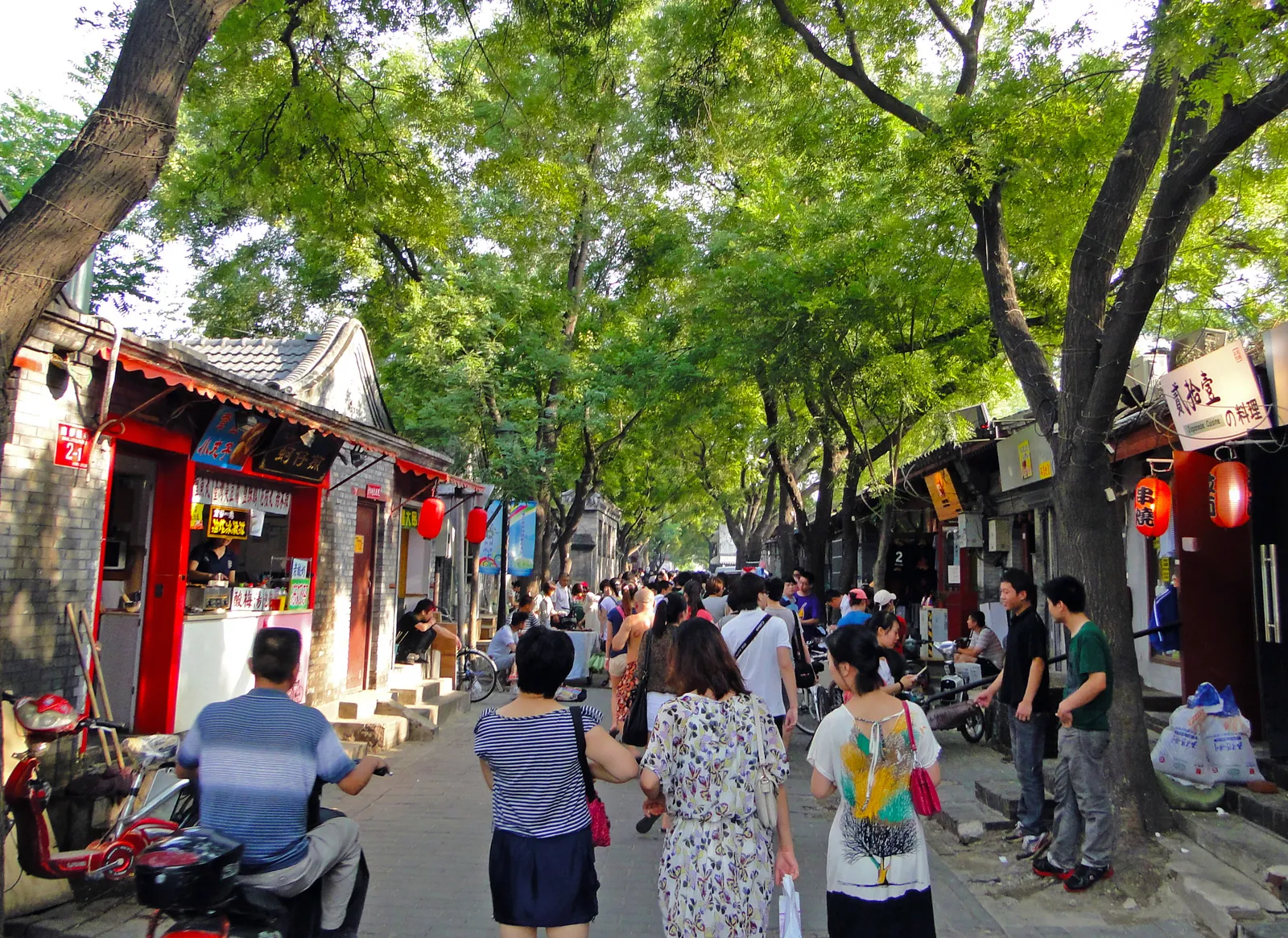
 BeijingNanluoguxiang 南锣鼓巷An 800-metre hutong lane whose layout goes back to the Yuan, when Kublai’s Dadu was laid out; now a busy pedestrian street.
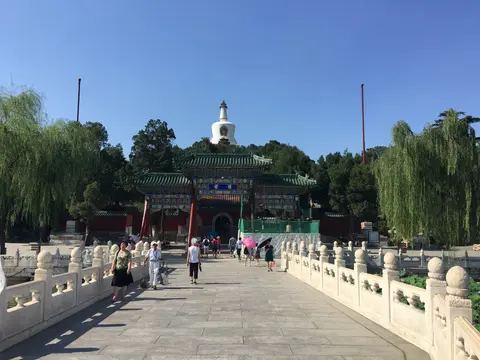 BeijingBeihai Park 北海公园A lakeside imperial garden next to the Forbidden City; in Kublai’s time its lake lay inside the walls of his Imperial City.
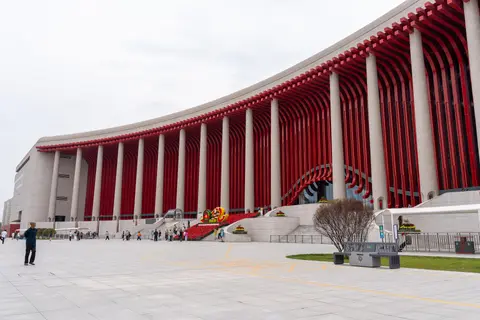 HohhotInner Mongolia Museum 内蒙古博物院The region’s great museum, with a hall on the Mongol empire and its treasures, plus Gobi dinosaurs and a full ger.
Where we mention it
Related entries
Sources
- Kublai Khan — Wikipedia (en.wikipedia.org)
- Kublai Khan — World History Encyclopedia (worldhistory.org)
- Beihai Park — Wikipedia (en.wikipedia.org)