
Tang poetry
唐诗Tángshī618–907
The poems of the Tang dynasty, often called the golden age of Chinese verse, which made towers, passes and temples famous for a few lines.
Tang poetry is the verse written during the Tang dynasty, often considered the golden age of Chinese poetry. An early 18th-century anthology, the Complete Tang Poems, holds over 48,900 poems by over 2,200 poets, and a Qing dynasty selection, Three Hundred Tang Poems, kept them familiar to later readers. The two most famous names are Li Bai and Du Fu, with Wang Wei among many others. For travellers the point is that many poems are tied to real places, so a tower, a temple bell or a desert pass can be known across China for a few lines. Ask for the poem in Chinese at the site: it is often carved or displayed there.
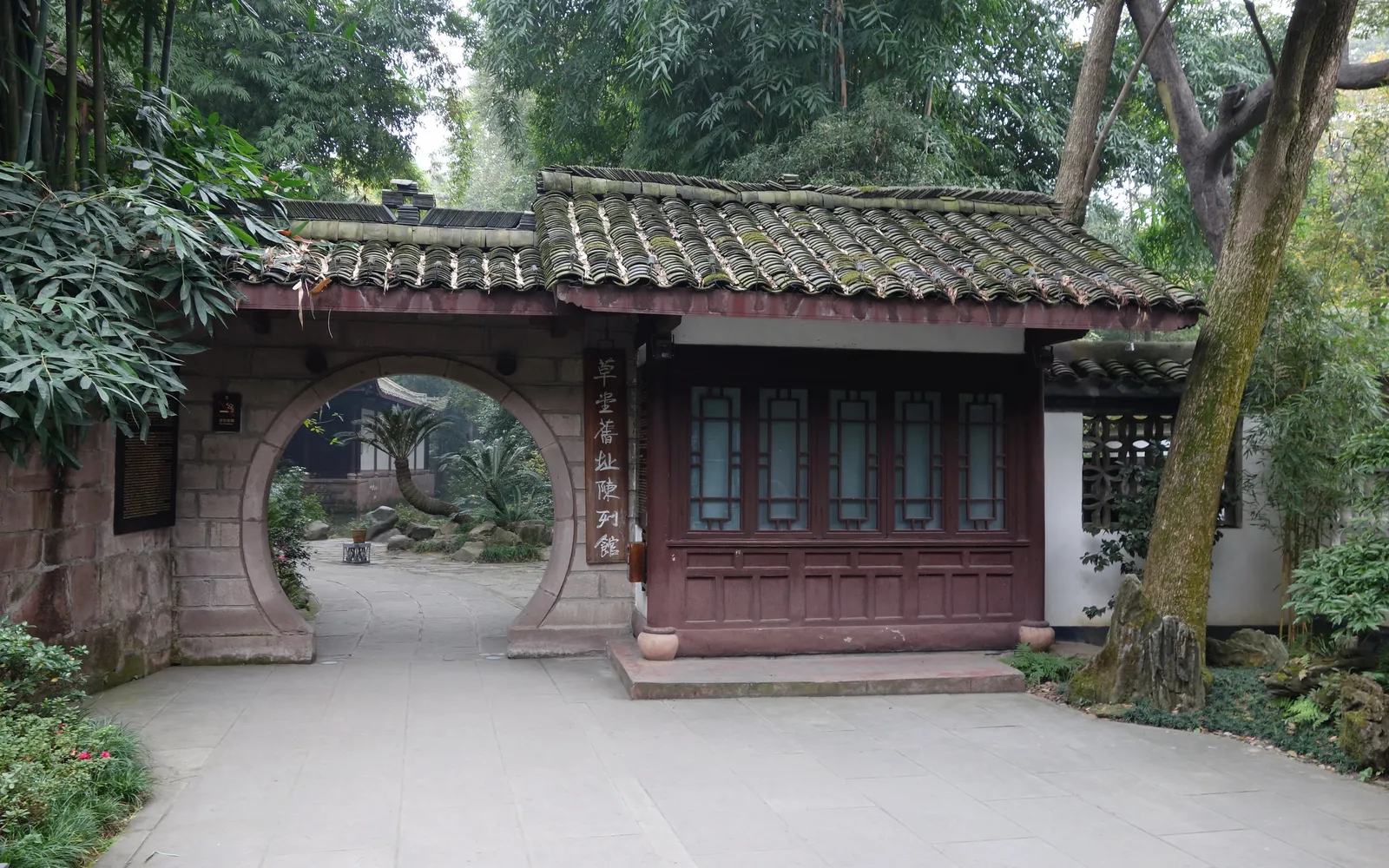
Where to see it in China
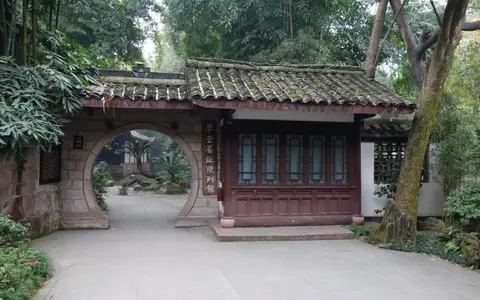 ChengduDu Fu Thatched Cottage 杜甫草堂A garden museum on the site where Du Fu lived in exile, with a rebuilt thatched hut.
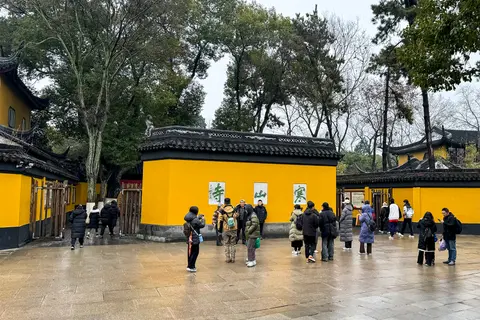 SuzhouHanshan Temple 寒山寺The temple by Maple Bridge whose midnight bell is known from Zhang Ji’s poem “A Night Mooring by Maple Bridge”.
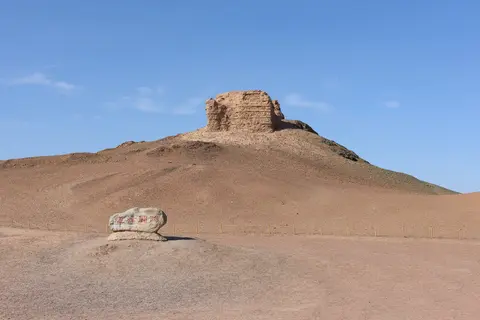 DunhuangYangguan Pass 阳关The Silk Road gate from Wang Wei’s farewell poem; today a beacon tower on a ridge and a small museum.
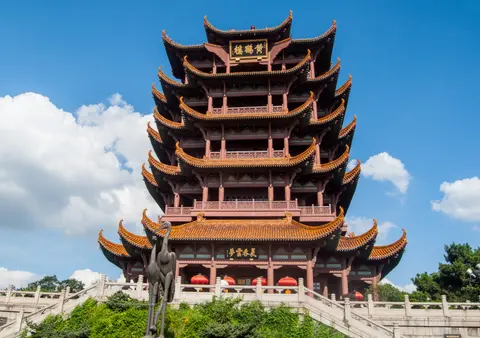 WuhanYellow Crane Tower 黄鹤楼A tower rebuilt in 1985 and known from poems by Cui Hao and Li Bai; one floor shows murals of the poets with their verses.
Where we mention it
Related entries
Sources
- Tang poetry, Wikipedia (en.wikipedia.org)
- Tang Dynasty, World History Encyclopedia (worldhistory.org)
- Yangguan, Wikipedia (en.wikipedia.org)
- Hanshan Temple, Wikipedia (en.wikipedia.org)