
Chinese landscape painting
山水画shānshuǐhuà
Shanshui, “mountain and water” painting: the ink tradition that began around the 5th century and made landscape a leading subject of Chinese art.
Chinese landscape painting is called shanshui, literally “mountain and water”. It began to develop around the 5th century and reached a high point under the Song, with masters such as the 11th-century painter Guo Xi. Painted mostly in ink with a brush, on silk or paper, these scrolls often show tiny people in vast scenery, and the style drew on Taoist imagery. Mountains themselves became subjects: Huangshan appears in many paintings, such as the ink views by Shitao. Old scrolls are fragile, so museums rotate them; check what is on before you travel for one famous work.
Also known as: shan shui · shanshui
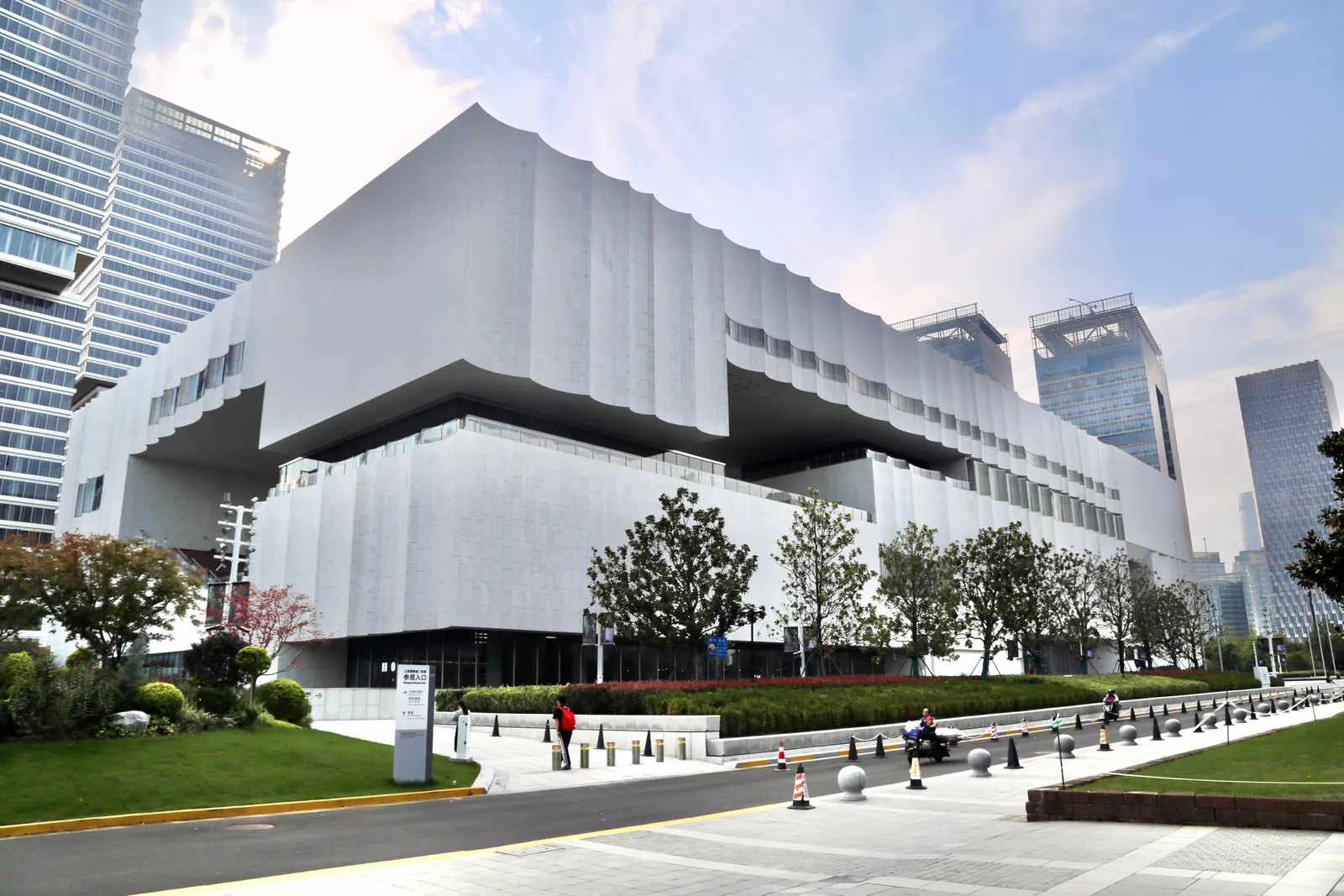
Where to see it in China
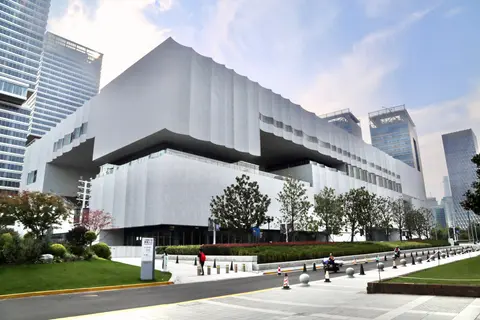 ShanghaiShanghai Museum East 上海博物馆东馆The museum’s painting and calligraphy gallery rotates its works; the display renewed in October 2026 has nearly 70 pieces.
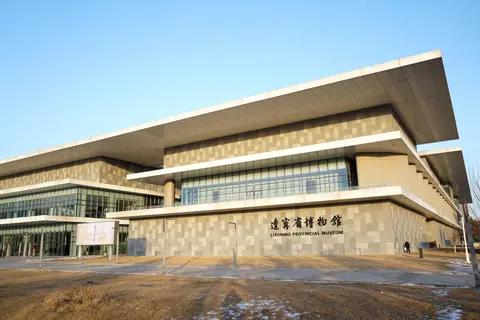 ShenyangLiaoning Provincial Museum 辽宁省博物馆Famous for ancient painting and calligraphy; the best-known works appear only in rotating special exhibitions.
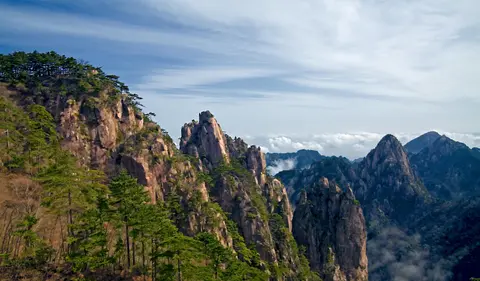 HuangshanMount Huangshan (Yellow Mountain) 黄山风景区Granite peaks, twisted pines and seas of cloud: the kind of scenery many painters of this tradition took as a subject.
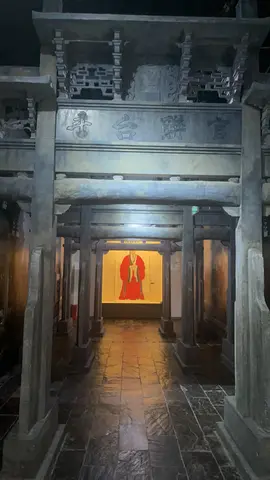 HuangshanChina Huizhou Culture Museum 安徽中国徽州文化博物馆The city museum covers local painting, including the Xin’an school, alongside Huizhou ink and inkstones.
Related entries
Sources
- Shan shui, Wikipedia (en.wikipedia.org)
- Song and Yuan Dynasty Painting and Calligraphy, Freer and Sackler Galleries, Smithsonian (archive.asia.si.edu)
- Mount Huang, Wikipedia (en.wikipedia.org)
- 一周展讯:上博古代书画上新, The Paper via Sina (2026-10-12) (finance.sina.cn)