
Arriving at Shanghai Pudong Airport (PVG): Maglev, metro (2026)
Pudong T1/T2 step by step: arrival card, 240-hour transit, SIM and cash, then Maglev (¥50, ¥40 with a ticket), Metro Line 2, buses, taxi and the link to Hongqiao.
Almost all long-haul international flights to Shanghai land at Pudong (PVG), in Terminal 1 or Terminal 2, far out on the east coast of the city. The fastest way in is the Maglev to Longyang Road (8 minutes, ¥50, or ¥40 with a same-day air ticket) and then the metro, about 45 minutes in total to People’s Square; the cheapest is Metro Line 2 all the way, about ¥7–8 and well over an hour. A taxi to the centre costs roughly ¥180–200.
Terminals: T1, T2 and the satellite halls
Pudong has two main terminals, T1 and T2, standing side by side and linked by a walkway. Check your ticket or airline app for yours. Many flights park at the two satellite halls (S1 next to T1, S2 next to T2). If you arrive at a satellite hall, follow the signs: a short airside train takes you to the main terminal for immigration and baggage. Allow 10–15 extra minutes for it.
The Maglev, Metro Line 2 and the Airport Link Line all leave from the transport hub between the two terminals. The Maglev and Airport Link station is called Pudong T1 & T2 (浦东1号2号航站楼站).
Immigration and customs
- Arrival card. Since 20 November 2025 you can fill in the foreigner arrival card online before you fly: on the National Immigration Administration (NIA) website, the “NIA 12367” app, or its mini-program in WeChat or Alipay. If you did not, scan the QR code in the hall, use one of the self-service machines, or fill in a paper card.
- Passport control. Queue at the counters for foreigners. If you are using 240-hour visa-free transit, look for the dedicated counter or sign, and have your onward ticket to a third country ready; see our 240-hour transit guide.
- Fingerprints. Most adult foreign visitors have their fingerprints and photo taken, sometimes at a machine before the counter. Children under 14 and travellers over 70 have generally been exempt, and so have people already recorded on an earlier trip. The rules may change; officers will tell you what to do.
- Baggage reclaim, then customs. Take the green channel if you have nothing to declare, the red one if you do. Foreign cash worth more than US$5,000, or more than ¥20,000 in Chinese cash, must be declared.
After customs: SIM cards, cash, Wi-Fi and luggage
- SIM cards. The airport lists Wi-Fi rental and phone card services in arrivals, and the big Chinese operators sell SIM cards at major airports. You need your passport. A Chinese SIM gives you a +86 number but filtered internet; a travel eSIM installed before you fly is simpler for most visitors, see our eSIM guide.
- Cash. The airport has bank counters, currency exchange and ATMs. Bank of China ATMs accept foreign Visa, Mastercard, American Express, JCB and UnionPay cards. Change only what you need for the first day; see cash, ATMs and cards.
- Alipay and WeChat Pay. Link your foreign card before you fly; see Alipay and WeChat Pay.
- Free Wi-Fi. Both terminals have free Wi-Fi. Chinese airport networks usually ask for a phone number and send a login code by SMS, so it helps if your home SIM can receive texts.
- Luggage storage is available in both terminals. Check prices at the counter.
Getting into the city
Maglev and metro
The Maglev runs from Pudong T1 & T2 station to Longyang Road (龙阳路) in about 8 minutes. Trains leave the airport from 07:02 to 21:42 (from Longyang Road 06:45–21:40). A single ticket costs ¥50, a round trip ¥80 (valid 7 days), VIP seats ¥100. Show a same-day flight ticket and you pay ¥40 (one discounted ticket per flight ticket). At Longyang Road change to Metro Line 2 (People’s Square, East Nanjing Road), 7, 16 or 18. The Maglev is separate from the metro: you buy a Maglev ticket and pay again for the metro.
Metro Line 2
Line 2 starts at Pudong International Airport station and runs straight through Lujiazui, East Nanjing Road and People’s Square to Hongqiao. It is the cheapest option, about ¥7–8 to the centre, but slow: allow 70–80 minutes. Some trains from the airport end at Guanglan Road (广兰路), where you change to the next train on the same line. You can pay with Alipay or WeChat ride codes, a single ticket, or by tapping a contactless foreign card at the gates; see using the metro in China. Check the last train in the station if you land late.
Airport buses
Airport buses suit late arrivals. The useful lines for visitors:
- Airport Line 4 to Shanghai Railway Station (north square), via Wujiaochang and Hongkou Football Stadium: 07:00–23:00, ¥2–28.
- Airport Line 7 to Shanghai South Railway Station: 07:30–23:00, ¥4–20.
- Night line (守航夜宵线) from 23:00 to 05:30, via Longyang Road, Century Avenue, Yan’an Road near People’s Square and Jing’an, ending at the Hongqiao hub: ¥18–34.
Times are a guide and depend on traffic.
Taxi and DiDi
Taxi ranks are outside arrivals: door 12 in T1, door 26 in T2, open 24 hours. Shanghai meters start at ¥14 for 3 km; long trips and night trips (23:00–05:00) cost more. To People’s Square expect roughly ¥180–200 and 45–60 minutes, more in traffic. DiDi works with foreign cards and has an English interface; follow the ride-hailing signs to the pickup area shown in the app. See how to use DiDi and taxis in China.
Connecting to a domestic flight or to Hongqiao
If your domestic flight leaves from Pudong, you clear immigration and customs first, collect your bags in most cases, and check them in again. Follow the transfer signs or ask your airline; give yourself at least 2–3 hours.
Many domestic flights leave from Hongqiao Airport (SHA), on the other side of the city. The Airport Link Line (机场联络线) connects Pudong T1 & T2 station with Hongqiao Terminal 2 in about 40 minutes. Trains run every 15 minutes, from Pudong 06:00–22:15; the full journey cost ¥26 at opening. Hongqiao Railway Station, for high-speed trains, is next to Hongqiao T2; for Hongqiao T1, take Metro Line 10 one stop. Metro Line 2 also links the two airports but takes about 1 hour 40 minutes. A taxi takes about an hour. Plan at least four hours between flights at different airports.
Leaving from Pudong
- Check-in closes 60 minutes before departure for international, Hong Kong, Macau and Taiwan flights (70 minutes for Ethiopian Airlines), and 40 minutes before domestic flights. Airlines can set their own times, so check with yours.
- Tax refund. If you bought goods with a tax refund form, go to the customs tax-refund counter in departures before you check in the bags containing them; see tax refunds for tourists.
- Power banks. Domestic flights do not accept power banks without the Chinese 3C mark; see domestic flights in China.
Show this to the driver
“Please take me to Shanghai Pudong International Airport, Terminal 2.” For Terminal 1, point to 1 号航站楼 instead. Check the airport’s official site before you fly, because times and fares may change.
Sources
- Shanghai Airport Authority: Maglev hours and fares at Pudong (shairport.com)
- Shanghai Airport Authority: Airport Link Line hours at Pudong and Hongqiao (shairport.com)
- Shanghai Airport Authority: Pudong airport bus lines (updated June 2026) (shanghaiairport.com)
- Shanghai Airport Authority: Pudong taxi ranks and Shanghai taxi fares (shairport.com)
- Shanghai Airport Authority: Pudong check-in closing times (shanghaiairport.com)
- Shanghai Airport Authority: Pudong rail transport (Metro Line 2) and power bank notice (shanghaiairport.com)
- National Immigration Administration: 10 measures incl. online arrival card (Announcement No. 4, 2025) (en.nia.gov.cn)
- National Immigration Administration: 240-hour visa-free transit policy (en.nia.gov.cn)
- China Daily / China Services Info: Shanghai Airport Link Line begins operations (fare ¥26 full journey) (chinaservicesinfo.com)
- China Daily Hongqiao: Airport Link Line extends service hours from 1 April 2026 (regional.chinadaily.com.cn)
- Shanghai Changning government on The Paper: Maglev fares and same-day air ticket discount (m.thepaper.cn)
Checked against these sources on 2026-10-28. Rules change often, so confirm on the official site before you go.
Ask about this page
Stuck on something? Ask here. Our team answers within 24 hours and emails you the answer.
Questions are public (your email is not). We check them before they appear.
Read next
More on Getting around
 How to book train tickets in China as a foreigner (2026)Register on 12306 with your passport, book up to 15 days ahead, board with your passport. Seat classes, Trip.com, refunds and changes.
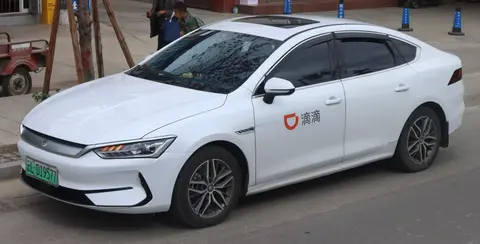 How to use DiDi in China as a foreigner (2026)DiDi app or DiDi inside Alipay, paying with a foreign card, showing your address in Chinese, airport pickups, safety features and Amap as an option.
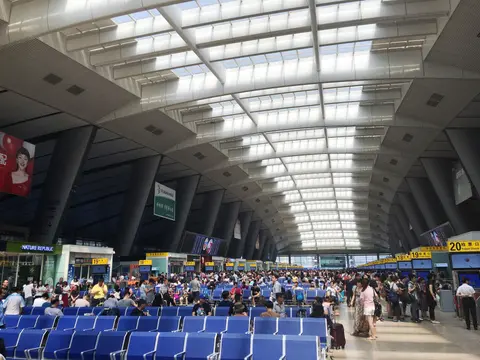
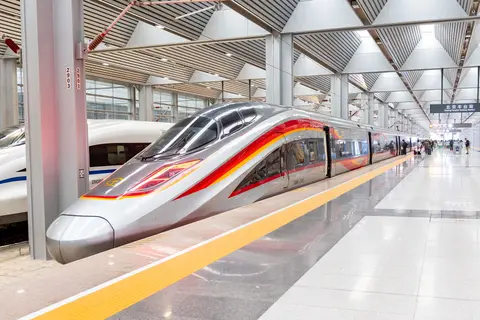 China high-speed train guide: stations, boarding and luggageG, D and C trains, which station you need, when to arrive, passport and security checks, luggage limits, food on board and typical journey times.