Best eSIM for China: what to check before you buy (2026)
How China travel eSIMs keep Google and WhatsApp working, what to compare (routing, data, hotspot), phone compatibility and why to install before you fly.
A travel eSIM is the simplest way to stay online in China and keep using Google, WhatsApp and Instagram. There is no single best one for everybody, and we do not rank providers. What matters is that the plan routes your data outside mainland China, fits how much data you use, and works with your phone.
How China eSIMs work
A travel eSIM is a digital SIM from a foreign or Hong Kong operator. In China it roams on a Chinese network, such as China Mobile or China Unicom, but your data is routed through servers outside the mainland. To the internet you look like a visitor from abroad, so blocked apps keep working without a VPN.
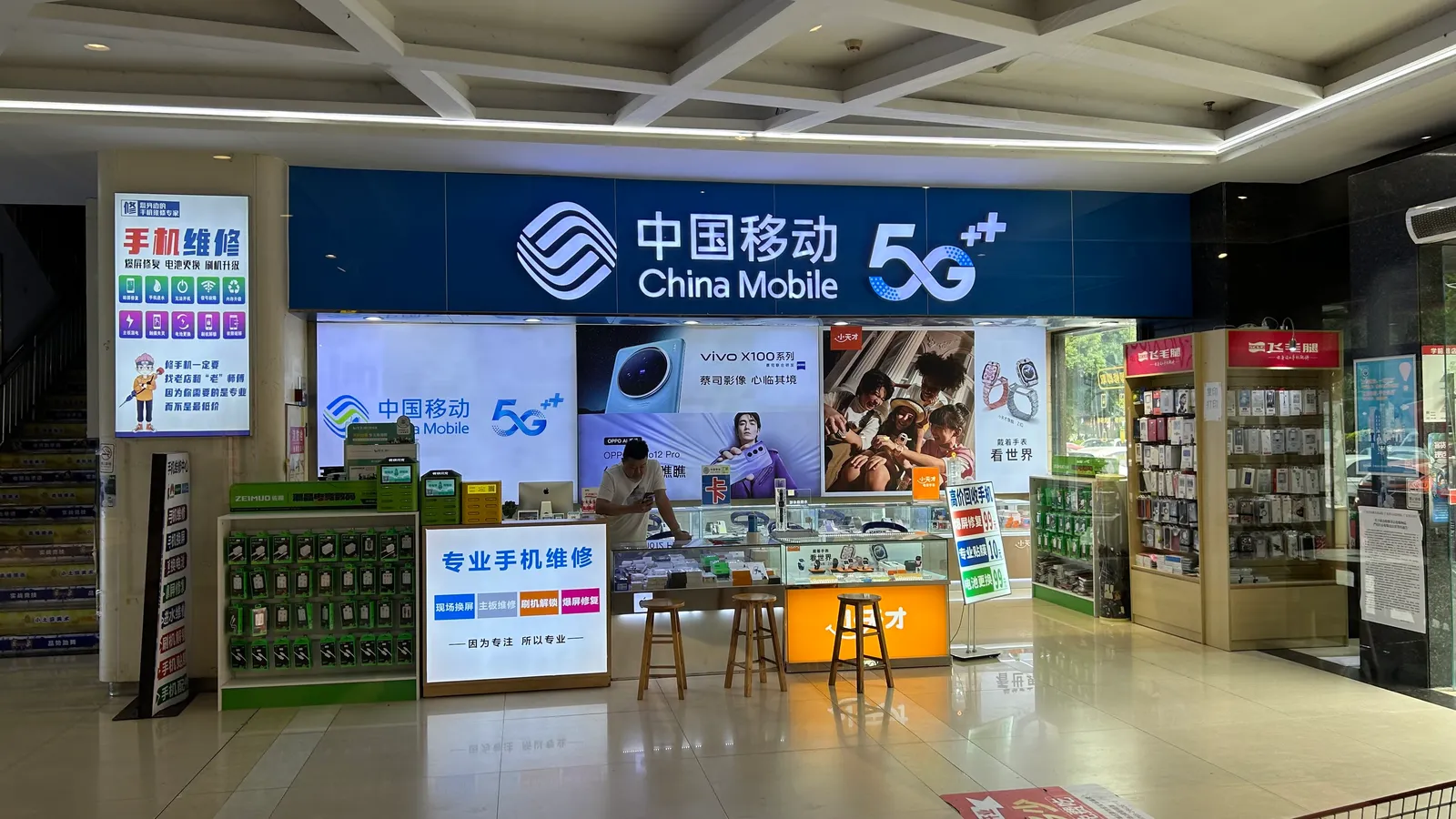
A Chinese SIM card works differently. You buy it at a China Mobile, China Unicom or China Telecom counter, including at airports, with your passport. It gives you a +86 number, but it is filtered like any Chinese connection, so Google and WhatsApp will not work on it.
What to compare
- Routing outside the mainland. The provider should say clearly that data for China goes through gateways outside mainland China, often in Hong Kong. Airalo, for example, says this on its help pages. If a plan does not say, ask before you buy.
- Data amount. Maps, messaging and translation use little data. Video calls, streaming and uploading videos use a lot. Unlimited plans usually have a fair-use limit and may slow down after heavy use; check the terms.
- Hotspot. If you want to share data with a laptop or travel partner, check the rules. Holafly, for example, allows sharing 1 GB a day on its China plan.
- When validity starts. Some plans start counting days when you install, others when you first connect in China.
- Phone number. Most travel eSIMs are data only, with no Chinese number. Keep your home SIM for text codes.
- Price. In September 2026, unlimited plans cost about US$26–28 for 7 days, US$49–51 for 15 days and US$69–78 for 30 days. Prices change often.
If you will also visit Hong Kong or Macao, a regional Asia plan that covers all three can be simpler than two separate eSIMs.
Is your phone compatible?
Your phone must support eSIM and be unlocked, meaning not tied to one carrier.
- Dial *#06#. If you see an EID number, your phone supports eSIM.
- Ask your carrier if you are not sure the phone is unlocked.
- Phones bought in mainland China, Hong Kong or Macao often have two physical SIM slots instead of eSIM. Apple says only a few of its latest models sold in mainland China support eSIM.
Install before you fly
- Buy the plan and install it at home, on stable Wi-Fi, by scanning the QR code or using the provider’s app.
- Give it a clear label, such as China data.
- When you land, switch the eSIM line on, turn on data roaming for it, choose it as your mobile data line and restart the phone. Some providers also ask you to set an APN; follow their instructions.
- Keep your home SIM on so it receives texts, but turn off its data roaming to avoid charges.
Remember that the eSIM only helps on mobile data. On hotel Wi-Fi, blocked apps stop working, so turn Wi-Fi off when you need them.
If you cannot use an eSIM
Use roaming on your home plan, buy a physical travel SIM before you go, or get a Chinese SIM at the airport for texts and local calls. With a dual-SIM phone you can combine a Chinese SIM for texts with an eSIM for data.
Read our guide to using Google and WhatsApp in China, and see the internet page for step-by-step settings.
Sources
- Apple: eSIM support by country and region (support.apple.com)
- Beijing government: purchasing SIM cards (english.beijing.gov.cn)
- Airalo: staying connected in China (help centre) (airalo.com)
- Airalo China eSIM (airalo.com)
- Holafly China eSIM (esim.holafly.com)
Checked against these sources on 2026-09-27. Rules change often, so confirm on the official site before you go.