
Tea Horse Road
茶马古道Chámǎ Gǔdào
The network of mule and porter trails linking tea-growing Yunnan and Sichuan with Tibet, where tea bricks were traded for horses.
The Tea Horse Road (Chamagudao) was not one road but a web of mountain trails, used by mule caravans and porters, that carried compressed tea from Yunnan and Sichuan up to Tibet. The trade of tea for horses goes back at least to the Song dynasty, when ponies were exchanged for tea bricks. The Yunnan branch ran from Pu’er through Dali, Lijiang and Shangri-La to Lhasa, while the Sichuan branch ran from Ya’an through Kangding. Towns on the way grew rich from the caravans: Shaxi, near Dali, still has Sideng Street, one of the best-preserved caravan market squares, and Shuhe near Lijiang and Dukezong in Shangri-La were also stops. Road transport replaced the caravans in the 20th century, but you can still ride or walk stretches of the old trail.
Also known as: Ancient Tea Horse Road · Chamagudao
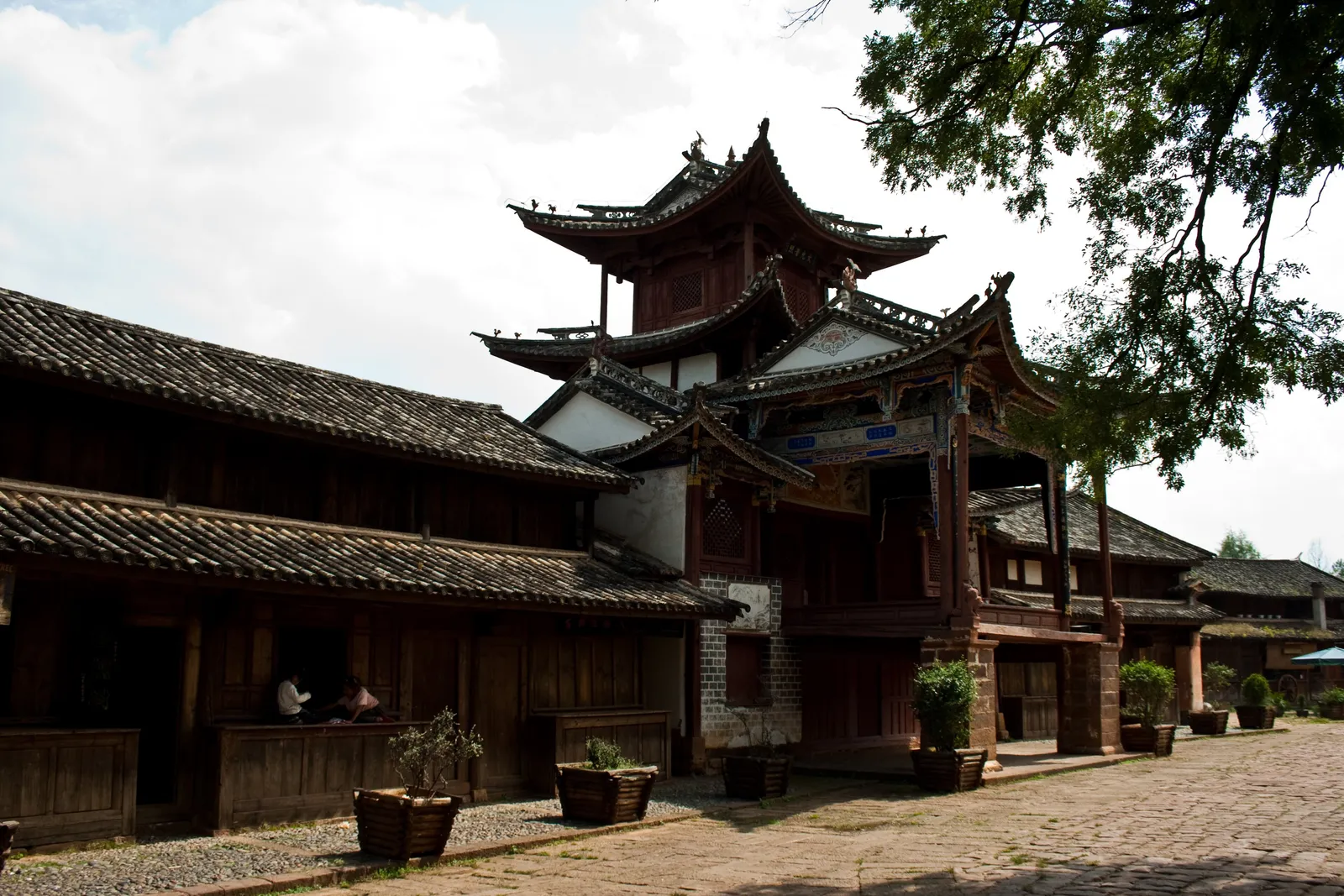
Where to see it in China
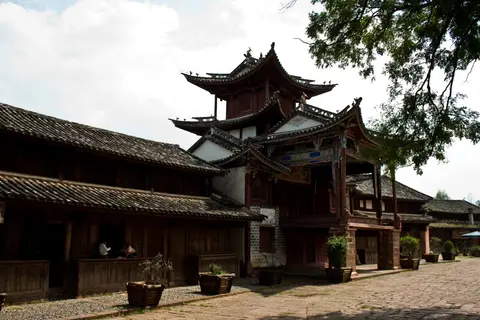 DaliShaxi Ancient Town 沙溪古镇(寺登街)A quiet Bai farming town on the old Tea Horse Road, whose Sideng Street is one of the best-preserved caravan market squares, with a Qing opera stage and the Ming-era Xingjiao Temple.
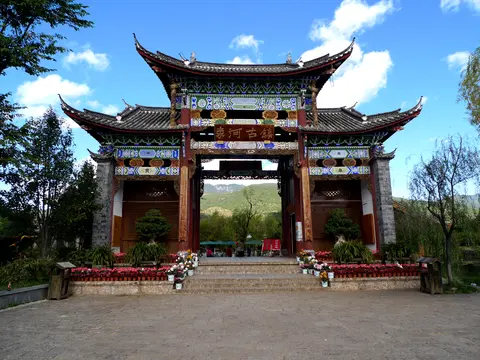 LijiangShuhe Old Town 束河古镇A smaller, calmer Naxi old town on the Tea Horse Road, 4 km north-west of Lijiang.
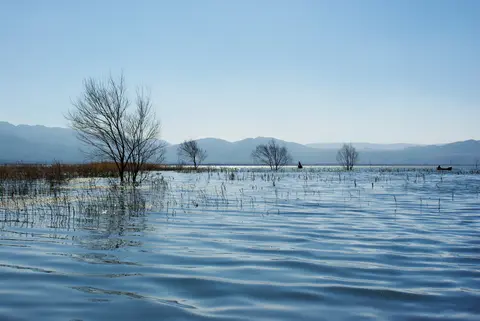 LijiangLashi Lake (Lashihai wetland) 拉市海湿地公园A highland lake and nature reserve 10 km west of town, known for winter birdlife, boat rides and horse treks on an old Tea Horse Road trail.
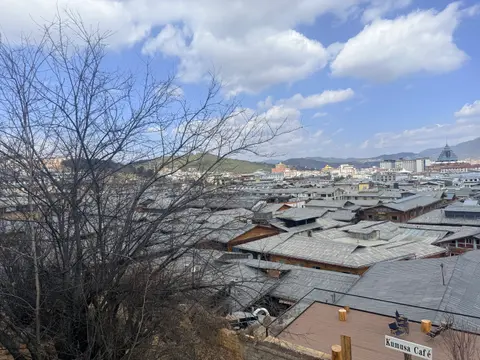 Shangri-LaDukezong Old Town 独克宗古城The old Tibetan town on the Tea Horse Road, with stone-paved lanes, timber houses and cafés around Sifang Square; much of it burned in 2014 and was rebuilt in traditional style.
Related entries
Sources
- Tea Horse Road — Wikipedia (en.wikipedia.org)
- 茶马古道 — 维基百科 (zh.wikipedia.org)