
Sui dynasty
隋朝Suícháo581–618
The short dynasty (581–618) that reunited China in 589 after centuries of division and linked its rivers into the Grand Canal.
Yang Jian, known as Emperor Wen, founded the Sui in 581 and reunited north and south China in 589. His son, Emperor Yang, began building Luoyang as an eastern capital in 605 and greatly expanded the canal network that linked the Yangtze and Yellow rivers, using forced labour. Failed wars against Goguryeo, heavy taxes and revolts followed, and Emperor Yang was killed at Jiangdu, today’s Yangzhou, in 618. The Tang took over that year and kept much of what the Sui had built. Later historians painted Emperor Yang as a tyrant, and some scholars think the picture is exaggerated. Little stands above ground today, so travellers meet the Sui through the canal, Luoyang’s reconstructed palace site and his tomb in Yangzhou.
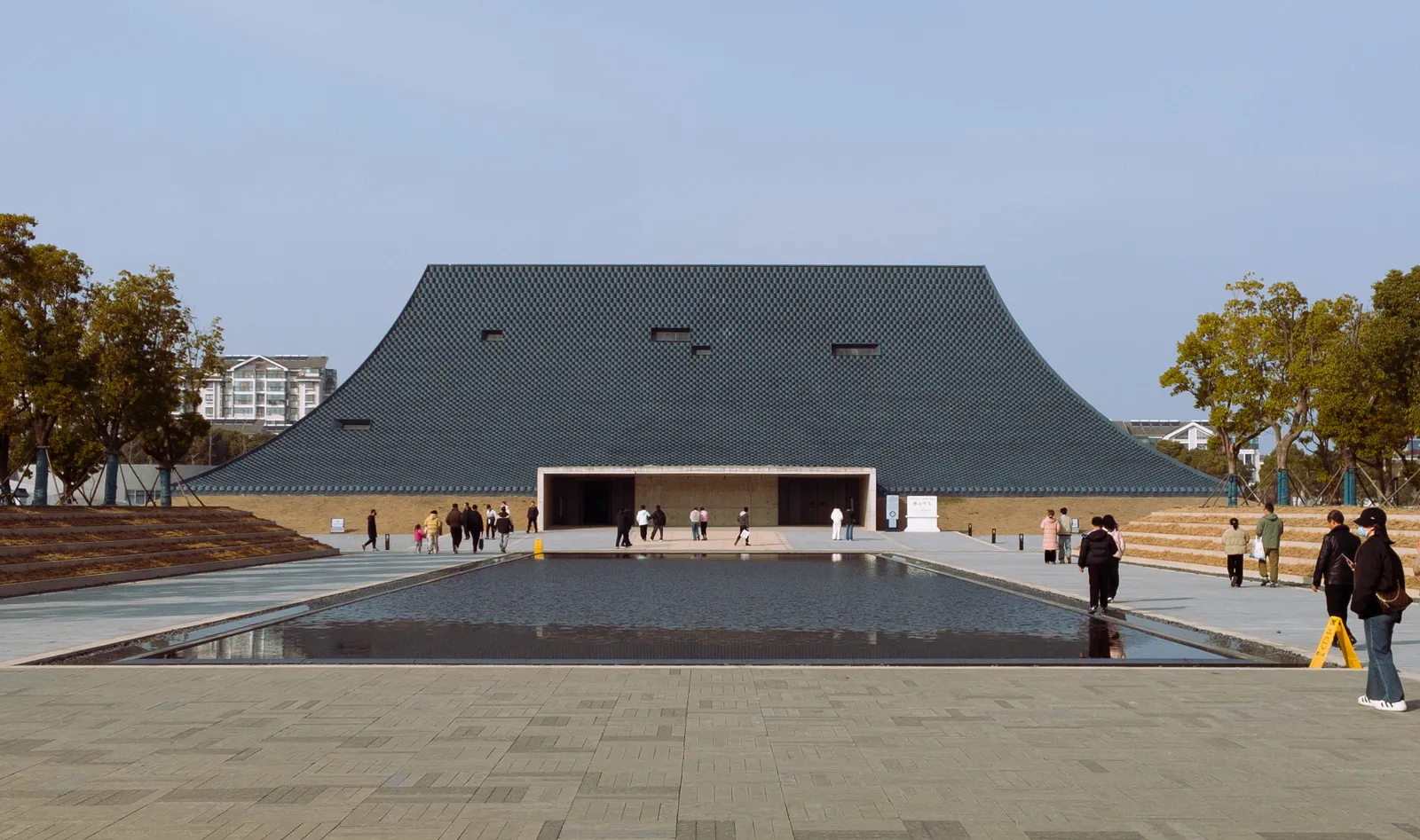
Where to see it in China
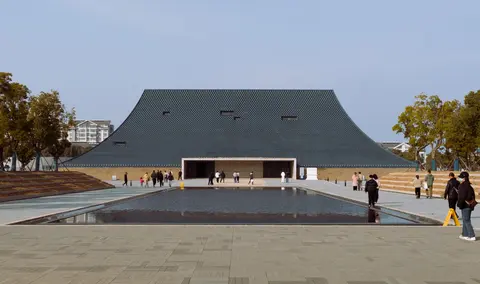 YangzhouTomb of Emperor Yang of Sui (Site Park) 隋炀帝陵遗址公园The tomb of Emperor Yang and Empress Xiao, found in 2012–2013. The museum shows the emperor’s epitaph tablet and a gold and jade belt.
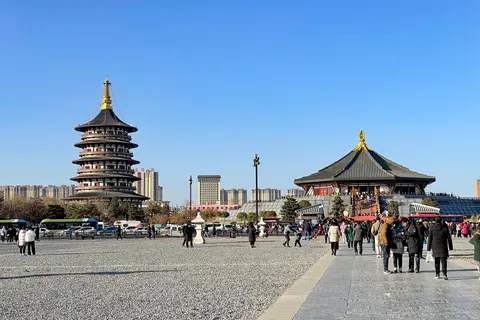 LuoyangSui–Tang Luoyang City: Mingtang, Tiantang and Yingtian Gate 隋唐洛阳城The eastern capital Emperor Yang began building in 605. What you see are grand modern reconstructions over later Tang palace ruins.
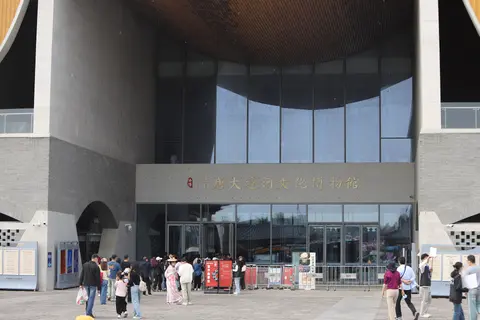 LuoyangSui–Tang Grand Canal Museum 隋唐大运河文化博物馆A large new museum on the canal that made Luoyang its hub, with boat models and excavated finds.
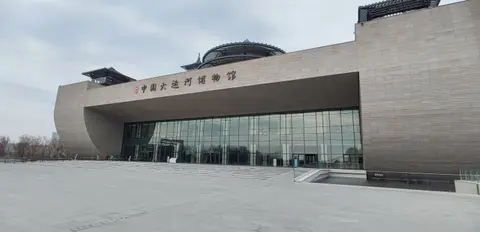 YangzhouChina Grand Canal Museum 扬州中国大运河博物馆A large modern museum on the whole Grand Canal, in the city where Emperor Yang died.
Where we mention it
Related entries
Sources
- Sui dynasty: Wikipedia (en.wikipedia.org)
- Sui Dynasty: World History Encyclopedia (worldhistory.org)
- Emperor Yang of Sui: Wikipedia (en.wikipedia.org)